Nutrition plays a central role in managing type 2 diabetes. The foods you eat, the amount you eat, and the timing of your meals can all influence blood glucose levels. A well-planned eating pattern can help people with type 2 diabetes keep blood glucose closer to their target range while also supporting healthy blood pressure, cholesterol levels, body weight, heart health, and overall well-being.
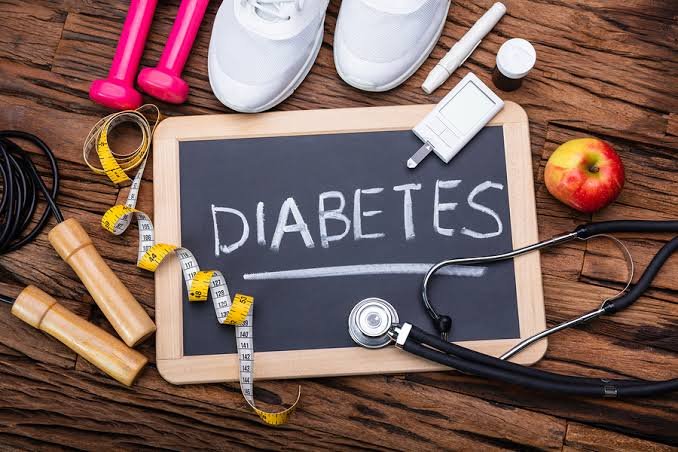
However, eating for type 2 diabetes does not mean that you have to eliminate every food you enjoy. Modern diabetes nutrition focuses less on strict food lists and more on choosing nutrient-dense foods, controlling portions, managing carbohydrate intake, increasing fiber-rich foods, and developing an eating pattern that fits an individual’s health needs, culture, preferences, lifestyle, and medications.
Table of Contents
The American Diabetes Association emphasizes that there is no single eating pattern that works perfectly for everyone with diabetes. Instead, nutrition plans should be individualized according to a person’s preferences, nutritional needs, metabolic goals, medications, and overall health.
What Is Type 2 Diabetes?
Type 2 diabetes is a chronic metabolic condition in which the body does not use insulin effectively and, over time, may also fail to produce enough insulin to maintain normal blood glucose levels.
Insulin is a hormone that helps glucose move from the bloodstream into cells, where it can be used for energy. When insulin resistance develops, the body’s cells respond less effectively to insulin. As a result, glucose can remain in the bloodstream instead of moving efficiently into cells.
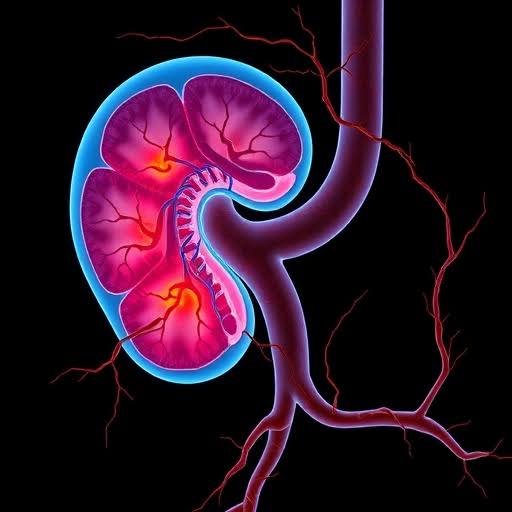
Persistently elevated blood glucose can damage blood vessels and nerves and increase the risk of complications involving the heart, kidneys, eyes, and nervous system.
Managing type 2 diabetes therefore involves more than simply avoiding sugar. Nutrition, physical activity, medication when prescribed, sleep, weight management, blood glucose monitoring when recommended, and regular medical care can all contribute to diabetes management.

Why Nutrition Matters in Type 2 Diabetes
Food provides the energy and nutrients the body needs, but different foods affect blood glucose in different ways. Carbohydrates are particularly important because they are broken down into glucose and generally have a greater immediate effect on blood glucose than protein or fat.
However, the amount and type of carbohydrate matter. A serving of sugary beverage may raise blood glucose more rapidly than a similar carbohydrate amount from a fiber-rich whole food. Eating carbohydrates together with protein, fat, and fiber can also affect how quickly glucose enters the bloodstream.
A healthy eating pattern can help:
- Improve blood glucose management.
- Support healthy body weight.
- Reduce excessive calorie intake.
- Increase fiber and micronutrient intake.
- Support cardiovascular health.
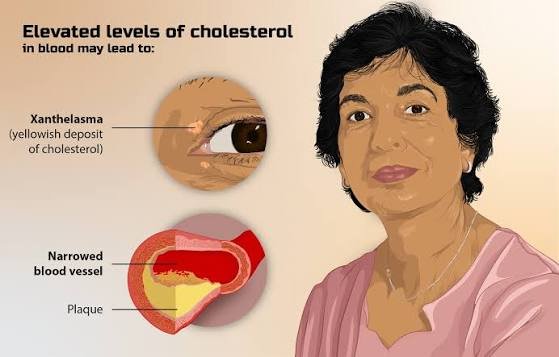
- Improve blood pressure and cholesterol management.
- Reduce reliance on highly processed foods.
- Make meals more balanced and satisfying.
The Centers for Disease Control and Prevention recommends focusing on healthy foods in appropriate amounts and at appropriate times as part of diabetes management.

There Is No Single Perfect Diabetes Diet
One of the most important concepts in diabetes nutrition is that there is no universal diet that every person with type 2 diabetes must follow.
Some people may thrive on a Mediterranean-style eating pattern, while others may prefer a plant-based, DASH-style, or lower-carbohydrate approach. The important consideration is whether the eating pattern provides adequate nutrition and helps the person achieve their blood glucose, weight, cardiovascular, and other health goals.
The American Diabetes Association’s 2026 Standards of Care emphasizes individualized nutrition therapy rather than a fixed percentage of calories that must come from carbohydrates, protein, or fat.
This means a diabetes-friendly diet can be adapted to different cultures and food traditions. Someone living in East Africa, for example, does not necessarily need to replace traditional foods with unfamiliar Western foods. Instead, traditional meals can often be modified through portion control, preparation methods, vegetable intake, protein choices, and carbohydrate balance.
Understanding Carbohydrates and Blood Glucose
Carbohydrates are one of the three major macronutrients, along with protein and fat. They are found in foods such as grains, fruits, vegetables, legumes, milk, yogurt, sweets, sugary beverages, and many processed foods.
When carbohydrates are digested, much of the carbohydrate is converted into glucose. This glucose enters the bloodstream and can increase blood glucose levels.
However, carbohydrates are not automatically unhealthy for someone with diabetes. Fruits, beans, lentils, whole grains, and many other carbohydrate-containing foods provide important nutrients and can be part of a healthy diabetes eating pattern.
The goal is generally to manage the type, amount, and distribution of carbohydrates rather than assuming that all carbohydrates must be eliminated.
Simple Carbohydrates vs. Complex Carbohydrates
Carbohydrates can broadly be divided into sugars, starches, and fiber.
Sugars
Sugars include naturally occurring sugars in foods such as fruit and milk as well as added sugars found in soft drinks, sweets, cakes, cookies, sweetened cereals, and many packaged foods.
Foods and drinks containing large amounts of added sugar can provide substantial carbohydrate and calories without supplying much fiber or nutritional value.
Starches
Starches are found in foods such as rice, maize, potatoes, bread, pasta, oats, wheat products, peas, beans, and lentils.
Starchy foods can be nutritious, particularly when they are minimally processed and rich in fiber. However, portion size remains important because large quantities can provide substantial amounts of carbohydrate.
Fiber
Fiber is a type of carbohydrate that the body does not fully digest. It is found primarily in plant foods.
Fiber-rich foods include vegetables, fruits, legumes, whole grains, nuts, and seeds. Increasing fiber intake can make meals more filling and is generally encouraged as part of a healthy eating pattern.
The Diabetes Plate Method
The plate method is one of the simplest ways to create a balanced meal without having to calculate every gram of carbohydrate.
A commonly recommended approach is to divide a standard plate into three sections:
- Half the plate: non-starchy vegetables.
- One-quarter of the plate: lean protein.
- One-quarter of the plate: carbohydrate-containing foods.
Water or another unsweetened beverage can accompany the meal.
Examples of Non-Starchy Vegetables
- Spinach
- Cabbage
- Broccoli
- Cauliflower
- Green beans
- Tomatoes
- Cucumber
- Eggplant
- Bell peppers
- Carrots
- Lettuce
- Okra
Examples of Protein Foods
- Fish
- Chicken
- Eggs
- Beans
- Lentils
- Tofu
- Lean meat
- Unsweetened dairy products
Examples of Carbohydrate Foods
- Brown rice
- Whole-grain bread
- Oats
- Whole-grain pasta
- Potatoes
- Sweet potatoes
- Maize
- Beans and lentils
- Fruit
- Plain milk or yogurt
The plate method can be particularly useful for people who find detailed carbohydrate counting difficult.
Foods to Eat More Often
A healthy type 2 diabetes diet should emphasize nutrient-dense foods rather than focusing exclusively on individual nutrients.
Non-Starchy Vegetables
Vegetables should form a major part of many meals. They provide vitamins, minerals, fiber, water, and numerous plant compounds.
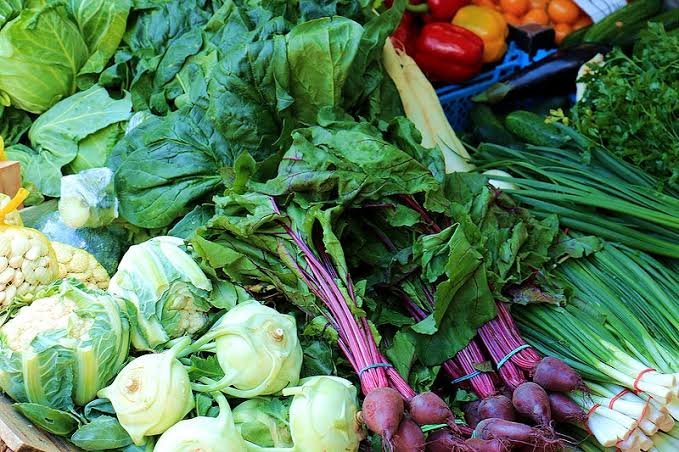
Try to include different colors and varieties throughout the week. Leafy greens, cabbage, tomatoes, peppers, broccoli, cauliflower, carrots, eggplant, and green beans can all contribute to a balanced diet.
Whole Fruits
People with type 2 diabetes generally do not need to eliminate fruit. Whole fruit provides carbohydrates along with fiber, vitamins, minerals, and other beneficial compounds.
Examples include apples, oranges, berries, pears, guavas, peaches, and other whole fruits.
Whole fruit is generally preferable to fruit juice because juice can deliver a large amount of carbohydrate without the same amount of intact fiber and can be consumed very quickly.
Beans and Legumes
Beans, lentils, peas, and other legumes can be valuable foods for people managing type 2 diabetes. They provide carbohydrates as well as plant protein and fiber.
Examples include kidney beans, black beans, chickpeas, lentils, cowpeas, and other locally available legumes.
Whole Grains
Whole grains retain more of the grain’s natural structure and nutrients than highly refined grains.
Examples include oats, whole-grain bread, brown rice, whole-grain pasta, and other minimally processed whole-grain foods.
Portion size still matters because whole grains contain carbohydrates and can raise blood glucose.
Lean Protein
Protein can make meals more satisfying and is important for maintaining muscle and other body tissues.
Good choices can include fish, skinless poultry, eggs, beans, lentils, tofu, and lean cuts of meat.
Fish can be especially useful as part of a heart-healthy eating pattern.
Nuts and Seeds
Nuts and seeds provide protein, unsaturated fats, minerals, and other nutrients. Examples include peanuts, almonds, walnuts, sunflower seeds, pumpkin seeds, and sesame seeds.
Because nuts and seeds are energy-dense, portion sizes are still important.
Healthy Fats
Unsaturated fats can be incorporated into a balanced eating pattern. Sources include nuts, seeds, avocado, olive oil, and many types of fish.
Replacing foods high in saturated fat with foods containing unsaturated fats can be beneficial for cardiovascular health.
Foods and Drinks to Limit
There is no need to think of every food as completely forbidden. However, certain foods and drinks should generally be limited because they can provide large amounts of added sugar, refined carbohydrates, saturated fat, sodium, or calories.
Sugary Drinks
Soda, sweetened juices, energy drinks, sweetened teas, flavored coffees, and other sugar-sweetened beverages can deliver substantial amounts of sugar quickly.
Water is usually a better everyday beverage choice. Unsweetened tea, unsweetened coffee, and other beverages without added sugar can also fit into a healthy eating pattern.
Refined Grains
White bread, many refined breakfast cereals, refined pasta, and white rice can be eaten in moderation, but replacing some refined grains with higher-fiber alternatives can improve the overall nutritional quality of meals.
Sweets and Desserts
Cakes, cookies, candy, pastries, and other desserts can contain significant amounts of added sugar and calories.
They do not necessarily have to disappear completely from a person’s diet. Smaller portions and less frequent consumption can make it easier to maintain an overall healthy eating pattern.
Highly Processed Foods
Many highly processed foods are energy-dense and can contain combinations of refined carbohydrates, added sugars, sodium, saturated fat, and other ingredients.
Reducing reliance on these foods and emphasizing minimally processed or whole foods can improve overall diet quality.
Why Portion Size Matters
Even nutritious foods can contribute significant amounts of calories or carbohydrates when consumed in very large quantities.
Portion control is therefore an important component of type 2 diabetes nutrition.
For example, a large serving of brown rice may still contain a substantial amount of carbohydrate even though brown rice is a nutritious food. Similarly, eating several pieces of fruit at once can provide more carbohydrate than a smaller serving.
The goal is not necessarily to eat tiny portions but to create balanced meals that provide appropriate amounts of carbohydrates, protein, vegetables, and healthy fats.
Carbohydrate Counting for Type 2 Diabetes
Carbohydrate counting involves keeping track of the amount of carbohydrate consumed in meals and snacks.
It can be particularly useful for people taking insulin or certain diabetes medications, although not everyone with type 2 diabetes needs to count carbohydrates.
Carbohydrates are listed in grams on many packaged-food nutrition labels. A diabetes educator or registered dietitian can help determine an appropriate carbohydrate target based on individual needs.
Instead of simply asking, “Is this food high in carbohydrates?” it can be more useful to ask:
- How much carbohydrate is in the portion?
- Is the carbohydrate coming with fiber?
- What other foods am I eating with it?
- How large is the overall meal?
- How does my blood glucose respond to this meal?
Fiber and Type 2 Diabetes
Fiber-rich foods can be an important part of a diabetes-friendly eating pattern.
Vegetables, legumes, whole grains, fruits, nuts, and seeds can increase fiber intake while also providing vitamins, minerals, and other beneficial nutrients.
Instead of relying heavily on refined carbohydrates, try building meals around vegetables, legumes, whole grains, and other minimally processed foods.
If your usual diet is low in fiber, increase fiber gradually and drink enough fluids to help your digestive system adapt.
Protein and Blood Glucose Management
Protein is important for maintaining muscle, supporting tissue repair, and contributing to satiety.
Good protein choices include fish, eggs, poultry, beans, lentils, tofu, nuts, seeds, and appropriate dairy or dairy alternatives.
However, protein foods are not automatically healthy simply because they contain protein. Highly processed meats may contain substantial amounts of sodium and saturated fat, so the overall quality of the protein source matters.
Healthy Fats and Heart Health
People with type 2 diabetes often need to pay attention to cardiovascular health as well as blood glucose.
Choosing more unsaturated fats and reducing excessive intake of saturated fats can help create a more heart-conscious eating pattern.
Useful sources of unsaturated fats include:
- Avocado
- Nuts
- Seeds
- Olive oil
- Some vegetable oils
- Fatty fish
Meal Timing and Type 2 Diabetes
When to eat can matter, particularly for people taking medications that can cause low blood glucose.
Some people benefit from regular, balanced meals rather than frequently skipping meals and then eating very large portions later.
However, there is no universal schedule that works for everyone. Meal timing should take into account medications, physical activity, work schedule, sleep patterns, personal preferences, and other medical conditions.
People taking insulin or medications that can cause hypoglycemia should speak with their healthcare professional before making major changes to meal timing.
Breakfast Ideas for Type 2 Diabetes
A balanced breakfast can contain protein, fiber-rich carbohydrates, and healthy fats.
Examples include:
- Oatmeal with nuts and a small serving of whole fruit.
- Plain yogurt with berries and seeds.
- Eggs with vegetables and a small portion of whole-grain bread.
- Beans with vegetables and a modest portion of whole-grain or minimally processed starch.
- Unsweetened porridge with seeds and a small serving of fruit.
Large amounts of sugar, syrup, sweetened cereals, pastries, and sugary drinks can make breakfast much higher in added sugar and refined carbohydrates.
Lunch Ideas for Type 2 Diabetes
Lunch can follow the plate method.
For example, a plate might contain:
- Half vegetables such as cabbage, spinach, tomatoes, cucumber, or green beans.
- One-quarter grilled fish, chicken, beans, or another lean protein.
- One-quarter brown rice, whole grains, potatoes, sweet potatoes, or another carbohydrate source.
Water or an unsweetened beverage can accompany the meal.
Dinner Ideas for Type 2 Diabetes
Dinner does not need to be complicated.
Examples include grilled fish with vegetables and a small serving of whole grains, chicken with mixed vegetables and beans, or a vegetable and lentil stew served with an appropriate portion of a carbohydrate-rich food.
The key is to consider the overall balance of the meal rather than focusing on eliminating one particular ingredient.
Healthy Snack Ideas
Not everyone with type 2 diabetes needs snacks between meals. However, snacks may be useful for some people depending on hunger, activity levels, medications, and meal timing.
Potential choices include:
- A small serving of nuts.
- Plain unsweetened yogurt.
- A small piece of whole fruit.
- Vegetable sticks with a protein-rich dip.
- A boiled egg.
- A small serving of beans or another protein-rich food.
What Should You Drink?
Drinks can make a surprisingly large contribution to sugar and calorie intake.
Water is an excellent everyday choice. Other options may include unsweetened tea, unsweetened coffee, sparkling water without added sugar, or other low- or no-sugar beverages.
Sweetened beverages should generally be limited because they can provide significant amounts of rapidly available carbohydrate.
Should People With Type 2 Diabetes Stop Eating Fruit?
No. Whole fruit can be part of a healthy diabetes meal plan.
Fruit contains carbohydrates, so portion size can matter, but fruit also provides fiber, vitamins, minerals, and other beneficial compounds.
The important distinction is often between whole fruit and fruit drinks. Whole fruit requires chewing and retains its natural fiber structure, while juice can be consumed quickly and may provide a concentrated amount of carbohydrate.
Can People With Type 2 Diabetes Eat Rice?
Rice can be included in a diabetes-friendly diet. The amount and type of rice matter, as does what is eaten with it.
Rather than filling most of the plate with rice, consider using the plate method: approximately one-quarter of the plate can contain the carbohydrate portion while vegetables occupy approximately half.
Higher-fiber varieties such as brown rice can be useful, but portion control remains important because brown rice still contains carbohydrate.
Can People With Type 2 Diabetes Eat Potatoes?
Potatoes contain starch and can raise blood glucose, but they do not necessarily have to be eliminated.
Consider portion size and preparation method. Boiled, baked, or steamed potatoes can be incorporated into balanced meals, particularly when paired with vegetables and protein.
Large servings of fried potatoes or heavily processed potato products can add substantial calories and fat and may be less suitable as everyday foods.
Can People With Type 2 Diabetes Eat Bread?
Yes. Bread can fit into a diabetes meal plan, but the type and portion matter.
Whole-grain or higher-fiber breads may provide more fiber and nutrients than highly refined white bread. Reading the nutrition label can help you compare carbohydrate, fiber, added sugar, sodium, and serving size.
What About Sugar?
People with type 2 diabetes do not necessarily have to avoid every gram of sugar. The bigger picture is the overall quality and quantity of carbohydrate in the diet.
Foods high in added sugar, especially sugary drinks and large portions of sweets, can make blood glucose management more difficult because they can provide substantial amounts of rapidly available carbohydrate and calories.
Reducing added sugars while emphasizing nutrient-dense foods is generally a more sustainable strategy than trying to eliminate every naturally occurring sugar-containing food.
Weight Management and Type 2 Diabetes
For people with type 2 diabetes who have overweight or obesity, weight management can be an important part of treatment.
The ADA’s 2026 Standards of Care recommends individualized nutrition, physical activity, and behavioral interventions for people with type 2 diabetes and overweight or obesity. Structured interventions that produce meaningful weight loss can improve metabolic health in appropriate individuals.
However, weight loss should not be approached through extreme dieting or severe food restriction without appropriate medical guidance.
A sustainable eating pattern should provide sufficient nutrients while creating an appropriate energy balance for the individual’s goals.
Physical Activity and Nutrition
Nutrition and physical activity work together in diabetes management.
Physical activity can affect blood glucose levels and insulin sensitivity. However, people taking insulin or certain glucose-lowering medications may need to consider the risk of hypoglycemia when changing their exercise routine or meal timing.
For this reason, major changes to diet or physical activity should be discussed with a healthcare professional when medication-related low blood glucose is a possibility.
Reading Food Labels With Type 2 Diabetes
Nutrition labels can make it easier to compare foods.
Important information includes:
- Serving size.
- Total carbohydrate.
- Dietary fiber.
- Added sugars.
- Protein.
- Saturated fat.
- Sodium.
- Total calories.
Do not assume that a food marketed as “diabetes-friendly,” “low sugar,” or “natural” is automatically healthier. The nutrition facts and ingredient list provide more useful information than marketing claims alone.
Healthy Cooking Methods for Type 2 Diabetes
How food is prepared can influence its nutritional profile.
Useful cooking methods include:
- Steaming
- Boiling
- Grilling
- Baking
- Roasting
- Stir-frying with modest amounts of oil
- Stewing
Reducing excessive frying, added salt, butter, and high-fat sauces can improve the overall nutritional quality of many meals.
Building a Simple Diabetes-Friendly Meal
A simple approach is to build every major meal around four components:
- Vegetables: make them the largest part of the plate.
- Protein: include fish, poultry, eggs, legumes, tofu, or another appropriate protein source.
- Carbohydrate: choose an appropriate portion of whole grains, starchy vegetables, fruit, or another carbohydrate-containing food.
- Healthy fat: use modest amounts of foods such as nuts, seeds, avocado, or unsaturated oils.
This framework can be adapted to many cuisines and budgets.
A Sample One-Day Type 2 Diabetes Meal Plan
| Meal | Example |
|---|---|
| Breakfast | Oatmeal with nuts, seeds, and a small serving of whole fruit; unsweetened tea or coffee. |
| Lunch | Large serving of mixed vegetables with grilled fish or beans and a moderate serving of brown rice. |
| Snack | Plain unsweetened yogurt or a small serving of nuts. |
| Dinner | Chicken, fish, tofu, or legumes with plenty of vegetables and a moderate portion of potatoes, sweet potatoes, or whole grains. |
| Drinks | Water and other unsweetened beverages. |
This is only an example and should not be treated as a personalized medical meal plan. Individual carbohydrate, calorie, protein, sodium, potassium, and other nutritional needs can vary considerably.
Common Nutrition Mistakes in Type 2 Diabetes
1. Eliminating All Carbohydrates
Carbohydrates are found in many nutritious foods, including fruits, legumes, whole grains, and some dairy products. Completely eliminating carbohydrates may unnecessarily restrict dietary variety and important nutrients.
2. Drinking Large Amounts of Juice
Fruit juice can contain substantial amounts of carbohydrate and can be consumed much faster than whole fruit.
3. Ignoring Portion Sizes
A food can be nutritious while still contributing a large amount of carbohydrate or calories when eaten in excessive quantities.
4. Focusing Only on Sugar
Blood glucose management is not simply about avoiding table sugar. Total carbohydrate, food quality, portion size, physical activity, medications, and overall dietary patterns also matter.
5. Skipping Meals Without Considering Medication
Some diabetes medications can cause blood glucose to fall too low if meals are skipped or delayed. Meal timing should therefore be considered alongside medication use.
6. Relying on “Diabetic” Foods
Foods marketed specifically for people with diabetes are not automatically healthier. Examine the complete nutrition label rather than relying on marketing claims.
How to Make a Diabetes Diet More Affordable
Healthy eating does not have to depend on expensive specialty foods.
Affordable foods can include beans, lentils, seasonal vegetables, whole grains, eggs, locally available fish, and fresh or frozen vegetables.
Planning meals before shopping can reduce food waste and help prevent impulse purchases of highly processed foods.
Buying seasonal produce, cooking at home, using legumes as an affordable protein source, and preparing larger batches of healthy meals can also help reduce costs.
Diabetes Nutrition and Cultural Foods
A successful eating pattern should fit the person’s culture and lifestyle.
There is no requirement to abandon traditional foods simply because someone has type 2 diabetes. Instead, traditional meals can often be modified.
For example, a meal can contain a larger proportion of vegetables, an appropriate portion of a carbohydrate-rich staple, and a suitable protein source. Cooking methods can also be changed to reduce excessive amounts of added fat or salt.
This approach is often more sustainable than following an unfamiliar diet that cannot realistically be maintained.
Should You Count Calories?
Calorie needs differ from person to person. Some individuals may benefit from monitoring calorie intake, especially when weight loss is part of their treatment plan, while others may benefit more from portion control and improving food quality.
There is no single calorie target that applies to every person with type 2 diabetes.
A registered dietitian or other qualified healthcare professional can help establish an appropriate nutrition plan based on body size, activity level, medical conditions, medications, nutritional needs, and goals.
Dietary Supplements and Type 2 Diabetes
Supplements are sometimes promoted as natural treatments for diabetes. However, there is not enough evidence to assume that a particular vitamin, mineral, herb, or supplement can replace appropriate diabetes treatment.
Some supplements can also interact with medications or cause unwanted effects.
People with type 2 diabetes should discuss supplements with their healthcare professional before using them regularly.
When to Work With a Dietitian
A registered dietitian nutritionist experienced in diabetes care can help create an individualized meal plan.
Professional nutrition support can be particularly useful when someone has difficulty controlling blood glucose, needs to lose weight, has kidney disease, high blood pressure, high cholesterol, digestive problems, food allergies, or other medical conditions.
The ADA’s 2026 Standards of Care recommends individualized medical nutrition therapy for people with diabetes.
Monitoring How Food Affects Blood Glucose
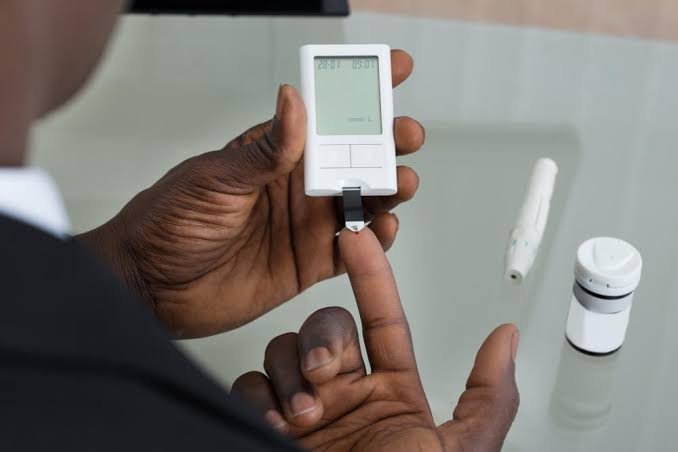
People who monitor their blood glucose can sometimes learn how different meals affect them.
For example, a person may notice that a large serving of refined carbohydrates produces a larger glucose rise than a smaller serving paired with vegetables and protein.
However, blood glucose responses vary substantially between individuals. Medication, exercise, stress, sleep, illness, meal composition, and timing can all influence readings.
Do not change prescribed medication based solely on an isolated glucose reading. Discuss patterns and medication adjustments with your healthcare professional.
Frequently Asked Questions About Nutrition for Type 2 Diabetes
What is the best diet for type 2 diabetes?
There is no single best diet for everyone with type 2 diabetes. Mediterranean-style, plant-based, DASH-style, lower-carbohydrate, and other balanced eating patterns may be appropriate depending on individual needs and preferences.
Can someone with type 2 diabetes eat carbohydrates?
Yes. Nutritious carbohydrate-containing foods such as vegetables, fruits, legumes, and whole grains can be part of a healthy diet. The amount and type of carbohydrate should be considered as part of the overall meal plan.
Should people with type 2 diabetes stop eating sugar?
It is generally helpful to limit added sugars, particularly from sugary beverages and highly processed foods. However, diabetes management involves more than simply eliminating table sugar.
Can people with diabetes eat fruit?
Yes. Whole fruit can be part of a healthy diabetes eating pattern. Portion size matters because fruit contains carbohydrates.
Is brown rice better than white rice for diabetes?
Brown rice is generally higher in fiber and can be a useful whole-grain choice, but it still contains carbohydrate. Portion size and the rest of the meal remain important.
Can people with type 2 diabetes eat potatoes?
Yes. Potatoes can be included in appropriate portions. Pairing them with vegetables and protein and avoiding very large portions can help create a more balanced meal.
How much carbohydrate should someone with type 2 diabetes eat per day?
There is no universal carbohydrate amount that is appropriate for everyone with type 2 diabetes. Individual carbohydrate needs depend on factors such as medications, activity level, nutritional requirements, preferences, and metabolic goals.
Is intermittent fasting safe for people with type 2 diabetes?
Intermittent fasting may not be appropriate for everyone, particularly people taking medications that can cause low blood glucose. Anyone considering significant changes to meal timing should discuss the approach with their healthcare professional.
What should someone with type 2 diabetes drink?
Water is an excellent everyday choice. Unsweetened tea, unsweetened coffee, and other beverages without added sugar can also fit into a healthy eating pattern.
Can losing weight improve type 2 diabetes?
For people with type 2 diabetes and overweight or obesity, meaningful weight loss can improve several metabolic health measures. The appropriate weight-management strategy should be individualized and should prioritize sustainable nutrition, physical activity, and behavioral changes.
Final Thoughts
Nutrition is one of the most powerful lifestyle components of type 2 diabetes management. However, managing diabetes through diet is not about following an extremely restrictive menu or completely eliminating carbohydrates.
A practical approach is to emphasize vegetables, whole fruits, legumes, whole grains, lean proteins, nuts, seeds, and other nutrient-dense foods while limiting sugary drinks, excessive added sugars, refined grains, highly processed foods, and excessive portions.
The plate method can provide a simple starting point, while carbohydrate counting can be useful for people who need more detailed control of carbohydrate intake. Meal timing should also be considered alongside diabetes medications and physical activity.
Most importantly, diabetes nutrition should be personalized. The best eating pattern is one that supports blood glucose management and overall health while being nutritionally adequate, culturally appropriate, affordable, enjoyable, and sustainable.
People with type 2 diabetes should work with their healthcare team, particularly a qualified diabetes educator or registered dietitian nutritionist when available, to develop an eating plan that matches their individual medical and nutritional needs.
Sources and References
- American Diabetes Association — Standards of Care in Diabetes—2026: Facilitating Positive Health Behaviors and Well-being
- American Diabetes Association — Standards of Care in Diabetes—2026: Obesity and Weight Management
- American Diabetes Association — Standards of Care in Diabetes—2026: Prevention, Nutrition and Eating Patterns
- Centers for Disease Control and Prevention — Diabetes Meal Planning
- Centers for Disease Control and Prevention — Carb Counting
- Centers for Disease Control and Prevention — Healthy Eating and Diabetes
- National Institute of Diabetes and Digestive and Kidney Diseases — Healthy Living With Diabetes
- National Institute of Diabetes and Digestive and Kidney Diseases — Managing Diabetes