
Nutrition plays an important role in diabetes management. The foods you eat, the amount you eat, and the timing of meals can all influence blood glucose levels, body weight, blood pressure, cholesterol, and overall health.
Table of Contents
However, having diabetes does not mean that you need to completely eliminate carbohydrates, fruit, or your favorite foods. Modern diabetes nutrition focuses on creating an eating pattern that is nutritious, practical, enjoyable, and appropriate for the individual’s health needs, medications, lifestyle, culture, and personal preferences.

The American Diabetes Association’s current guidance emphasizes individualized nutrition rather than a single diet that everyone with diabetes must follow. Different eating patterns, including Mediterranean-style, plant-based, DASH, and lower-carbohydrate approaches, may be appropriate depending on the person’s circumstances and goals.
This guide explains diabetes nutrition in practical terms, including foods to prioritize, foods to limit, carbohydrate management, portion control, meal planning, snacks, beverages, eating out, food labels, and sample meal ideas.
What Is Diabetes Nutrition?
Diabetes nutrition refers to using food and eating patterns to support healthy blood glucose levels and overall health in people with diabetes or prediabetes.
Diabetes occurs when blood glucose becomes too high. The major types include type 1 diabetes, type 2 diabetes, and gestational diabetes. Each type has different causes and treatment considerations, meaning nutritional recommendations may need to be individualized.
A diabetes-friendly eating pattern generally emphasizes nutrient-dense foods while limiting excessive intake of added sugars, refined grains, highly processed foods, and foods high in saturated fat or sodium.
The goal is not simply to eat less. The goal is to build meals that provide appropriate amounts of carbohydrates, protein, healthy fats, fiber, vitamins, minerals, and fluids.
Why Nutrition Matters in Diabetes
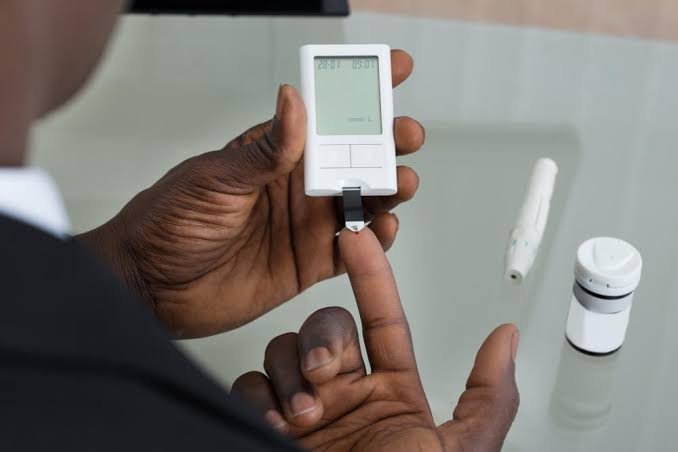
Carbohydrates are especially important because they are broken down into glucose and can raise blood glucose after eating.
However, the effect of carbohydrates is influenced by several factors, including the type and amount of carbohydrate, the amount of fiber, the presence of protein and fat, food preparation, and the individual’s insulin sensitivity and medications.
For example, drinking fruit juice generally raises blood glucose more quickly than eating whole fruit because whole fruit contains fiber and requires more digestion. Eating carbohydrate-containing foods together with protein, fat, or fiber can also slow the rate at which blood glucose rises.
Good nutrition can therefore help support blood glucose management while also addressing other health concerns that frequently accompany diabetes, such as cardiovascular disease, high blood pressure, abnormal cholesterol levels, and excess body weight.
Is There One Perfect Diabetes Diet?
No.
There is no single eating pattern that is best for every person with diabetes.
The American Diabetes Association states that there is no ideal percentage of calories that must come from carbohydrate, protein, or fat for everyone with diabetes. Macronutrient distribution should instead be individualized according to eating habits, preferences, metabolic goals, and other circumstances.
Possible healthy eating patterns include:
- Mediterranean-style eating
- DASH-style eating
- Plant-based eating
- Lower-carbohydrate eating
- Balanced omnivorous diets
- Vegetarian diets
- Other culturally appropriate eating patterns
The best plan is usually one that can be followed consistently while meeting nutritional needs and supporting diabetes treatment.
The Diabetes Plate Method
One of the simplest approaches to building a balanced diabetes-friendly meal is the plate method.
The CDC recommends using a roughly 9-inch plate and dividing it into three sections:
- Half the plate: nonstarchy vegetables.
- One-quarter: lean protein.
- One-quarter: carbohydrate-containing foods.
Water or another low-calorie, unsweetened beverage can accompany the meal.
This method can be especially useful for people who do not want to weigh and measure every food or count every gram of carbohydrate.
What Are Nonstarchy Vegetables?
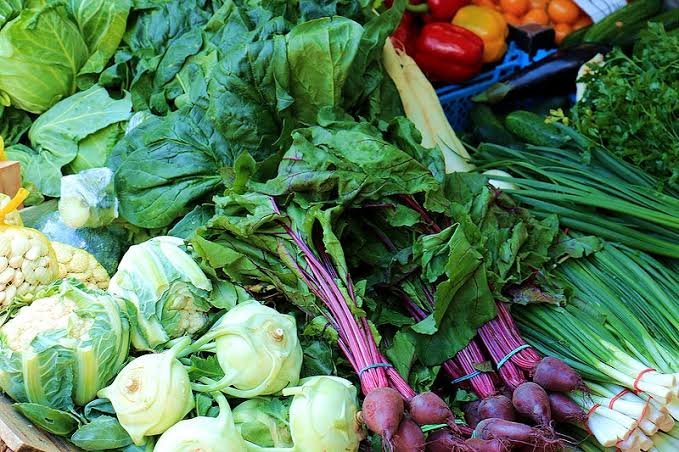
Nonstarchy vegetables are an important part of diabetes-friendly meals because they provide fiber, vitamins, minerals, and other plant compounds while generally contributing relatively few carbohydrates compared with starchy foods.
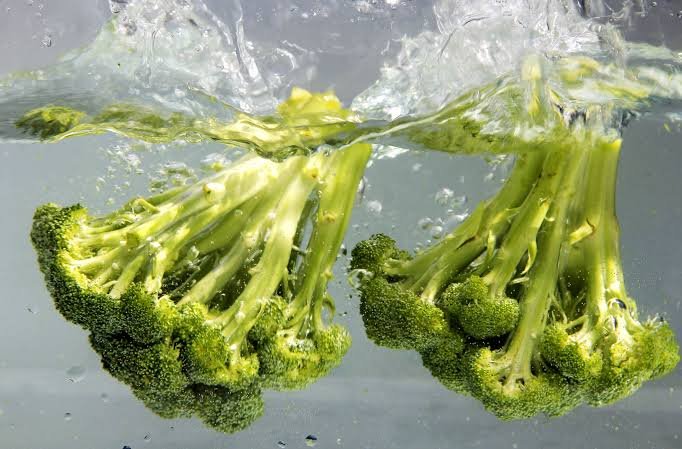
Examples include:
- Spinach
- Kale
- Broccoli
- Cauliflower
- Cabbage
- Green beans
- Bell peppers
- Cucumber
- Tomatoes
- Eggplant
- Zucchini
- Okra
- Mushrooms
- Lettuce
- Carrots
Vegetables can be eaten raw, steamed, roasted, grilled, sautéed, or incorporated into soups and stews.
Foods to Eat More Often With Diabetes
A diabetes-friendly diet should emphasize nutrient-dense foods rather than focusing exclusively on foods that are labeled “diabetic.”
1. Nonstarchy Vegetables
Vegetables should form a major part of many meals.
They provide fiber, vitamins, minerals, and beneficial plant compounds while helping add volume and variety to meals.
Try incorporating several different colors of vegetables throughout the week.
2. Whole Fruits
People with diabetes can generally include whole fruit in a healthy eating pattern.
Good options include:
- Apples
- Oranges
- Guavas
- Pears
- Berries
- Peaches
- Plums
- Mangoes
- Passion fruit
- Bananas
- Avocados
Fruit contains natural sugars, but it also provides fiber, vitamins, minerals, water, and other beneficial compounds.
Portion size still matters because fruit contains carbohydrates.
3. Beans and Legumes
Beans, lentils, chickpeas, peas, and other legumes can be particularly useful because they provide combinations of carbohydrates, protein, fiber, vitamins, and minerals.
Examples include:
- Lentils
- Kidney beans
- Black beans
- Chickpeas
- Green peas
- Black-eyed peas
- Soybeans
Because legumes contain carbohydrates, they still need to be considered when managing carbohydrate intake, but their fiber and nutrient content make them valuable components of many healthy eating patterns.
4. Whole Grains
Whole grains generally provide more fiber and nutrients than refined grains.
Examples include:
- Oats
- Barley
- Brown rice
- Whole-grain bread
- Whole-grain pasta
- Millet
- Sorghum
- Quinoa
- Whole-grain maize
Whole grains still contain carbohydrates, so portion size remains important.
5. Lean Protein
Protein can help make meals satisfying and provides amino acids needed for tissue maintenance and numerous physiological functions.
Examples include:
- Fish
- Skinless poultry
- Eggs
- Beans
- Lentils
- Tofu
- Tempeh
- Low-fat or unsweetened dairy products
- Lean cuts of meat
Plant-based protein sources can also contribute fiber and other nutrients.
6. Fish
Fish can be an excellent protein source. Fatty fish such as salmon, sardines, mackerel, and trout also provide omega-3 fatty acids.
Replacing some higher-saturated-fat meats with fish may support a heart-healthy dietary pattern.
7. Nuts and Seeds
Nuts and seeds provide unsaturated fats, protein, fiber, vitamins, and minerals.
Examples include:
- Almonds
- Walnuts
- Peanuts
- Chia seeds
- Flaxseeds
- Pumpkin seeds
- Sunflower seeds
Because nuts and seeds are calorie-dense, appropriate portions are useful for people who are also managing body weight.
8. Unsweetened Dairy or Fortified Alternatives
Plain yogurt, milk, and suitable fortified dairy alternatives can provide protein and important nutrients such as calcium and vitamin D.
Flavored and sweetened versions may contain substantial amounts of added sugar, so checking the label is useful.
9. Healthy Sources of Unsaturated Fat
Unsaturated fats can be found in foods such as:
- Avocados
- Nuts
- Seeds
- Olive oil
- Canola oil
- Fatty fish
These can be used in appropriate portions as part of a balanced eating pattern.
Foods to Limit With Diabetes
Having diabetes does not necessarily mean completely banning individual foods. However, certain foods are generally better consumed less frequently or in smaller amounts.
1. Sugar-Sweetened Beverages
Sugar-sweetened drinks can provide substantial amounts of rapidly absorbed carbohydrate without providing much fiber or satiety.
Examples include:
- Regular soda
- Sweetened fruit drinks
- Sweetened iced tea
- Energy drinks containing sugar
- Sweetened coffee beverages
- Other sugar-sweetened beverages
Water, sparkling water without added sugar, or unsweetened beverages can often be better choices.
2. Large Amounts of Fruit Juice
Whole fruit is generally preferable to juice because it retains more of the fruit’s original fiber structure.
Juice can contain a significant amount of naturally occurring sugar in a relatively small volume and may raise blood glucose more rapidly than whole fruit.
This does not mean that everyone with diabetes must completely avoid juice, but portion size and frequency matter.
3. Refined Grains
Refined grains include foods such as white bread, many refined cereals, and products made primarily from refined flour.
These foods can still fit into some people’s diets, but choosing higher-fiber alternatives more often may provide greater nutritional value.
4. Sweets and Desserts
Cakes, cookies, pastries, candies, ice cream, and similar foods can contain combinations of added sugar, refined carbohydrates, saturated fat, and calories.
They do not necessarily need to be permanently banned. Smaller portions and less frequent consumption can allow them to fit into an overall healthy eating pattern for many people.
5. Highly Processed Foods
Many highly processed foods contain combinations of refined carbohydrates, sodium, added sugars, saturated fat, and excess calories.
Examples may include certain packaged snacks, processed meats, sweetened breakfast products, and highly processed ready-to-eat meals.
The goal is not to eliminate every processed food but to emphasize whole and minimally processed foods whenever practical.
6. Foods High in Saturated Fat
Foods high in saturated fat can include fatty cuts of meat, certain processed meats, butter, cream, and some high-fat dairy products.
For cardiovascular health, replacing some saturated fats with unsaturated fats is generally preferable.
7. High-Sodium Foods
People with diabetes may also need to pay attention to sodium, especially if they have high blood pressure or cardiovascular or kidney concerns.
Processed meats, instant noodles, packaged sauces, salty snacks, canned soups, and some prepared foods can contain considerable sodium.
Carbohydrates and Diabetes
Carbohydrates are often the most discussed macronutrient in diabetes nutrition because they have a direct effect on blood glucose.
However, carbohydrates are not automatically unhealthy.
Carbohydrate-containing foods include:
- Fruit
- Whole grains
- Rice
- Potatoes
- Beans
- Lentils
- Milk
- Yogurt
- Bread
- Pasta
- Sweets
- Sweetened beverages
The nutritional quality of these foods can vary considerably.
The CDC notes that both the type and amount of carbohydrate matter, and that eating carbohydrates alongside protein, fat, or fiber can slow the rate at which blood glucose rises.
Should People With Diabetes Avoid Carbohydrates?
No.
There is no universal requirement that people with diabetes eliminate carbohydrates.
Instead, carbohydrate intake can be individualized. Some people may benefit from carbohydrate counting, while others may find the plate method or another approach easier.
The ADA’s current standards recognize that different carbohydrate amounts and eating patterns can be appropriate depending on individual preferences and metabolic goals.
What Is Carbohydrate Counting?
Carbohydrate counting is a meal-planning approach in which a person tracks the amount of carbohydrate in foods and beverages.
This can be especially useful for some people who use insulin because carbohydrate intake can help inform insulin dosing.
However, not everyone with diabetes needs to count carbohydrates.
If you use insulin or medications that can cause low blood glucose, your healthcare professional or diabetes educator can help determine whether carbohydrate counting is appropriate for you.
Fiber and Diabetes Nutrition
Dietary fiber is an important component of a diabetes-friendly eating pattern.
Fiber is found in:
- Vegetables
- Fruits
- Beans
- Lentils
- Whole grains
- Nuts
- Seeds
Fiber can slow digestion and may help moderate the rise in blood glucose following carbohydrate-containing meals.
Fiber-rich foods can also contribute to fullness and digestive health.
When increasing fiber intake, it is generally best to do so gradually and maintain adequate fluid intake.
Protein and Diabetes
Protein does not generally raise blood glucose as rapidly as carbohydrate, but it still plays an important role in overall nutrition.
Good protein choices include fish, poultry, eggs, beans, lentils, tofu, plain yogurt, and lean meats.
However, some protein-rich foods also contain significant saturated fat or sodium. For example, processed meats may provide protein while also containing considerable sodium and saturated fat.
This is why the quality of the protein source matters.
Healthy Fats and Diabetes
Fat is an essential nutrient and does not need to be completely eliminated from a diabetes diet.
Focus more often on sources of unsaturated fats, including:
- Avocado
- Nuts
- Seeds
- Olive oil
- Fatty fish
At the same time, limit excessive intake of foods high in saturated and trans fats.
How Portion Size Affects Blood Glucose
Even nutritious foods contain calories and, in some cases, significant amounts of carbohydrate.
For example, eating a large serving of brown rice can still provide a large carbohydrate load despite brown rice being a whole grain.
Portion control is therefore an important component of diabetes meal planning.
The CDC emphasizes that portion size and serving size are not necessarily the same. A serving is a defined amount used on a nutrition label, while a portion is the amount a person actually chooses to eat.
A Simple Diabetes Meal Planning Formula
A practical meal can often be built using the following formula:
- ½ plate: nonstarchy vegetables
- ¼ plate: protein
- ¼ plate: carbohydrate-containing food
- Drink: water or an unsweetened beverage
This approach is simple enough for everyday use and can be adapted to many cuisines.
Diabetes-Friendly Breakfast Ideas
Breakfast does not need to be complicated.
Option 1: Oatmeal Breakfast
- Plain oats
- A small serving of berries or another whole fruit
- Chia or flaxseed
- Unsweetened milk or yogurt
Option 2: Egg and Vegetable Breakfast
- Eggs
- Spinach or other vegetables
- One serving of whole-grain bread
- Whole fruit
Option 3: Plain Yogurt Bowl
- Plain unsweetened yogurt
- Whole fruit
- Nuts or seeds
- A small amount of oats
Diabetes-Friendly Lunch Ideas
Option 1: Chicken and Vegetable Plate
- Grilled chicken
- Large serving of nonstarchy vegetables
- Small serving of brown rice or another whole grain
- Water
Option 2: Bean and Vegetable Meal
- Beans or lentils
- Mixed vegetables
- Small serving of whole grain
- Fresh fruit
Option 3: Fish Salad
- Grilled fish
- Large mixed salad
- Avocado in an appropriate portion
- Small serving of whole-grain carbohydrate
Diabetes-Friendly Dinner Ideas
Option 1: Fish, Vegetables, and Whole Grain
- Grilled or baked fish
- Broccoli, cabbage, spinach, or other vegetables
- Small serving of brown rice, millet, sorghum, or another whole grain
Option 2: Lentil and Vegetable Stew
- Lentils
- Tomatoes
- Leafy vegetables
- Carrots
- Other nonstarchy vegetables
- Small serving of whole grain if desired
Option 3: Chicken and Vegetable Stir-Fry
- Skinless chicken
- Broccoli
- Bell peppers
- Green beans
- Mushrooms
- A modest serving of brown rice
Healthy Snack Ideas for People With Diabetes
Not everyone with diabetes needs snacks. Whether snacks are appropriate depends on the person’s medication, meal schedule, activity level, hunger, blood glucose patterns, and individual plan.
Potential nutritious options include:
- A small handful of unsalted nuts
- Plain yogurt with berries
- A piece of whole fruit
- Vegetable sticks with hummus
- A boiled egg
- Small portions of cheese with vegetables
- Apple with a small amount of nut butter
People taking insulin or certain medications should discuss meal and snack timing with their healthcare team because skipping or delaying meals can contribute to low blood glucose in some circumstances.
What Should People With Diabetes Drink?
Water is generally an excellent everyday beverage.
Other options can include:
- Unsweetened tea
- Unsweetened coffee
- Sparkling water without added sugar
- Unsweetened fortified milk or suitable dairy alternatives
Sugar-sweetened beverages should generally be limited because they can provide substantial amounts of rapidly absorbed carbohydrate.
Regular soda, sweetened tea, sugary energy drinks, and many sweetened beverages can raise blood glucose quickly.
What About Artificially Sweetened Drinks?
Non-nutritive sweeteners can reduce or eliminate added sugar and calories in some beverages.
However, the best beverage choice for most everyday situations is often water or another unsweetened drink.
Individual tolerance and dietary preferences vary, so the overall eating pattern matters more than relying on one specific sweetener.
Can People With Diabetes Eat Fruit?
Yes.
Fruit can be part of a healthy diabetes eating pattern.
Whole fruits provide fiber, vitamins, minerals, water, and other beneficial plant compounds.
Instead of eliminating fruit because it contains natural sugar, consider the portion, the total carbohydrate content of the meal, and whether you are choosing whole fruit or juice.
Can People With Diabetes Eat Rice?
Yes. Rice can be included in a diabetes meal plan.
The important considerations include the type of rice, portion size, what it is eaten with, and the person’s overall carbohydrate needs.
Brown rice and other whole grains can provide more fiber than refined white rice, but portion size remains important because both contain carbohydrate.
Combining rice with nonstarchy vegetables and a protein source can create a more balanced meal.
Can People With Diabetes Eat Potatoes?
Potatoes can also fit into a diabetes-friendly diet.
Potatoes are carbohydrate-containing foods, so portion size and preparation matter.
Boiled, baked, or roasted potatoes can be incorporated into balanced meals. Preparations involving large amounts of butter, cream, or other calorie-dense ingredients may substantially change the nutritional profile.
Can People With Diabetes Eat Bread?
Yes.
Whole-grain or higher-fiber bread may be a useful choice because it can provide more fiber and nutrients than many refined white breads.
However, bread still contributes carbohydrate, so serving size matters.
Checking the nutrition label for total carbohydrate, dietary fiber, added sugars, and sodium can help when comparing products.
Can People With Diabetes Eat Desserts?
Many people with diabetes can occasionally enjoy desserts as part of an individualized eating plan.
The key considerations are portion size, frequency, carbohydrate content, overall calorie intake, and how the food fits into the rest of the meal.
Completely banning favorite foods is not always necessary and may make long-term dietary changes harder to maintain. NIDDK notes that people with diabetes can often continue eating foods they enjoy, potentially in smaller portions or less frequently.
Diabetes and Meal Timing
Meal timing can matter, particularly for people taking insulin or medications that can cause hypoglycemia.
Some people benefit from eating regular, balanced meals rather than skipping meals and becoming extremely hungry later.
However, there is no single schedule that works for everyone.
Meal timing should take into account medications, physical activity, work schedule, sleep pattern, hunger, and blood glucose targets.
Why Skipping Meals Can Be a Problem
Skipping meals may lead to excessive hunger and overeating later in the day.
For people taking insulin or certain glucose-lowering medications, delaying or skipping meals can also increase the risk of low blood glucose.
If you frequently experience low blood glucose, speak with your healthcare team about your meal timing, medication schedule, and physical activity.
Diabetes Meal Planning for Weight Management
For people with type 2 diabetes who have overweight or obesity, weight management can be an important part of diabetes care.
A healthy eating plan can help reduce calorie intake without sacrificing nutritional quality.
Useful strategies include:
- Eating more nonstarchy vegetables
- Controlling portions of calorie-dense foods
- Choosing water instead of sugary drinks
- Eating more whole foods
- Choosing high-fiber carbohydrate sources
- Limiting foods high in added sugar
- Reducing excessive saturated fat intake
- Being physically active
NIDDK notes that for people with overweight or obesity, healthy eating combined with physical activity can support weight management and diabetes control.
Meal Planning on a Budget
Healthy diabetes nutrition does not have to depend on expensive specialty foods.
Affordable nutritious options can include:
- Dried or canned beans
- Lentils
- Oats
- Whole grains
- Seasonal vegetables
- Frozen vegetables
- Eggs
- Small amounts of nuts and seeds
- Fresh seasonal fruit
- Canned fish with appropriate sodium choices
Planning meals before shopping can reduce impulse purchases and food waste.
How to Build a Weekly Diabetes Meal Plan
Step 1: Choose Your Protein Sources
Select several protein sources for the week, such as fish, eggs, chicken, beans, lentils, tofu, or lean meat.
Step 2: Select Vegetables
Choose a variety of nonstarchy vegetables. Buying vegetables that can be used across several meals can reduce waste.
Step 3: Choose Carbohydrate Sources
Select appropriate portions of whole grains, beans, fruit, potatoes, or other carbohydrate-containing foods.
Step 4: Plan Breakfasts
Choose a few simple breakfasts that can be repeated throughout the week.
Step 5: Plan Lunches
Prepare meals in advance when possible. Leftover vegetables and protein can become a convenient lunch the following day.
Step 6: Plan Dinners
Use the plate method to create balanced dinners.
Step 7: Decide Whether Snacks Are Needed
Snacks are not automatically required. Determine whether they fit your hunger, activity, medication, and blood glucose management plan.
Sample 7-Day Diabetes-Friendly Meal Plan
The following is an example of how meals can be structured. It is not a personalized medical diet and does not prescribe specific carbohydrate amounts or calories.
| Day | Breakfast | Lunch | Dinner |
|---|---|---|---|
| Monday | Oatmeal, berries and chia seeds | Chicken salad with vegetables and whole grain | Grilled fish, vegetables and brown rice |
| Tuesday | Eggs, vegetables and whole-grain toast | Lentil and vegetable soup | Chicken, cabbage and a moderate portion of whole grain |
| Wednesday | Plain yogurt, fruit, nuts and oats | Bean and vegetable salad | Fish, broccoli and baked potato |
| Thursday | Oatmeal with fruit and seeds | Chicken and vegetable wrap using whole-grain bread | Lentil stew with vegetables |
| Friday | Eggs, avocado and vegetables | Fish salad with whole-grain carbohydrate | Chicken stir-fry with vegetables and brown rice |
| Saturday | Plain yogurt, fruit and seeds | Beans, vegetables and whole grain | Grilled fish, vegetables and a moderate potato portion |
| Sunday | Oats, fruit and nuts | Chicken and vegetable bowl | Lean protein, mixed vegetables and whole grain |
Portions should be individualized according to energy needs, carbohydrate requirements, medications, activity levels, and personal health goals.
Diabetes Meal Planning When Eating Out
Eating at restaurants does not have to mean abandoning your diabetes eating plan.
Useful strategies include:
- Review the menu before arriving.
- Choose grilled, baked, steamed, or roasted foods more often than fried foods.
- Ask for sauces and dressings on the side.
- Choose vegetables when available.
- Pay attention to portion sizes.
- Choose water or an unsweetened beverage.
- Consider sharing large portions.
- Save part of a large meal for later.
These approaches are consistent with practical meal-planning advice from NIDDK.
Reading Food Labels for Diabetes
Nutrition labels can help people with diabetes understand the amount of carbohydrate, fiber, added sugar, sodium, fat, protein, and calories in packaged foods.
Pay particular attention to:
- Serving size
- Total carbohydrate
- Dietary fiber
- Total sugars
- Added sugars
- Sodium
- Saturated fat
- Calories
Remember that the numbers usually apply to one serving. If you eat two servings, you generally consume twice the listed amount of carbohydrate and other nutrients.
Diabetes and Alcohol
Alcohol can affect blood glucose and may interact with diabetes medications.
For some people, alcohol can increase the risk of low blood glucose, particularly when consumed without food or when certain medications are being used.
People with diabetes should discuss alcohol use with their healthcare professional, particularly if they use insulin or medications that can cause hypoglycemia.
Diabetes Nutrition and Physical Activity
Nutrition and physical activity work together in diabetes management.
Physical activity can improve insulin sensitivity and help manage blood glucose, blood pressure, cholesterol, and body weight.
NIDDK recommends that many adults with diabetes aim for at least 150 minutes of moderate-intensity physical activity per week, alongside muscle-strengthening activities when appropriate. Individual exercise recommendations should be adjusted for health status and physical ability.
People using insulin or medications that can cause hypoglycemia should ask their healthcare team how to manage food intake, medication, and blood glucose around exercise.
Diabetes Nutrition and Hydration
Water is generally the simplest everyday beverage choice.
Good hydration supports normal body functions, while replacing sugary drinks with water can reduce the amount of rapidly absorbed carbohydrate and added sugar consumed.
People with diabetes who have kidney disease, heart failure, or other conditions affecting fluid requirements may need individualized fluid advice.
Special Considerations for Type 1 Diabetes
People with type 1 diabetes generally require insulin because the body produces little or no insulin.
Carbohydrate counting can be particularly useful for people using intensive insulin therapy because carbohydrate intake can influence mealtime insulin requirements.
However, insulin dosing should be individualized by the person’s diabetes care team.
Nutrition plans should also account for physical activity, illness, blood glucose patterns, and the risk of hypoglycemia.
Special Considerations for Type 2 Diabetes
Type 2 diabetes is characterized by insulin resistance and, over time, inadequate insulin production relative to the body’s needs.
Nutrition, physical activity, weight management when appropriate, sleep, stress management, and medications can all contribute to management.
A healthy eating pattern can help improve blood glucose while also supporting cardiovascular health.
Special Considerations for Gestational Diabetes
Gestational diabetes occurs during pregnancy and requires particular attention because both the pregnant individual and developing baby are involved.
Meal planning may involve appropriate carbohydrate distribution, adequate nutrition, blood glucose monitoring, and pregnancy-specific nutritional requirements.
People with gestational diabetes should receive individualized guidance from their obstetric and diabetes care teams rather than following a generic diabetes diet.
Foods Labeled “Diabetic”
Products marketed specifically as “diabetic foods” are not necessarily healthier than ordinary foods.
Rather than relying on marketing language, examine the nutrition facts and ingredients.
Look at:
- Calories
- Total carbohydrate
- Fiber
- Added sugars
- Saturated fat
- Sodium
- Protein
A naturally nutritious whole food may be a better choice than a highly processed product marketed specifically toward people with diabetes.
Common Diabetes Nutrition Mistakes
Mistake 1: Eliminating All Carbohydrates
Carbohydrates are not automatically unhealthy. The type, amount, and overall dietary context matter.
Mistake 2: Drinking Fruit Juice Instead of Eating Whole Fruit
Juice can deliver sugar rapidly while providing less fiber than whole fruit.
Mistake 3: Ignoring Portion Size
Even nutritious carbohydrate-containing foods can raise blood glucose when consumed in very large amounts.
Mistake 4: Focusing Only on Sugar
Diabetes nutrition involves more than sugar. Fiber, total carbohydrate, saturated fat, sodium, protein, calories, and overall diet quality also matter.
Mistake 5: Assuming “Sugar-Free” Means Healthy
A sugar-free product may still contain substantial calories, refined starch, saturated fat, or sodium.
Mistake 6: Skipping Meals Without Considering Medication
Skipping or delaying meals can increase the risk of low blood glucose for people taking insulin or certain medications.
Mistake 7: Following Someone Else’s Diabetes Diet
Diabetes treatment is individualized. A meal plan that works well for one person may not be appropriate for another.
How to Make Diabetes Nutrition Sustainable
A healthy eating plan needs to be realistic enough to follow for years, not just for a few weeks.
Instead of making dozens of changes at once, start with a few practical improvements.
- Replace sugary drinks with water more often.
- Add more nonstarchy vegetables to meals.
- Choose whole fruit instead of juice more often.
- Increase the frequency of beans and lentils.
- Choose whole grains more often.
- Reduce portions of highly processed foods.
- Plan meals before shopping.
- Learn to read nutrition labels.
- Keep nutritious foods readily available.
- Work with a diabetes educator or registered dietitian when possible.
When to Seek Professional Nutrition Advice
People with diabetes should consider working with a qualified healthcare professional when they need help creating an individualized meal plan.
This is especially important if you:
- Use insulin
- Frequently experience low blood glucose
- Have kidney disease
- Are pregnant or have gestational diabetes
- Have significant unintended weight loss
- Have an eating disorder
- Have cardiovascular disease
- Have difficulty controlling blood glucose
- Have multiple medications that affect blood glucose
A registered dietitian nutritionist or diabetes educator can help create a plan based on your medical needs, culture, food preferences, budget, and lifestyle. The CDC specifically recommends diabetes education and support when additional meal-planning assistance is needed.
Frequently Asked Questions About Diabetes Nutrition
What is the best diet for someone with diabetes?
There is no single best diet for everyone with diabetes. Mediterranean-style, plant-based, DASH, lower-carbohydrate, and other balanced eating patterns can be appropriate depending on individual preferences, nutritional needs, medications, and metabolic goals.
Can people with diabetes eat carbohydrates?
Yes. Carbohydrates can be part of a healthy diabetes eating pattern. The amount, type, portion size, and combination with protein, fat, and fiber all matter.
Can people with diabetes eat fruit?
Yes. Whole fruit can provide fiber, vitamins, minerals, and other beneficial compounds. Portion size and total carbohydrate intake should still be considered.
Should people with diabetes avoid sugar completely?
Not necessarily. Added sugars and sugary beverages should generally be limited, but diabetes management is based on the overall eating pattern and carbohydrate management rather than simply eliminating every gram of sugar.
What foods should people with diabetes avoid?
There is no universal list of foods that every person with diabetes must completely avoid. However, foods high in added sugars, sugary drinks, refined grains, saturated fat, sodium, and highly processed ingredients are generally best limited.
Is brown rice better than white rice for diabetes?
Brown rice generally provides more fiber than refined white rice, but both contain carbohydrate. Portion size and the overall meal are important.
Can people with diabetes eat potatoes?
Yes. Potatoes can fit into a balanced eating plan. Because they are carbohydrate-rich, portion size and preparation method should be considered.
Can people with diabetes eat bread?
Yes. Higher-fiber whole-grain breads can be useful choices. However, bread contributes carbohydrate, so serving size matters.
What should a diabetes plate look like?
A commonly recommended plate method is to fill about half the plate with nonstarchy vegetables, one-quarter with lean protein, and one-quarter with carbohydrate-containing food. Water or another unsweetened beverage can accompany the meal.
Is fruit juice bad for diabetes?
Fruit juice can raise blood glucose more quickly than whole fruit because it generally contains less of the original fiber structure. Whole fruit is usually the preferable everyday choice.
Do people with diabetes need to count carbohydrates?
Not everyone does. Some people benefit from carbohydrate counting, particularly those using insulin, while others may prefer the plate method or another approach.
Can people with diabetes eat dessert?
Many people can occasionally include dessert in an individualized eating plan. Smaller portions and less frequent consumption can help keep overall carbohydrate and calorie intake appropriate.
What is the best drink for diabetes?
Water is generally an excellent everyday choice. Unsweetened tea, unsweetened coffee, and other low- or no-sugar beverages can also fit into a healthy eating pattern.
Can diabetes be managed with diet alone?
It depends on the type of diabetes and the individual. Some people require insulin or other medications in addition to nutrition and physical activity. Diet should be considered one component of comprehensive diabetes management.
Conclusion
Diabetes nutrition is not about following a rigid list of forbidden foods. It is about creating an eating pattern that helps manage blood glucose while providing the nutrients needed for good health.
Build meals around nonstarchy vegetables, appropriate portions of carbohydrate-rich foods, lean or plant-based proteins, healthy sources of unsaturated fat, and high-fiber foods. Whole fruits, legumes, whole grains, nuts, seeds, fish, and vegetables can all have a place in a healthy diabetes eating pattern.
At the same time, limit excessive intake of sugar-sweetened beverages, added sugars, refined grains, highly processed foods, foods high in saturated fat, and high-sodium foods.
The plate method provides a simple starting point: approximately half the plate with nonstarchy vegetables, one-quarter with protein, and one-quarter with carbohydrate-containing foods. For people who need more precise control, carbohydrate counting can provide a more detailed approach.
Most importantly, diabetes nutrition should be individualized. Medication use, diabetes type, physical activity, body weight, kidney function, pregnancy, blood glucose patterns, food preferences, culture, and access to food can all influence the most appropriate plan.
If you have diabetes, working with your doctor, registered dietitian, or diabetes educator can help you develop a meal plan that is safe, nutritious, affordable, and realistic for your everyday life.
Sources and References
- American Diabetes Association – Standards of Care in Diabetes—2026: Facilitating Positive Health Behaviors and Well-being
- American Diabetes Association – Standards of Care in Diabetes—2026: Prevention or Delay of Diabetes and Associated Comorbidities
- CDC – Diabetes Meal Planning
- CDC – Healthy Eating With Diabetes
- NIDDK – Healthy Living With Diabetes
- NIDDK – Managing Diabetes
- NIDDK – Your Game Plan to Prevent Type 2 Diabetes
- NIDDK – Diabetes Overview
1 Comment