Nutrition plays an important role in managing kidney disease. The kidneys help remove waste products, balance fluids, regulate minerals, and maintain the body’s internal chemical environment. When kidney function declines, the body may have difficulty maintaining the right levels of sodium, potassium, phosphorus, water, and other substances. Food choices can therefore become an important part of kidney disease management.
However, there is no single kidney diet that is appropriate for everyone. Nutritional requirements can change according to the stage of chronic kidney disease (CKD), kidney function, blood test results, medications, blood pressure, diabetes status, appetite, body weight, and whether a person receives dialysis or has received a kidney transplant.
Table of Contents
For this reason, someone with kidney disease should avoid making major dietary restrictions without professional guidance. A registered dietitian who specializes in kidney disease can help create a nutrition plan that provides enough calories and nutrients while addressing individual laboratory results and treatment goals.
What Is Kidney Disease?
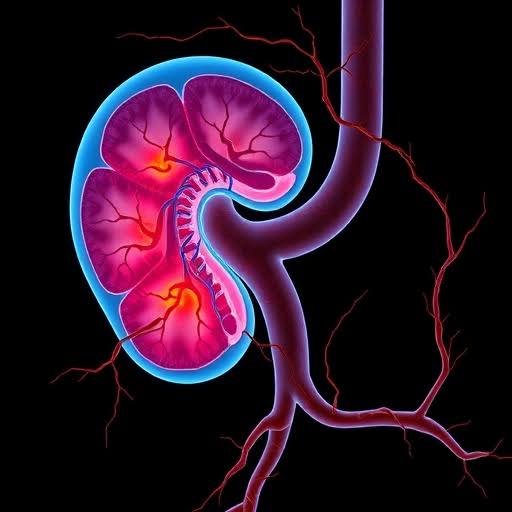
Kidney disease refers to conditions that damage the kidneys or interfere with their ability to function properly. Chronic kidney disease occurs when kidney abnormalities or reduced kidney function persist over time.
Healthy kidneys perform several important functions, including:
- Removing waste products from the blood.
- Helping regulate fluid levels.
- Maintaining sodium and other electrolyte balance.
- Helping regulate potassium and phosphorus.
- Supporting healthy blood pressure.
- Producing hormones involved in red blood cell production and bone health.
- Helping maintain the body’s acid-base balance.
As kidney function declines, some substances that would normally be removed through urine can accumulate in the bloodstream. This is one reason dietary management can become increasingly important as CKD progresses.
Why Nutrition Matters in Kidney Disease
A carefully planned eating pattern can help manage several complications associated with kidney disease. It may help control blood pressure, reduce excess fluid retention, maintain appropriate mineral levels, provide adequate energy and protein, and support cardiovascular health.
Good nutrition is also important because people with advanced kidney disease can be at risk of poor appetite, unintended weight loss, muscle loss, and malnutrition. Excessive dietary restriction can make these problems worse.
The National Kidney Foundation emphasizes that nutritional needs differ between individuals and that a kidney-friendly diet should be based on factors such as kidney function, laboratory results, dialysis status, diabetes, blood pressure, weight, medications, culture, and food preferences.
There Is No Single Kidney Diet
One of the most important things to understand about nutrition and kidney disease is that dietary recommendations are individualized.
A person with early-stage CKD may not need to restrict potassium or phosphorus at all. Another person with advanced CKD may need carefully controlled amounts of these minerals. Someone receiving dialysis may have higher protein requirements than someone with CKD who is not receiving dialysis.
Similarly, a person with kidney disease and diabetes may need a meal plan that manages both blood glucose and kidney-related nutritional requirements.
This means that internet lists of universally “good” or “bad” kidney foods can sometimes be misleading. A food that needs to be limited by one person may be perfectly appropriate for another.
Sodium and Kidney Disease
Sodium is one of the nutrients most commonly addressed in kidney disease nutrition.
The kidneys help regulate sodium and fluid balance. When kidney function is impaired, excessive sodium intake can contribute to fluid retention and high blood pressure. Fluid retention can cause swelling and put additional stress on the heart and kidneys.
Many people with CKD are advised to limit sodium intake. NIDDK notes that the general Dietary Guidelines for Americans recommendation is no more than 2,300 milligrams of sodium per day for adults, while people with CKD may need a different, often lower, target determined by their healthcare team.
Common High-Sodium Foods
Foods that can contribute substantial amounts of sodium include:
- Processed meats such as sausages and deli meats.
- Canned soups.
- Instant noodles.
- Fast food.
- Salty snacks.
- Packaged sauces and seasoning mixes.
- Soy sauce and similar salty condiments.
- Pickles and heavily salted preserved foods.
- Some frozen meals.
- Salted canned foods.
Ways to Reduce Sodium
- Cook more meals at home when possible.
- Choose fresh foods or products without added salt.
- Compare nutrition labels for sodium.
- Choose unsalted nuts and seeds when appropriate.
- Use herbs, garlic, ginger, lemon, vinegar, and spices for flavor.
- Limit processed meats and salty snacks.
- Drain and rinse some canned foods before eating them.
- Limit packaged sauces and seasoning powders.
Reducing sodium does not mean food has to be bland. Herbs, spices, citrus, vinegar, garlic, onion, and other salt-free flavorings can add substantial flavor without relying heavily on salt.
Potassium and Kidney Disease
Potassium is an essential mineral that supports nerve function, muscle contraction, and normal heart function. The kidneys normally help maintain potassium balance.
When kidney function decreases, potassium may accumulate in the blood. However, not everyone with CKD develops high potassium levels. Some people may have normal or even low potassium levels depending on their health condition, medications, diet, and kidney function.
Therefore, people with CKD should not automatically eliminate all potassium-rich foods unless their healthcare team has recommended potassium restriction.
Foods That Can Be High in Potassium
Depending on portion size, examples include:
- Bananas.
- Oranges and orange juice.
- Potatoes.
- Tomatoes and tomato products.
- Avocados.
- Dried fruits.
- Some beans and legumes.
- Nuts and seeds.
- Spinach and some other leafy vegetables.
The appropriate amount depends on an individual’s blood potassium level and treatment plan.
Be Careful With Salt Substitutes
People with kidney disease should be particularly careful with salt substitutes. Some products replace sodium chloride with potassium chloride. This can substantially increase potassium intake and may be unsafe for people who have elevated potassium or take certain medications.
NIDDK specifically advises people who need potassium management to be cautious with salt substitutes and foods containing potassium chloride.
Phosphorus and Kidney Disease
Phosphorus is an essential mineral involved in bone health, energy metabolism, and other biological processes. Healthy kidneys remove excess phosphorus from the blood.
When kidney function declines, phosphorus can accumulate. Persistently high phosphorus levels can contribute to mineral and bone problems and may affect blood vessels.
Not everyone with CKD needs the same degree of phosphorus restriction. Blood phosphorus levels and other laboratory results should help guide dietary decisions.
Foods Containing Phosphorus
Phosphorus occurs naturally in many protein-rich foods, including:
- Milk and dairy products.
- Meat and poultry.
- Fish.
- Eggs.
- Beans and legumes.
- Nuts and seeds.
- Some whole grains.
Phosphorus is also added to many processed foods. These additives can be particularly important because phosphorus from additives may be absorbed more readily than phosphorus naturally present in many foods.
How to Identify Phosphorus Additives
When reading ingredient lists, look for ingredients containing the word “phos.” Examples include:
- Phosphoric acid.
- Sodium phosphate.
- Disodium phosphate.
- Monosodium phosphate.
- Pyrophosphate.
Reducing highly processed foods containing phosphorus additives can sometimes be a useful first step when phosphorus restriction is medically indicated.
Protein and Kidney Disease
Protein is essential for maintaining muscles, tissues, enzymes, hormones, and immune function. However, protein metabolism produces waste products that the kidneys must remove.
For some people with CKD who are not on dialysis, consuming an appropriate—not excessive—amount of protein may be recommended. NIDDK clinical guidance notes that adequate protein intake can be important while avoiding excessive intake, with individualized targets based on the person’s circumstances.
However, reducing protein too aggressively can result in inadequate nutrition, loss of muscle mass, and malnutrition.
Protein Needs Can Change With Dialysis
People receiving dialysis often have different protein requirements. Dialysis can remove some protein from the body, meaning people on dialysis may need more protein than people with CKD who are not receiving dialysis.
This is one reason why a diet designed for someone with moderate CKD should not automatically be used by someone receiving hemodialysis or peritoneal dialysis.
Good Protein Choices
Depending on individual kidney and phosphorus requirements, protein sources may include:
- Fish.
- Eggs.
- Lean poultry.
- Lean cuts of meat.
- Tofu and other soy foods.
- Beans and lentils when appropriate.
- Other plant-based protein foods selected according to potassium and phosphorus needs.
The goal is not necessarily to eliminate animal protein or follow a completely plant-based diet. Instead, the amount and type of protein should be matched to kidney function, nutritional status, and treatment.

Calories and Energy Needs
Calories provide the energy needed for daily activities, body functions, and tissue maintenance. People with CKD need enough energy to prevent the body from breaking down muscle and other tissues for fuel.
Some people with advanced kidney disease experience reduced appetite or changes in taste. Nausea, dietary restrictions, medications, and illness can also make it difficult to eat enough.
Unintentional weight loss should not simply be accepted as part of kidney disease. If appetite is poor or weight is falling unintentionally, speak with a healthcare professional or kidney dietitian.
NIDDK emphasizes the importance of adequate calorie intake because consuming too few calories can contribute to unhealthy weight loss and malnutrition.
Healthy Fats and Kidney Health
Fat is an important source of energy and helps the body absorb fat-soluble vitamins. However, the type of fat matters for cardiovascular health.
People with CKD have an increased risk of cardiovascular disease, so choosing healthier unsaturated fats while limiting saturated and trans fats can be beneficial.
Sources of unsaturated fats include:
- Olive oil.
- Canola oil.
- Avocado, when appropriate for potassium needs.
- Nuts and seeds, when appropriate for phosphorus and potassium needs.
- Fatty fish.
Foods high in saturated fat, such as fatty meats, butter, and some full-fat dairy products, should generally be limited as part of a heart-healthy eating pattern.
Fluids and Kidney Disease
Fluid requirements vary considerably among people with kidney disease.
In earlier stages of CKD, many people may not need to restrict fluid intake. However, people with advanced kidney disease, significant fluid retention, heart failure, or those receiving certain forms of dialysis may need a prescribed fluid limit.
Too much fluid can contribute to swelling, shortness of breath, increased blood pressure, and other complications when the kidneys cannot remove it effectively.
On the other hand, excessive fluid restriction without medical guidance can cause dehydration and other problems.
Do not assume that drinking large amounts of water is automatically beneficial for kidney disease. Ask your healthcare team how much fluid you should consume each day.
Fruits and Vegetables in a Kidney-Friendly Diet
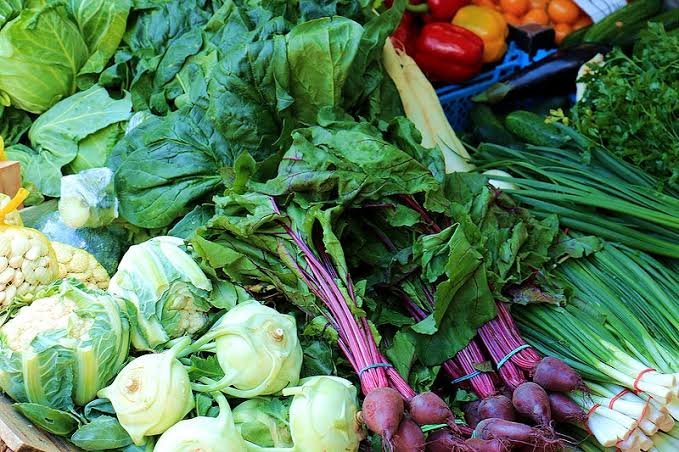
Fruits and vegetables provide fiber, vitamins, minerals, antioxidants, and other beneficial plant compounds. They can form an important part of a healthy eating pattern for people with kidney disease.
However, people who need to control potassium may need to pay attention to the type, portion size, and preparation method of certain fruits and vegetables.
Importantly, a low-potassium kidney diet does not mean eliminating all fruits and vegetables. The appropriate choices should be based on blood potassium levels and individual dietary requirements.
Whole Grains and Kidney Disease
Whole grains can provide fiber, vitamins, minerals, and other nutrients. However, they can also contain phosphorus and potassium, which means that the right choices and portions depend on the person’s individual dietary plan.
Someone with early-stage CKD and normal potassium and phosphorus levels may be able to include a wide range of whole grains. Someone with advanced CKD and laboratory abnormalities may need a more individualized approach.
This is another example of why broad lists of foods labeled “good” or “bad” for kidney disease can be misleading.
Diabetes and Kidney Disease Nutrition
Diabetes is a major cause of chronic kidney disease. When a person has both diabetes and CKD, meal planning may need to address blood glucose, blood pressure, kidney function, sodium, protein, potassium, phosphorus, and overall calorie intake.
Foods that contain added sugars and highly refined carbohydrates may need to be limited for blood glucose management. At the same time, overly restrictive eating can make it difficult to obtain enough calories and nutrients.
A kidney dietitian can help combine diabetes nutrition with kidney-specific dietary requirements.
High Blood Pressure and Kidney Disease
High blood pressure can contribute to kidney damage, while kidney disease can also make blood pressure more difficult to control.
Reducing sodium intake, maintaining a healthy weight when appropriate, following prescribed medications, staying physically active when medically appropriate, and eating a heart-healthy diet can all support blood pressure management.
Because potassium recommendations can differ substantially between people with CKD, individuals should not automatically follow high-potassium diets or use potassium-based salt substitutes without professional guidance.
Foods to Limit in Many Kidney Disease Diets
The exact foods that need to be limited depend on individual laboratory results, but several categories commonly require attention.
- Highly processed foods containing large amounts of sodium.
- Processed meats.
- Fast foods.
- Foods containing phosphate additives when phosphorus is elevated.
- Foods containing potassium chloride when potassium needs to be restricted.
- Excessive amounts of protein when a lower-protein plan has been prescribed.
- Foods high in saturated fat.
- Excessive added sugars, particularly when diabetes is also present.
These foods are not necessarily forbidden for every person with kidney disease. The appropriate restrictions depend on the individual’s medical situation.
Foods That May Fit Into a Kidney-Friendly Eating Pattern
Depending on individual nutrient requirements, a kidney-friendly eating pattern may include a wide variety of foods.
- Fresh or appropriately prepared vegetables.
- Fruits in portions suitable for potassium requirements.
- Whole or minimally processed grains when appropriate.
- Lean proteins.
- Fish.
- Eggs.
- Plant-based proteins in appropriate portions.
- Unsaturated vegetable oils.
- Low-sodium foods.
- Home-cooked meals prepared with herbs and spices.
The emphasis should be on building a nutritionally adequate eating pattern rather than simply removing foods.
How to Read Food Labels for Kidney Health
Food labels can be useful tools when managing kidney disease. Several nutrients and ingredients deserve particular attention.
Sodium
Look at the sodium amount per serving and consider how many servings you actually consume.
Protein
Protein information can help you follow the protein target provided by your healthcare team.
Potassium
Some labels list potassium, although labeling requirements vary by country. Ingredient lists may also reveal potassium chloride or other potassium-containing ingredients.
Phosphorus
Phosphorus may not always be listed in the nutrition information. Checking the ingredient list for “phos” can help identify phosphate additives.
Serving Size
A product may appear low in sodium or another nutrient when viewed as one serving, but eating two or three servings will multiply the amount consumed.
NIDDK recommends paying attention to nutrition labels and ingredient lists when managing sodium, phosphorus, potassium, and other nutrients.
Meal Planning for Kidney Disease
A practical kidney-friendly meal plan should begin with the person’s prescribed nutrient targets rather than a generic food list.
A simple framework can include:
- Choose an appropriate portion of protein.
- Add vegetables or fruits that fit your potassium plan, if one is needed.
- Select an appropriate grain or carbohydrate source.
- Use a small amount of healthy fat when appropriate.
- Keep sodium low.
- Follow any prescribed phosphorus or fluid limits.
Your dietitian may modify this framework depending on your laboratory results, diabetes status, dialysis treatment, appetite, weight, and other conditions.
Sample Kidney-Friendly Meal Ideas
The following examples are general ideas, not individualized medical prescriptions. A person’s potassium, phosphorus, protein, sodium, and fluid requirements may require significant modifications.
Breakfast
A suitable breakfast might include oatmeal or another appropriate grain with fruit selected according to potassium requirements, together with an appropriate protein source.
Lunch
A lunch could include grilled chicken or another suitable protein, a portion of rice or another grain, and vegetables appropriate for the person’s potassium plan.
Dinner
Dinner might include baked fish, an appropriate starch, and a selection of low-sodium vegetables. Herbs, lemon, garlic, and spices can provide flavor without excessive salt.
Snacks
Snack choices depend heavily on potassium and phosphorus requirements. A dietitian can help identify appropriate options, particularly for people who need to control both minerals.
Nutrition During Dialysis
Dialysis changes nutritional requirements.
People receiving hemodialysis or peritoneal dialysis may need more protein because treatment can remove protein from the body. They may also need to manage sodium, potassium, phosphorus, and fluid differently from someone who is not on dialysis.
Skipping dialysis sessions can also allow waste products and minerals to accumulate, so dietary changes should not be viewed as a replacement for prescribed dialysis treatment.
People receiving dialysis should work closely with their nephrologist and kidney dietitian to determine their individual protein, fluid, sodium, potassium, phosphorus, and calorie targets.
Nutrition Before and After Kidney Transplantation
Kidney transplant recipients have different nutritional considerations from people with advanced CKD who have not received a transplant.
After transplantation, medications, blood pressure, blood glucose, cholesterol, body weight, and cardiovascular risk may influence dietary recommendations. Food safety can also become particularly important because some anti-rejection medications suppress the immune system.
A transplant dietitian can provide individualized guidance based on medications, kidney function, laboratory results, and recovery status.
Common Mistakes to Avoid
1. Following a Generic Kidney Food List
Not everyone with kidney disease needs the same potassium, phosphorus, protein, or fluid restrictions.
2. Eliminating Fruits and Vegetables Without Medical Advice
Some people unnecessarily restrict healthy plant foods because they have heard that potassium is dangerous. Potassium needs to be based on laboratory results and individual medical circumstances.
3. Using Salt Substitutes Without Checking the Ingredients
Potassium chloride is common in some salt substitutes and may be unsafe for people who need to restrict potassium.
4. Eating Too Little Protein
Excessive protein may be inappropriate for some people with CKD, but too little protein can contribute to muscle loss and malnutrition.
5. Drinking Excessive Amounts of Water
More water is not automatically better for someone with kidney disease. Some people with advanced disease require fluid restriction.
6. Focusing Only on One Nutrient
Kidney nutrition involves balancing multiple factors. A diet that successfully lowers sodium but provides inadequate calories, for example, may not be appropriate.
The Role of a Kidney Dietitian
A kidney dietitian can help translate medical information and laboratory results into practical meals.
Medical nutrition therapy may address:
- Protein requirements.
- Sodium intake.
- Potassium management.
- Phosphorus management.
- Fluid requirements.
- Calorie needs.
- Diabetes management.
- Blood pressure control.
- Weight management.
- Dialysis nutrition.
The National Kidney Foundation recommends individualized nutrition support because dietary requirements can change as kidney disease progresses.
When to Seek Professional Nutrition Advice
Professional dietary guidance is particularly important if you have been diagnosed with moderate or advanced CKD, have abnormal potassium or phosphorus levels, receive dialysis, have significant swelling, experience unexplained weight loss, have diabetes, or have difficulty eating enough.
You should also speak with your healthcare team before making major dietary restrictions based solely on information found online.
Frequently Asked Questions
What is the best diet for kidney disease?
There is no single best kidney diet. A suitable eating pattern depends on kidney function, CKD stage, laboratory results, medications, blood pressure, diabetes, dialysis status, body weight, and nutritional needs.
Should everyone with kidney disease avoid bananas?
No. Bananas contain potassium, but not everyone with CKD needs to restrict potassium. If your blood potassium is normal and your healthcare team has not prescribed potassium restriction, you may not need to avoid bananas.
Can people with kidney disease eat beans?
Beans can be nutritious sources of protein and fiber, but they also contain potassium and phosphorus. Whether they should be limited depends on individual laboratory results, portion size, and the dietary plan recommended by your healthcare team.
How much protein should someone with kidney disease eat?
Protein requirements vary. Some people with CKD who are not on dialysis may be advised to consume an appropriate moderate amount, while people receiving dialysis commonly require more protein. A kidney dietitian can calculate an appropriate daily target.
Is drinking lots of water good for kidney disease?
Not necessarily. Fluid requirements vary widely. Some people with kidney disease can drink according to thirst, while others need a prescribed fluid restriction. Ask your healthcare professional how much fluid is appropriate for you.
Can kidney disease patients eat vegetables?
Yes. Vegetables can be an important part of a healthy diet. However, people who need potassium restriction may need to choose certain vegetables carefully, control portions, or use preparation methods recommended by their dietitian.
Should people with CKD avoid dairy?
Not necessarily. Dairy products contain protein, calcium, and phosphorus. If phosphorus or protein needs to be controlled, your healthcare team may recommend limiting portions or choosing specific alternatives.
Can kidney disease be reversed with diet?
Diet can help manage CKD and may help slow progression in some circumstances, but it cannot be assumed to reverse established kidney damage. The underlying cause of kidney disease, its stage, medications, blood pressure, diabetes, and other factors all affect prognosis.
Is a plant-based diet safe for kidney disease?
A plant-based diet can be appropriate for some people with CKD, but it may require individualized planning because plant foods can contain potassium and phosphorus. Importantly, phosphorus from plant foods is generally absorbed differently from phosphorus in many animal foods and phosphate additives. A kidney dietitian can help build an adequate plant-based diet around your laboratory results and nutritional needs.
Conclusion
Nutrition for kidney disease is about balance rather than simply creating a long list of forbidden foods. Sodium, potassium, phosphorus, protein, calories, fluids, and dietary fat can all become important considerations, but their recommended amounts differ from person to person.
Reducing excessive sodium, choosing minimally processed foods, maintaining adequate calorie and protein intake, and selecting foods according to laboratory results can support kidney health and overall well-being. People with advanced CKD or those receiving dialysis often require more specialized dietary management.
Most importantly, kidney disease nutrition should be individualized. A diet that is appropriate for one person may be inappropriate for another, particularly when potassium, phosphorus, fluid, or protein requirements differ. Working with a nephrologist and a kidney-specialized dietitian can help ensure that dietary changes support kidney function without causing nutritional deficiencies.
Sources and References
- NIDDK: Healthy Eating for Adults with Chronic Kidney Disease
- NIDDK: Slow Progression and Reduce Complications of Chronic Kidney Disease
- NIDDK: Eating Right with Kidney Failure
- National Kidney Foundation: Nutrition and Kidney Disease, Stages 1–5 (Not on Dialysis)
- National Kidney Foundation: Creating a Kidney-Friendly Plate
- National Kidney Foundation: Medical Nutrition Therapy for Kidney Disease
- National Kidney Foundation: Kidney Disease Nutrition Resources