Category: Diseases and Disorders
-
Nutrition for Kidney Disease: Dietary Considerations and Nutrient Management
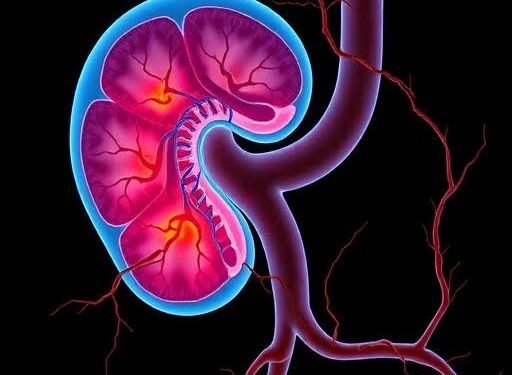
Nutrition plays an important role in managing kidney disease. The kidneys help remove waste products, balance fluids, regulate minerals, and maintain the body’s internal chemical environment. When kidney function declines, the body may have difficulty maintaining the right levels of sodium, potassium, phosphorus, water, and other substances. Food choices can therefore become an important part […]
-
High Cholesterol Diet: Foods That Support Healthy Cholesterol Levels
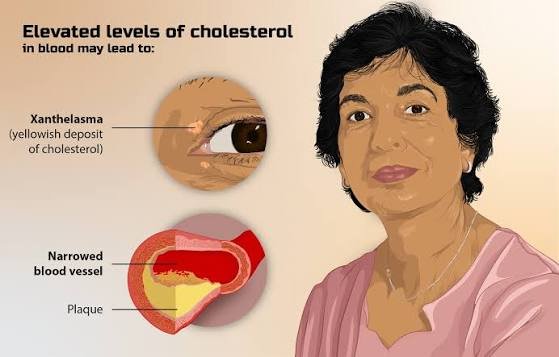
High cholesterol is a common health concern that can increase the risk of heart disease, stroke, and other cardiovascular complications. Although cholesterol is essential for normal body functions, having too much low-density lipoprotein (LDL) cholesterol in the bloodstream can contribute to fatty deposits building up inside the arteries. Over time, these deposits may restrict blood […]
-
Dietary Approaches to Help Manage High Blood Pressure
High blood pressure, also called hypertension, is one of the most important risk factors for heart disease, stroke, kidney disease, and other serious health complications. Although medication is sometimes necessary, nutrition and lifestyle changes can play an important role in preventing and managing high blood pressure. A heart-healthy eating pattern can help lower blood pressure […]
-
Cardiovascular Diseases: The Role of Nutrition in Heart Health
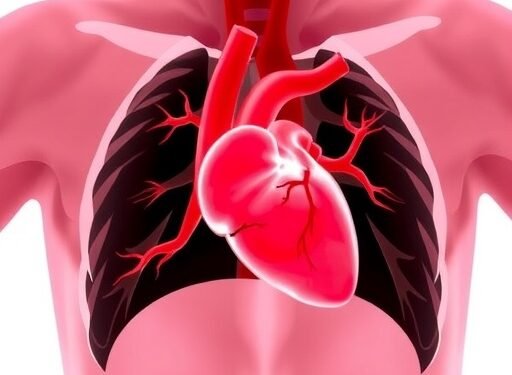
Cardiovascular diseases are among the most serious health problems worldwide, affecting the heart and blood vessels and contributing to millions of deaths every year. Although factors such as age, genetics, smoking, physical inactivity, high blood pressure, diabetes, and cholesterol can influence cardiovascular health, nutrition is one of the most important lifestyle factors that people can […]
-
Nutrition for Type 2 Diabetes: Managing Blood Glucose Through Diet
Nutrition plays a central role in managing type 2 diabetes. The foods you eat, the amount you eat, and the timing of your meals can all influence blood glucose levels. A well-planned eating pattern can help people with type 2 diabetes keep blood glucose closer to their target range while also supporting healthy blood pressure, […]
-
Diabetes Nutrition: Foods to Eat, Foods to Limit, and Meal Planning
Nutrition plays an important role in diabetes management. The foods you eat, the amount you eat, and the timing of meals can all influence blood glucose levels, body weight, blood pressure, cholesterol, and overall health. However, having diabetes does not mean that you need to completely eliminate carbohydrates, fruit, or your favorite foods. Modern diabetes […]