Category: Nutrition
Human nutrition
-
Understanding Nutrition Labels: How to Read Food Labels Correctly
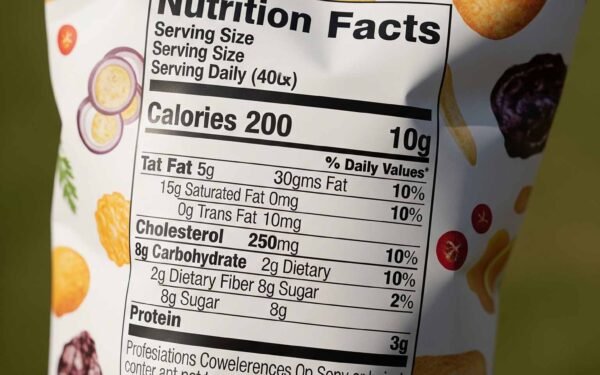
Nutrition labels are one of the most useful tools available for understanding what is inside packaged foods and beverages. They can tell you how many calories a food provides, how much fat, carbohydrate, protein, fiber, sodium, sugar, vitamins, and minerals it contains, and how much a serving contributes to your daily nutritional needs. However, food […]
-
Dietary Fiber: Types, Benefits, Sources, and Recommended Intake
Dietary fiber is one of the most important components of a healthy diet, yet many people do not consume enough of it. Unlike carbohydrates such as starch and sugar, fiber is not completely broken down and absorbed by the human digestive system. Instead, different types of fiber interact with water, digestive contents, and the microorganisms […]
-
Water and Hydration: How Much Water Does the Human Body Need?
Water is one of the most essential substances required by the human body. Every cell, tissue and organ depends on water to function properly. It helps regulate body temperature, transport nutrients, remove waste products, lubricate joints, support digestion, maintain blood volume and participate in thousands of chemical reactions that keep the body alive. Despite its […]
-
Understanding Basal Metabolic Rate and Total Daily Energy Expenditure
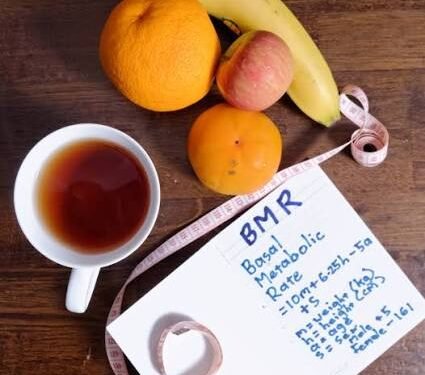
Understanding how the body uses energy is one of the most important foundations of nutrition, weight management, fitness, and overall health. Two terms that frequently appear when discussing calorie needs are Basal Metabolic Rate (BMR) and Total Daily Energy Expenditure (TDEE). Although these concepts are closely related, they describe different aspects of how much energy […]
-
The Difference Between Calories, Kilocalories, and Energy in Food
Food provides the energy your body needs to survive, move, grow, repair tissues, regulate body temperature, and perform countless chemical processes every day. Yet the language used to describe food energy can be confusing. Nutrition labels commonly use the word calories, scientists often discuss kilocalories, and nutrition textbooks may describe food in terms of energy. […]
-
Digestion and Absorption: How the Body Processes Food and Nutrients
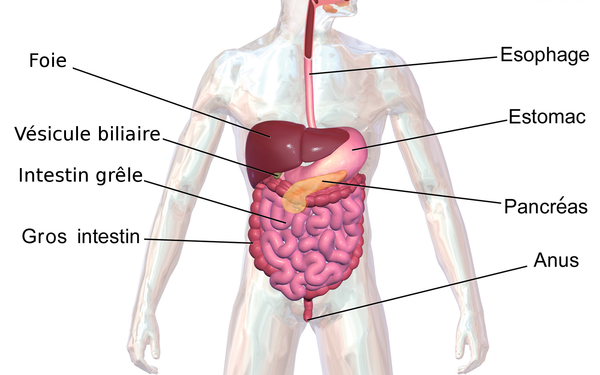
Every day, the human body relies on food to obtain the energy, vitamins, minerals, water, and other nutrients needed to survive. However, eating food is only the beginning of a complex biological process. Before most nutrients can enter the bloodstream and become available to cells, food must be broken down into smaller molecules through digestion […]
-
The 10 Essential Nutrients Your Body Needs to Stay Healthy
Every day, the human body performs thousands of processes that keep us alive, active, and healthy. From producing energy and repairing damaged tissues to maintaining strong bones, supporting the immune system, and regulating body temperature, these functions depend on a continuous supply of nutrients from food and water. Essential nutrients are substances the body needs […]
-
Micronutrients Explained: Vitamins, Minerals, and Their Functions
Micronutrients are essential nutrients that the human body needs in small amounts to maintain good health, support normal growth, and carry out thousands of biological processes. Although they are required in much smaller quantities than carbohydrates, proteins, and fats, vitamins and minerals play an indispensable role in keeping the body functioning properly. From supporting the […]
-
Macronutrients Explained: Carbohydrates, Proteins, and Fats
Macronutrients are the nutrients your body needs in relatively large amounts to produce energy, support growth, repair damaged tissues, and maintain essential bodily functions. They play a fundamental role in human nutrition, influencing everything from muscle development and brain function to metabolism and overall health. The three primary macronutrients are carbohydrates, proteins, and fats. Each […]
-
What Is Nutrition? A Complete Beginner’s Guide to Nutrients and Healthy Eating
Have you ever wondered why some foods give you energy, why your body needs vitamins and minerals, or why eating a balanced diet is important for your health? The answers to these questions lie in nutrition. Nutrition is one of the foundations of human health. Every day, the foods and drinks we consume provide the […]