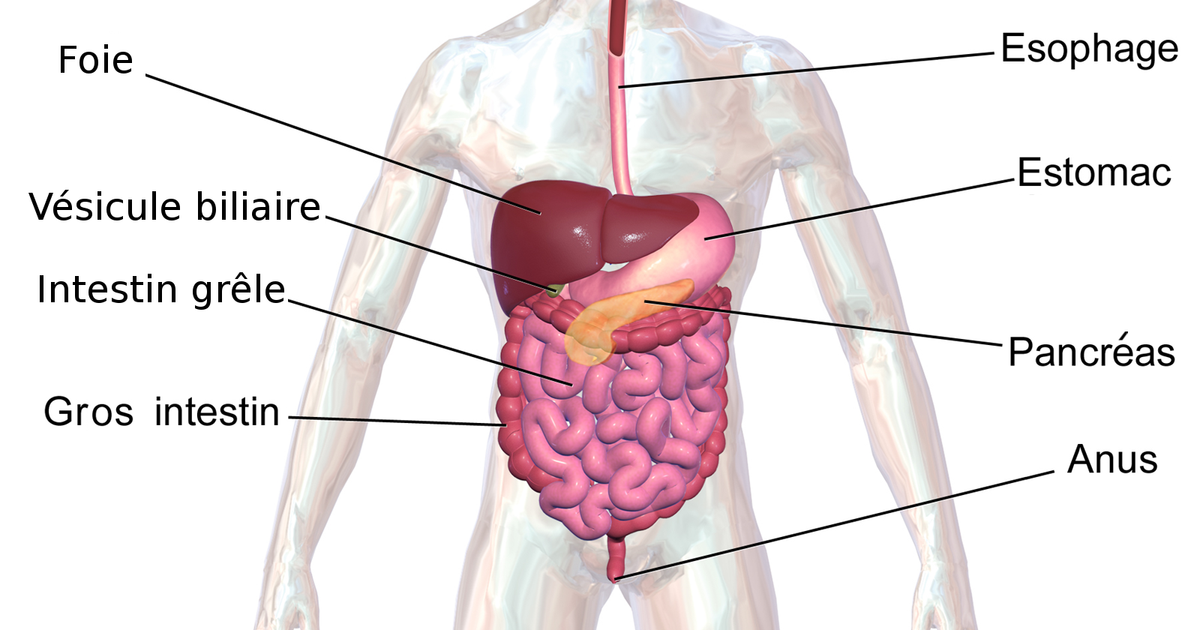
Every day, the human body relies on food to obtain the energy, vitamins, minerals, water, and other nutrients needed to survive. However, eating food is only the beginning of a complex biological process. Before most nutrients can enter the bloodstream and become available to cells, food must be broken down into smaller molecules through digestion and then transferred into the body through absorption.
Digestion and absorption are two closely connected processes that allow the body to transform the food we eat into substances that support energy production, growth, tissue repair, immune function, and overall health.
Table of Contents
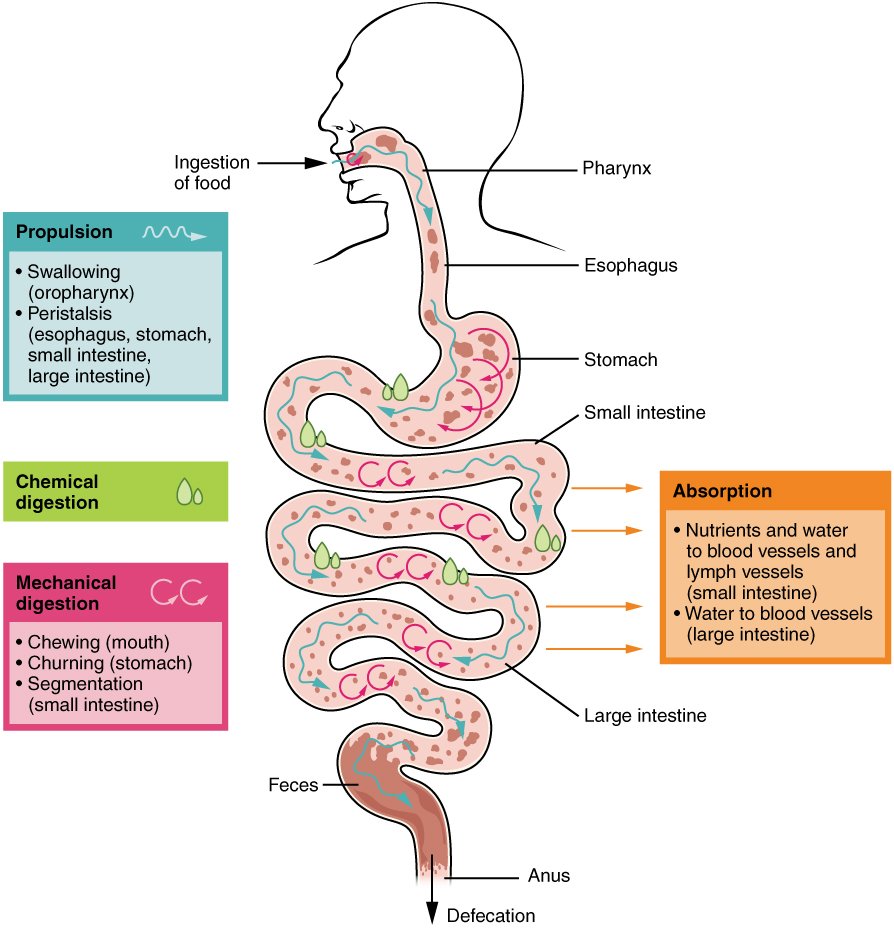
Digestion begins in the mouth, continues through the stomach, and is completed primarily in the small intestine. Absorption occurs mainly in the small intestine, although the stomach and large intestine also absorb certain substances, including water, minerals, and some medications.
Understanding how digestion and absorption work helps explain why nutrient-rich foods are important, how digestive enzymes function, why gut health matters, and how digestive disorders can affect nutritional status.
Digestion is the process through which the digestive system breaks down food into smaller substances that the body can absorb and use.
Many foods contain large and complex molecules that cannot cross the intestinal lining in their original form. For example, dietary proteins consist of long chains of amino acids, while starch is made up of numerous glucose molecules linked together.
The digestive system uses physical movements, digestive fluids, and enzymes to break these substances down into smaller units.
Digestion involves two major processes:
1. Mechanical Digestion
Mechanical digestion is the physical breakdown of food into smaller pieces without changing the basic chemical structure of its molecules.
It begins when the teeth chew food in the mouth. Chewing reduces food particle size and mixes food with saliva, making it easier to swallow and increasing the surface area available for digestive enzymes.
Mechanical digestion continues in the stomach, where muscular contractions mix food with gastric juices. The small intestine also uses muscular movements to mix digestive contents with enzymes and improve contact with the intestinal lining.
Examples of mechanical digestion include:
- Chewing food with the teeth.
- Mixing food with saliva in the mouth.
- Churning food in the stomach.
- Mixing intestinal contents through segmentation movements.
2. Chemical Digestion
Chemical digestion involves breaking large food molecules into smaller molecules through chemical reactions, particularly those controlled by digestive enzymes.
Digestive enzymes help break chemical bonds in carbohydrates, proteins, and fats. Stomach acid also creates conditions that support protein digestion and helps activate certain digestive enzymes.
For example:
- Carbohydrates are broken down into simple sugars, such as glucose, galactose, and fructose.
- Proteins are broken down into amino acids and small peptides.
- Dietary fats are broken down mainly into fatty acids and other absorbable lipid products, including monoglycerides.
Mechanical and chemical digestion work together. Physical breakdown makes food easier for enzymes to act upon, while chemical digestion converts food components into absorbable substances.
What Is Nutrient Absorption?
Nutrient absorption is the process by which digested nutrients, water, electrolytes, and other substances move from the digestive tract across its lining and into the blood or lymphatic system.
Once nutrients have been absorbed, they can be transported to organs and tissues where they are used for energy, growth, repair, storage, and other physiological functions.
Most nutrient absorption occurs in the small intestine because it has a large surface area and a specialized lining designed to transport nutrients efficiently.
Absorption is different from digestion. Digestion breaks food down, while absorption transfers the resulting substances into the body’s internal environment.
For example, when you eat a piece of bread, enzymes break its starch into smaller sugars. These sugars are then absorbed through the small intestine into the bloodstream and transported to the liver and other tissues.
Without effective absorption, even a diet containing sufficient nutrients may fail to meet the body’s needs.
Organs of the Digestive System and Their Functions
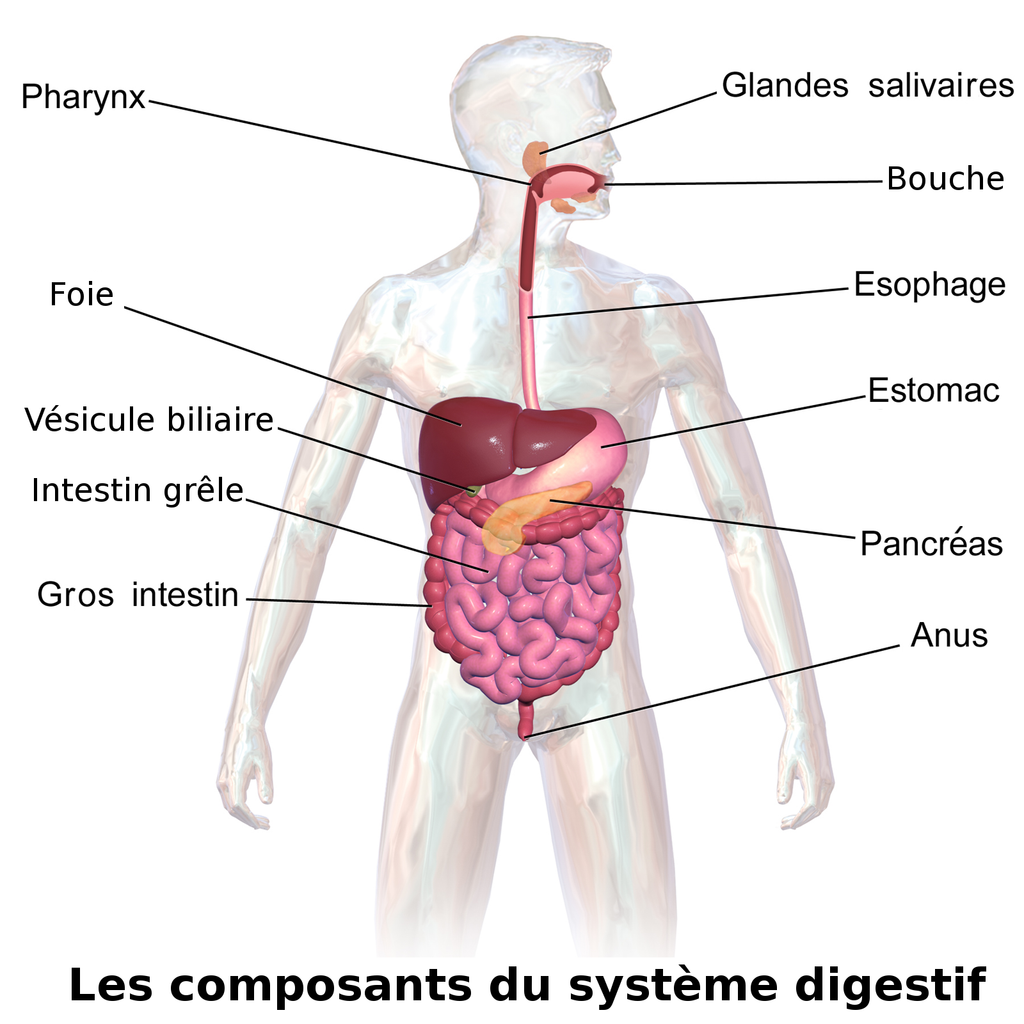
The digestive system includes the gastrointestinal tract and several accessory organs. Each structure performs specific functions that contribute to the movement, breakdown, absorption, and elimination of food.
1. The Mouth
The mouth is the entry point of the digestive system. It contains the teeth, tongue, and openings of the salivary glands.
The teeth mechanically break food into smaller particles, while the tongue moves food around the mouth and helps form it into a soft mass called a bolus.
Salivary glands produce saliva, which moistens food and contains salivary amylase, an enzyme that begins the digestion of starch.
Saliva also helps lubricate food, making swallowing easier.
2. The Pharynx and Esophagus
After chewing, food is swallowed and passes through the pharynx into the esophagus.
The esophagus is a muscular tube that connects the throat to the stomach. It transports food through coordinated muscular contractions known as peristalsis.
Peristalsis consists of waves of muscle contraction and relaxation that push food forward through the digestive tract.
A muscular structure called the lower esophageal sphincter helps regulate the movement of food into the stomach and reduces the backward flow of stomach contents.
3. The Stomach
The stomach is a muscular, expandable organ that temporarily stores food and mixes it with gastric secretions.
Its gastric glands produce hydrochloric acid, digestive enzymes, mucus, and other substances that support digestion.
Hydrochloric acid creates an acidic environment that helps unfold proteins and activates pepsinogen, an inactive enzyme precursor, into pepsin.
Pepsin begins the chemical digestion of proteins by breaking them into smaller peptide chains.
The stomach also produces intrinsic factor, a protein needed for vitamin B12 absorption later in the small intestine.
As the stomach muscles contract, food is mixed into a semi-liquid substance called chyme. The stomach gradually releases chyme into the small intestine through the pyloric sphincter.
Although some substances, including small amounts of water and certain medications, can be absorbed in the stomach, most nutrient absorption takes place in the small intestine.
4. The Small Intestine
The small intestine is the main site of chemical digestion and nutrient absorption.
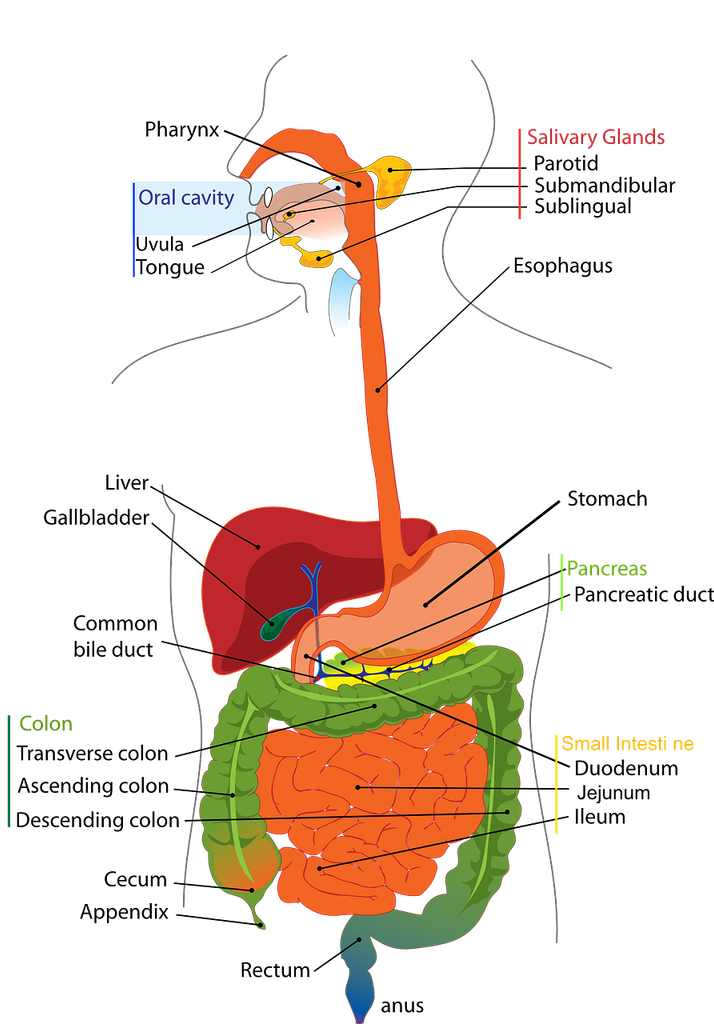
It consists of three sections:
- Duodenum: The first section, where chyme mixes with pancreatic enzymes and bile. Much of the chemical digestion of food occurs here.
- Jejunum: The middle section, responsible for absorbing a large proportion of carbohydrates, amino acids, fats, vitamins, minerals, and water.
- Ileum: The final section, which absorbs remaining nutrients, including vitamin B12 bound to intrinsic factor and bile salts.
The inner surface of the small intestine contains folds, villi, and microscopic projections called microvilli. These structures greatly increase the surface area available for absorption.
The small intestine also produces enzymes and hormones that help regulate digestion.
5. The Liver
The liver is a major accessory organ of digestion and metabolism.
One of its digestive functions is producing bile, a fluid that helps the body digest and absorb dietary fats.
After absorption, many nutrients from the intestine travel to the liver through the hepatic portal vein. The liver processes, stores, transforms, and distributes these nutrients according to the body’s needs.
For example, the liver can store glucose as glycogen and release glucose when blood sugar levels fall.
6. The Gallbladder
The gallbladder is a small organ located beneath the liver. It stores and concentrates bile between meals.
When fat-containing food enters the small intestine, hormonal signals stimulate the gallbladder to contract and release bile through the bile ducts.
Bile helps disperse large fat droplets into smaller droplets, making them easier for digestive enzymes to act upon.
7. The Pancreas
The pancreas produces pancreatic juice, which contains enzymes that digest carbohydrates, proteins, and fats.
It also releases bicarbonate, which helps neutralize acidic chyme entering the small intestine from the stomach.
Pancreatic enzymes include:
- Pancreatic amylase, which digests starch.
- Pancreatic lipase, which digests triglycerides.
- Proteases, including trypsin and chymotrypsin, which break down proteins.
The pancreas also produces hormones such as insulin and glucagon, which regulate blood glucose. These hormones have important metabolic functions but are distinct from the pancreatic digestive enzymes released into the intestine.
8. The Large Intestine
The large intestine includes the cecum, colon, rectum, and associated structures.
Its main functions include absorbing remaining water and electrolytes, supporting the gut microbiome, and forming and storing stool.
Gut bacteria ferment some dietary fibers and other carbohydrates that escape digestion in the small intestine. This process produces substances such as short-chain fatty acids, which can be used by cells in the colon and may influence broader metabolic and immune functions.
The large intestine also helps maintain fluid balance by returning water and electrolytes to the body.
9. The Rectum and Anus
The rectum stores stool before it is eliminated. When stool enters the rectum, nerve signals trigger the defecation reflex.
The anal sphincters help regulate the release of stool from the body.
Defecation is the final stage of the digestive process, removing indigestible material and other waste products.
The Stages of Digestion: How Food Travels Through the Body
Digestion is a coordinated process involving muscular movements, digestive secretions, enzymes, hormones, and nerves.
The following stages explain what happens to food after it is eaten.
Stage 1: Ingestion
Ingestion is the act of taking food and beverages into the mouth.
Once food enters the mouth, the teeth begin mechanical digestion while saliva moistens the food. The tongue helps move food around and prepares it for swallowing.
Smelling, seeing, or even thinking about food can stimulate saliva production and prepare the digestive system for a meal.
Stage 2: Swallowing and Peristalsis
Swallowing moves food from the mouth through the pharynx and into the esophagus.
During swallowing, coordinated muscle actions direct food toward the esophagus and help protect the airway.
Peristaltic waves then transport food through the esophagus into the stomach.
Stage 3: Gastric Digestion
Once food reaches the stomach, muscular contractions mix it with gastric juice.
Hydrochloric acid helps create the conditions necessary for pepsin to digest proteins. The stomach also continues mechanical digestion by churning food into chyme.
Gastric emptying is carefully regulated. The stomach releases chyme gradually into the duodenum so the small intestine can process it efficiently.
Meals containing substantial amounts of fat may slow gastric emptying, although the rate also depends on meal size, food composition, and individual physiology.
Stage 4: Chemical Digestion in the Small Intestine
When acidic chyme enters the duodenum, it stimulates the release of digestive hormones.
Secretin promotes bicarbonate secretion from the pancreas, helping neutralize stomach acid. Cholecystokinin, commonly called CCK, stimulates pancreatic enzyme secretion and gallbladder contraction.
Pancreatic enzymes, bile, and enzymes located on the intestinal lining work together to complete the digestion of carbohydrates, proteins, and fats.
This stage produces small molecules that can cross the intestinal lining.
Stage 5: Nutrient Absorption
As digestion progresses, nutrients move across the intestinal lining.
Simple sugars and amino acids enter blood vessels within the intestinal villi. Many products of fat digestion are processed inside intestinal cells and packaged into particles called chylomicrons.
Most chylomicrons enter lymphatic vessels called lacteals before eventually reaching the bloodstream.
The blood and lymph then transport absorbed nutrients to tissues throughout the body.
Stage 6: Water Absorption and Waste Formation
Material that remains after most nutrients have been absorbed moves into the large intestine.
The colon absorbs water and electrolytes while gut bacteria ferment some undigested carbohydrates.
The remaining material becomes stool, which is stored in the rectum and eventually eliminated through the anus.
Digestive Enzymes and Their Functions
Digestive enzymes are biological catalysts that speed up chemical reactions involved in breaking down food molecules.
Different enzymes act on different nutrients. Their activity depends on factors such as temperature, pH, and the availability of suitable food molecules.
Most digestive enzymes are proteins produced by salivary glands, the stomach, the pancreas, and cells lining the small intestine.
| Digestive enzyme | Where it acts or is produced | Main function |
|---|---|---|
| Salivary amylase | Mouth | Begins the digestion of starch into smaller carbohydrates. |
| Pepsin | Stomach | Breaks proteins into smaller peptides. |
| Pancreatic amylase | Small intestine | Breaks starch into smaller carbohydrate molecules. |
| Trypsin and chymotrypsin | Small intestine | Break down proteins and peptides into smaller peptides. |
| Pancreatic lipase | Small intestine | Breaks triglycerides into fatty acids and monoglycerides. |
| Maltase | Small intestinal lining | Breaks maltose into glucose molecules. |
| Lactase | Small intestinal lining | Breaks lactose into glucose and galactose. |
| Sucrase | Small intestinal lining | Breaks sucrose into glucose and fructose. |
| Peptidases | Small intestinal lining | Break down small peptides into amino acids and smaller peptides. |
Enzymes are essential because many food molecules are too large to be absorbed directly. Without adequate enzyme activity, some nutrients remain incompletely digested and may pass into the large intestine, where they can contribute to symptoms such as gas, bloating, or diarrhea.
How Carbohydrates, Proteins, and Fats Are Digested
Carbohydrates, proteins, and fats are the three main macronutrients that require substantial digestion before most of their components can be absorbed.
Each macronutrient follows a different digestive pathway.
1. Carbohydrate Digestion and Absorption
Carbohydrates are an important source of energy. They are found in foods such as rice, bread, potatoes, fruits, vegetables, legumes, and milk.
Carbohydrates include simple sugars, starches, and dietary fiber. Digestible carbohydrates must be broken down into simple sugars before absorption.
In the mouth: Salivary amylase begins breaking starch into smaller carbohydrate chains.
In the stomach: The acidic environment gradually inactivates salivary amylase. Relatively little carbohydrate digestion occurs in the stomach.
In the small intestine: Pancreatic amylase continues starch digestion. Enzymes on the intestinal lining, including maltase, sucrase, and lactase, complete the breakdown of many carbohydrates.
The main absorbable products are glucose, galactose, and fructose.
Glucose and galactose are absorbed through transport proteins that use the sodium gradient across intestinal cells. Fructose uses a different transport protein.
These sugars enter blood vessels in the intestinal villi and travel through the hepatic portal vein to the liver.
The liver can use these sugars for energy, store some glucose as glycogen, or release glucose into the circulation according to the body’s needs.
Dietary fiber is different because human digestive enzymes cannot break down many types of fiber. Some fiber reaches the colon, where gut bacteria ferment it.
2. Protein Digestion and Absorption
Proteins are essential for building and repairing tissues, producing enzymes and hormones, supporting immune function, and maintaining muscle mass.
Dietary protein is found in foods such as eggs, fish, meat, milk, beans, lentils, nuts, and soy products.
Proteins consist of long chains of amino acids linked by peptide bonds. The digestive system must break these chains into smaller peptides and amino acids.
In the stomach: Hydrochloric acid helps unfold protein structures, making them more accessible to digestive enzymes. Pepsin breaks proteins into shorter peptide chains.
In the small intestine: Pancreatic proteases, including trypsin and chymotrypsin, continue breaking down proteins. Enzymes on the intestinal lining further digest peptides.
The resulting amino acids and small peptides are absorbed by intestinal cells through specialized transport systems.
Inside intestinal cells, many small peptides are broken down into amino acids. Amino acids then enter the bloodstream and travel to the liver.
The body uses absorbed amino acids to build new proteins, repair tissues, produce enzymes, and support other essential functions.
Unlike carbohydrates and fats, the body does not maintain a specialized storage reservoir for excess dietary protein. Amino acids that are not needed for protein synthesis can be metabolized, with their nitrogen removed and their remaining carbon structures used for energy or converted into other substances.
3. Fat Digestion and Absorption
Dietary fats provide concentrated energy, supply essential fatty acids, support cell membrane structure, and help the body absorb fat-soluble vitamins A, D, E, and K.
Common dietary fats include triglycerides, phospholipids, and cholesterol.
Fat digestion takes place mainly in the small intestine.
In the mouth and stomach: Lingual and gastric lipases begin breaking down some dietary fats, although most fat digestion occurs in the small intestine.
In the small intestine: Bile salts help emulsify fat, dispersing large fat droplets into smaller droplets. This increases the surface area available for pancreatic lipase.
Pancreatic lipase breaks triglycerides into fatty acids and monoglycerides.
These products combine with bile salts to form structures called mixed micelles. Micelles help transport lipid digestion products through the watery environment of the intestinal contents toward the intestinal surface.
Fatty acids and other lipid products enter intestinal cells. Inside these cells, many long-chain fatty acids and monoglycerides are reassembled into triglycerides and packaged with other lipids and proteins into chylomicrons.
Chylomicrons enter intestinal lymphatic vessels and eventually reach the bloodstream. They deliver dietary fats to tissues for energy, storage, and other functions.
Some shorter-chain and medium-chain fatty acids can enter the portal blood more directly, depending on their chemical properties and the conditions of absorption.
Summary of Macronutrient Digestion
| Nutrient | Main digestion site | Major absorbable products | Primary transport route |
|---|---|---|---|
| Carbohydrates | Mouth and small intestine | Glucose, galactose, fructose | Bloodstream through the hepatic portal vein |
| Proteins | Stomach and small intestine | Amino acids and small peptides | Bloodstream through the hepatic portal vein |
| Fats | Mainly small intestine | Fatty acids, monoglycerides, and other lipid products | Primarily lymph for long-chain fats, then bloodstream |
How Nutrient Absorption Works in the Small Intestine
The small intestine is specially adapted to absorb nutrients efficiently. Its inner surface contains circular folds, villi, and microvilli that greatly increase the area available for absorption.
Understanding Villi and Microvilli
Villi are small, finger-like projections extending from the lining of the small intestine.
Each villus contains blood capillaries and a lymphatic vessel called a lacteal. These structures transport absorbed nutrients away from the intestinal surface.
The cells covering the villi have microscopic projections called microvilli. Together, the microvilli form the brush border, which increases the surface area and contains enzymes involved in final digestion.
This specialized structure allows the small intestine to absorb nutrients from a large volume of food efficiently.
How Nutrients Cross the Intestinal Lining
Nutrients cross the intestinal lining through several mechanisms. The main mechanisms include passive diffusion, facilitated diffusion, and active or secondary active transport.
Passive diffusion: Certain substances move across membranes from an area of higher concentration to an area of lower concentration without direct energy expenditure.
Facilitated diffusion: Substances move down their concentration gradient through specialized transport proteins in the cell membrane.
Active transport: Transport proteins use energy directly or indirectly to move substances against their concentration gradients.
For example, glucose and galactose use sodium-dependent transport in intestinal cells. This process relies on a sodium gradient maintained by energy-dependent pumps.
Different nutrients require different transport systems. This allows the intestine to absorb a broad range of substances under varying dietary conditions.
The Role of Blood in Nutrient Transport
Most water-soluble nutrients absorbed from the intestine enter blood capillaries within the villi.
Blood from much of the digestive tract carries absorbed nutrients to the liver through the hepatic portal vein before they enter the general circulation.
The liver plays an important role in regulating nutrient levels, storing certain nutrients, processing absorbed substances, and distributing nutrients to other tissues.
For example, glucose absorbed after a meal can be used by cells for energy or stored as glycogen in the liver and muscles.
The Role of the Lymphatic System in Fat Absorption
The lymphatic system is particularly important for absorbing many dietary fats.
Long-chain fatty acids and monoglycerides are reassembled into triglycerides inside intestinal cells. They are then packaged into chylomicrons.
Chylomicrons are too large to enter ordinary blood capillaries directly in the same way as glucose and amino acids. Instead, they enter lymphatic lacteals.
The lymph carries these particles through larger lymphatic vessels before they enter the bloodstream.
This pathway helps transport dietary fats and fat-soluble vitamins throughout the body.
Absorption of Vitamins, Minerals, and Water
Vitamins, minerals, and water do not all require the same digestive processes as carbohydrates, proteins, and fats. However, they still need to be absorbed through the digestive tract for the body to use them effectively.
1. Fat-Soluble Vitamins
The fat-soluble vitamins are vitamins A, D, E, and K.
These vitamins are absorbed alongside dietary fats. Their absorption depends partly on normal fat digestion, bile production, and the formation of micelles in the small intestine.
After entering intestinal cells, many fat-soluble vitamins are incorporated into chylomicrons and transported through the lymphatic system.
Because fat-soluble vitamins can be stored in the body, excessive intake of certain supplements can lead to harmful accumulation. Supplement use should therefore be guided by appropriate nutritional needs and professional advice.
2. Water-Soluble Vitamins
Water-soluble vitamins include vitamin C and the B-complex vitamins.
Many are absorbed directly into intestinal cells through specific transport proteins or other mechanisms and then enter the bloodstream.
Vitamin B12 is an important exception because its absorption requires several coordinated steps.
In the stomach, vitamin B12 is released from food proteins. It eventually binds to intrinsic factor, a protein produced by stomach parietal cells.
The vitamin B12-intrinsic factor complex is absorbed in the terminal ileum through specialized receptors.
Problems affecting the stomach, intrinsic factor production, or the terminal ileum can therefore interfere with vitamin B12 absorption.
3. Mineral Absorption
Minerals are inorganic nutrients needed for functions such as oxygen transport, bone development, fluid balance, nerve signaling, and muscle contraction.
Examples include iron, calcium, zinc, magnesium, and potassium.
Mineral absorption occurs mainly in the small intestine, although the location and mechanisms vary by mineral.
For example, iron is absorbed primarily in the upper small intestine. Its absorption is influenced by the form of iron in food, the body’s iron stores, and other dietary components.
Vitamin C can improve the absorption of non-heme iron found in plant foods. Certain compounds in foods, including phytates, can reduce the absorption of some minerals under particular dietary conditions.
Calcium absorption occurs through both active, vitamin D-regulated transport and passive pathways. The relative contribution of each pathway depends partly on calcium intake and the body’s physiological needs.
Healthy digestion and adequate dietary intake help maintain mineral balance, but absorption can also be influenced by age, medications, and gastrointestinal disorders.
4. Water and Electrolyte Absorption
Water is essential for nearly every physiological process, including nutrient transport, temperature regulation, circulation, and waste removal.
Water is absorbed throughout the small intestine and large intestine. Much of the water entering the digestive tract is reabsorbed before stool is eliminated.
Water movement is closely linked to the absorption of electrolytes and nutrients. For example, sodium and glucose absorption can promote water absorption across the intestinal lining.
The large intestine plays an important role in recovering remaining water and electrolytes from intestinal contents.
When the intestines cannot absorb sufficient water or when excessive water is secreted into the intestinal tract, diarrhea may occur. Prolonged diarrhea can lead to dehydration and electrolyte disturbances.
The Large Intestine and the Gut Microbiome
The large intestine does more than remove waste. It contains a diverse community of microorganisms known collectively as the gut microbiome.
These microorganisms include bacteria and other microbes that interact with food components, the intestinal lining, and the immune system.
How Gut Bacteria Help With Digestion
Many types of dietary fiber cannot be broken down by human digestive enzymes. Instead, some of these carbohydrates reach the large intestine, where gut bacteria ferment them.
Fermentation produces short-chain fatty acids, including acetate, propionate, and butyrate.
These compounds have several functions. Butyrate, for example, serves as an important energy source for cells lining the colon.
Short-chain fatty acids may also influence intestinal barrier function, immune activity, and metabolic signaling.
However, the effects of the gut microbiome vary according to the types of microorganisms present, the foods consumed, and individual health conditions.
The Gut Microbiome and Nutrient Availability
Gut microorganisms can influence how certain dietary components are metabolized and how much energy is obtained from some otherwise indigestible carbohydrates.
They also contribute to the production of certain compounds, including vitamin K and some B vitamins. The extent to which microbial vitamin production meets human nutritional requirements varies and should not be assumed to replace dietary sources.
A diverse, fiber-containing diet can support a range of beneficial microbial activities. Examples of foods that provide fermentable fiber include beans, lentils, oats, vegetables, fruits, and whole grains.
It is important to remember that the gut microbiome is only one part of digestion. Normal nutrient absorption also depends on healthy intestinal cells, digestive enzymes, bile, blood flow, and coordinated movement of the gastrointestinal tract.
Factors That Affect Digestion and Nutrient Absorption
Digestion and absorption are influenced by several factors, including diet, age, digestive organ function, gut health, medications, and underlying medical conditions.
1. Dietary Composition
The type and amount of food consumed can affect digestion.
Fiber supports bowel function and provides material for microbial fermentation. However, suddenly increasing fiber intake may cause temporary gas or bloating in some people.
Fat content can influence gastric emptying, while food texture and preparation can affect how easily food is chewed and digested.
A balanced diet containing a variety of foods helps provide the nutrients required for normal physiological function.
2. Age
Digestive function can change throughout life.
Infants have developing digestive systems, while older adults may experience changes in appetite, medication use, gastrointestinal movement, or the ability to absorb certain nutrients.
For example, some older adults have reduced vitamin B12 absorption because of changes in stomach function or other medical conditions. However, age alone does not mean that nutrient malabsorption is inevitable.
3. Digestive Enzyme Production
Adequate enzyme production is necessary for the digestion of carbohydrates, proteins, and fats.
Conditions affecting the pancreas can reduce digestive enzyme secretion and interfere with nutrient breakdown.
Insufficient lactase activity can make it difficult to digest lactose, the naturally occurring sugar in milk.
When lactose is not adequately digested, it may reach the colon, where bacteria ferment it and produce gas. This can cause symptoms such as bloating, abdominal discomfort, and diarrhea in people with lactose intolerance.
4. Bile Production and Fat Digestion
Bile is necessary for efficient digestion and absorption of many dietary fats and fat-soluble vitamins.
Disorders affecting the liver, bile ducts, or normal delivery of bile to the small intestine can interfere with fat absorption.
In some cases, impaired fat absorption can lead to fatty stools and deficiencies of vitamins A, D, E, and K.
5. Intestinal Health
The intestinal lining plays a central role in nutrient absorption.
Inflammation, injury, infection, or structural damage to the small intestine can reduce its ability to absorb nutrients.
Conditions such as celiac disease and Crohn’s disease can affect intestinal function and may lead to nutrient deficiencies in some individuals.
6. Medications and Medical Conditions
Some medications can affect digestive movement, stomach acid production, enzyme activity, or nutrient absorption.
For example, certain medicines that reduce stomach acid may affect the absorption of selected nutrients in some circumstances. Other medications can cause diarrhea or alter bowel movements.
People who take long-term medication and develop persistent digestive symptoms should discuss possible nutritional effects with a qualified healthcare professional rather than stopping prescribed treatment independently.
How to Support Healthy Digestion and Nutrient Absorption
Healthy digestion depends on several interacting systems. While no single food or supplement can guarantee perfect digestion, certain habits can support normal gastrointestinal function and help meet nutritional needs.
1. Eat a Variety of Nutrient-Rich Foods
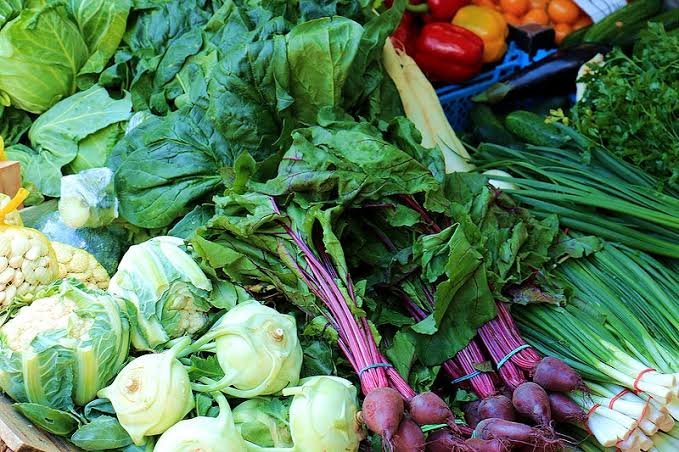
Include a variety of foods from different food groups, such as vegetables, fruits, whole grains, legumes, nuts, seeds, and suitable protein sources.
Dietary variety helps provide the carbohydrates, proteins, fats, vitamins, minerals, and fiber needed to support normal body functions.
Different foods contain different combinations of nutrients, so relying on a very limited range of foods may make it more difficult to meet nutritional requirements.
2. Increase Fiber Intake Gradually
Dietary fiber supports bowel regularity and provides fermentable material for gut bacteria.
Good sources include beans, lentils, whole grains, fruits, vegetables, nuts, and seeds.
If your current diet is low in fiber, increase intake gradually to allow your digestive system to adjust. Drinking enough fluids is also important when increasing fiber intake.
People with certain gastrointestinal conditions may need individualized advice about the amount and type of fiber they consume.
3. Drink Enough Water
Water supports digestion, nutrient transport, and normal bowel function.
Fluid requirements vary depending on climate, physical activity, diet, body size, and health status.
In hot environments or during physical activity, fluid needs may increase. Drinking fluids regularly and responding to thirst can help support hydration for many healthy adults.
People with medical conditions that require fluid restriction should follow their healthcare professional’s recommendations.
4. Chew Food Thoroughly
Chewing breaks food into smaller particles and mixes it with saliva.
This helps make food easier to swallow and allows digestive enzymes to access a greater surface area.
Eating at a comfortable pace and chewing thoroughly can also make meals more manageable for people who tend to eat quickly.
5. Include Appropriate Sources of Healthy Fats
Dietary fat is necessary for energy, cell membranes, and the absorption of vitamins A, D, E, and K.
Sources of unsaturated fats include nuts, seeds, avocados, and vegetable oils.
Fat-containing foods can also help the body absorb fat-soluble vitamins present in meals.
However, people with certain digestive disorders may need specific guidance regarding fat intake.
6. Support a Diverse Gut Microbiome
Eating a variety of fiber-containing plant foods can provide substrates for different gut microorganisms.
Fermented foods such as yogurt with live cultures, kefir, and some fermented vegetables may also be included in a balanced diet, depending on individual tolerance and food safety.
Not all fermented foods contain live microorganisms at the time of consumption, and fermented foods should not be assumed to treat digestive diseases.
Probiotic supplements have different strains and effects. Their benefits depend on the specific product, condition, and available evidence.
7. Maintain Regular Physical Activity
Regular physical activity supports general health and may help promote normal bowel function in some people.
Walking and other moderate activities can be incorporated into daily routines according to individual ability.
People experiencing digestive discomfort during exercise may find it helpful to consider meal timing, hydration, and the intensity of activity.
8. Avoid Unnecessary Restrictive Diets
Eliminating entire food groups without a clear reason may reduce nutrient intake and make it more difficult to maintain a balanced diet.
For example, avoiding all dairy products without suitable alternatives may reduce calcium and vitamin B12 intake, depending on the rest of the diet.
People who suspect food intolerance or allergy should seek appropriate assessment before making major long-term dietary changes.
Digestive Disorders and Nutrient Malabsorption
Malabsorption occurs when the digestive system cannot absorb nutrients normally. It may affect one nutrient, several nutrients, or a wide range of dietary components.
Some conditions interfere with digestion itself, while others damage the intestinal lining or disrupt the transport of nutrients across intestinal cells.
1. Celiac Disease
Celiac disease is an immune-mediated condition triggered by gluten in genetically susceptible individuals.
Gluten exposure can damage the lining of the small intestine, including the villi, which reduces the surface area available for nutrient absorption.
Possible symptoms include diarrhea, bloating, abdominal discomfort, fatigue, and weight loss. Some people experience few digestive symptoms but develop nutritional deficiencies.
Diagnosis requires appropriate medical testing. People being evaluated for celiac disease should generally continue consuming gluten until advised otherwise by their healthcare professional, because removing gluten before testing may affect the results.
2. Lactose Intolerance
Lactose intolerance occurs when the small intestine produces insufficient lactase to digest the lactose in dairy products adequately.
Undigested lactose reaches the large intestine, where bacteria ferment it and produce gas and other substances that can cause symptoms.
Symptoms may include bloating, gas, abdominal cramps, and diarrhea after consuming lactose-containing foods.
Lactose intolerance is different from a milk allergy, which involves an immune response to milk proteins.
3. Exocrine Pancreatic Insufficiency
Exocrine pancreatic insufficiency occurs when the pancreas does not release enough digestive enzymes into the small intestine.
This can impair the digestion of fats, proteins, and carbohydrates.
Fat maldigestion may lead to greasy stools, diarrhea, weight loss, and deficiencies of fat-soluble vitamins.
Medical treatment may include pancreatic enzyme replacement therapy, depending on the underlying cause and clinical assessment.
4. Inflammatory Bowel Disease
Inflammatory bowel disease includes Crohn’s disease and ulcerative colitis.
Crohn’s disease can affect different parts of the digestive tract, including the small intestine, where many nutrients are absorbed.
Inflammation, intestinal damage, reduced food intake, and some surgical procedures can contribute to nutritional deficiencies in affected individuals.
Ulcerative colitis primarily affects the colon. Although it does not usually cause widespread small-intestinal malabsorption directly, inflammation, diarrhea, blood loss, and reduced intake can affect nutritional status.
5. Chronic Diarrhea
Diarrhea involves frequent passage of loose or watery stools. It can result from infections, food intolerance, medication effects, or chronic digestive disorders.
Persistent diarrhea may interfere with fluid and electrolyte balance and can sometimes reduce nutrient absorption.
Severe or prolonged diarrhea can lead to dehydration, weakness, and nutritional complications.
When Should You Seek Medical Advice?
Occasional digestive symptoms may occur for many reasons, but persistent or severe symptoms should not be ignored.
Consider seeking medical assessment if you experience:
- Persistent diarrhea or constipation.
- Unexplained weight loss.
- Repeated vomiting or difficulty keeping fluids down.
- Ongoing abdominal pain or severe bloating.
- Blood in the stool or black, tarry stools.
- Signs of dehydration, such as dizziness, very little urine, or marked weakness.
- Symptoms suggesting nutrient deficiencies, such as persistent fatigue or unexplained anemia.
Severe abdominal pain, substantial gastrointestinal bleeding, fainting, or signs of severe dehydration require urgent medical attention.
Digestive symptoms can have many causes, so diagnosis should be based on an appropriate medical evaluation rather than symptoms alone.
Frequently Asked Questions About Digestion and Absorption
1. What is the difference between digestion and absorption?
Digestion is the process of breaking food into smaller molecules using mechanical movements and digestive enzymes. Absorption is the movement of these nutrients, along with water and electrolytes, across the intestinal lining into the blood or lymphatic system.
2. Where does most digestion take place?
Most chemical digestion of carbohydrates, proteins, and fats occurs in the small intestine. Digestion begins in the mouth, and protein digestion starts in the stomach, but the small intestine is the primary site where digestive processes are completed.
3. Where are most nutrients absorbed?
Most nutrients are absorbed in the small intestine, particularly the duodenum and jejunum. The ileum absorbs remaining nutrients, including vitamin B12 bound to intrinsic factor and bile salts.
4. What are the three main nutrients that require digestion?
The three main macronutrients that require substantial digestion are carbohydrates, proteins, and fats. Carbohydrates are broken down into simple sugars, proteins into amino acids and small peptides, and fats into fatty acids and other absorbable lipid products.
5. What is the role of digestive enzymes?
Digestive enzymes speed up chemical reactions that break large food molecules into smaller substances that can be absorbed. Examples include amylase for starch digestion, pepsin for protein digestion, and lipase for fat digestion.
6. What is the role of bile in digestion?
Bile is produced by the liver and stored in the gallbladder. Bile salts help emulsify dietary fats and support the formation of micelles, which make fat digestion products and fat-soluble vitamins easier to absorb.
7. Why is the small intestine important for nutrient absorption?
The small intestine has a large surface area because of its folds, villi, and microvilli. Its specialized cells and transport systems allow nutrients to cross the intestinal lining and enter the blood or lymphatic system.
8. How does the body absorb fat?
Fat is mainly digested in the small intestine with the help of bile and pancreatic lipase. Many long-chain fat digestion products enter intestinal cells, are repackaged into chylomicrons, and travel through lymphatic vessels before reaching the bloodstream.
9. Can poor digestion cause nutrient deficiencies?
Yes. Conditions that interfere with digestive enzyme production, bile delivery, intestinal health, or nutrient transport can reduce nutrient absorption. Over time, this may lead to deficiencies, weight loss, or other nutritional complications.
10. How can I improve digestion and absorption naturally?
Eating a varied diet with appropriate amounts of fiber, drinking enough fluids, chewing food thoroughly, maintaining physical activity, and addressing persistent digestive symptoms can support normal digestive function. People with underlying digestive disorders may require individualized medical and nutritional care.
Conclusion: Why Digestion and Absorption Matter for Good Health
Digestion and absorption are essential processes that allow the human body to obtain nutrients from food and use them to support life. Digestion breaks food into smaller molecules, while absorption transfers these substances into the blood or lymph for transport throughout the body.
The mouth, stomach, small intestine, pancreas, liver, gallbladder, and large intestine all contribute to this coordinated process. Digestive enzymes break down carbohydrates, proteins, and fats, while the specialized lining of the small intestine absorbs most nutrients.
Healthy digestion depends on a combination of adequate nutrient intake, effective digestive secretions, a functioning intestinal lining, balanced fluid levels, and normal gastrointestinal movement.
Understanding how the body processes food makes it easier to appreciate the importance of a varied, balanced diet and to recognize when persistent digestive symptoms may require professional attention.
By supporting digestive health and meeting nutritional needs, individuals can help their bodies obtain the nutrients required for energy production, growth, tissue repair, and overall well-being.
Sources and Further Reading
- National Institute of Diabetes and Digestive and Kidney Diseases (NIDDK): Your Digestive System and How It Works
- NIDDK: Digestive Diseases and Conditions
- NCBI Bookshelf: Physiology, Digestion
- NCBI Bookshelf: Physiology, Nutrient Absorption
- NIDDK: Nutrition Research and Nutrient Absorption
Medical disclaimer: This article is for educational and informational purposes only. It is not a substitute for professional medical advice, diagnosis, or treatment. Consult a qualified healthcare professional regarding persistent digestive symptoms, suspected nutrient deficiencies, or individual dietary and medical concerns.
1 Comment