Understanding how the body uses energy is one of the most important foundations of nutrition, weight management, fitness, and overall health. Two terms that frequently appear when discussing calorie needs are Basal Metabolic Rate (BMR) and Total Daily Energy Expenditure (TDEE). Although these concepts are closely related, they describe different aspects of how much energy the body requires and uses each day.
Your body needs energy even when you are doing absolutely nothing. The heart must continue beating, the lungs must keep working, the brain needs fuel, the kidneys must filter the blood, cells must maintain their functions, and the body must regulate its temperature. The energy required to maintain these essential processes is largely represented by your basal metabolic rate.
Table of Contents
However, most people do not spend their entire day lying completely still. We walk, work, exercise, cook, clean, talk, digest food, climb stairs, and perform countless other activities. The total amount of energy your body uses throughout an entire day is therefore considerably higher than your BMR. This broader measurement is known as total daily energy expenditure, or TDEE.
Understanding the relationship between BMR and TDEE can help explain why different people require different amounts of food energy, why calorie requirements change as body weight changes, and why physical activity can significantly affect daily energy needs.
What Is Basal Metabolic Rate?
Basal Metabolic Rate (BMR) is an estimate of the amount of energy your body requires to maintain essential physiological functions while at complete rest under specific conditions.
In simple terms, BMR represents the energy your body needs to stay alive and maintain basic internal functions even if you were resting all day.
These functions include:
- Maintaining heartbeat and circulation
- Supporting breathing
- Maintaining brain activity
- Regulating body temperature
- Supporting kidney and liver function
- Maintaining cellular activity
- Supporting nervous system function
- Maintaining tissues and organs
- Supporting basic hormonal processes
BMR does not represent the total amount of energy you normally burn in a day. It is only the energy required to maintain fundamental physiological processes under resting conditions.
BMR vs. Resting Metabolic Rate
BMR is sometimes confused with Resting Metabolic Rate (RMR). The terms are closely related, but they are not technically identical.
True BMR is measured under highly controlled conditions. The person generally needs to be awake, physically rested, fasting, and in a thermoneutral environment, among other requirements.
RMR is generally measured under less restrictive conditions and therefore may be somewhat higher than BMR.
In everyday nutrition and fitness calculations, however, the distinction is often less important because many online calculators use the terms interchangeably.
What Is Total Daily Energy Expenditure?
Total Daily Energy Expenditure (TDEE) is the total amount of energy your body uses over the course of a typical day.
Unlike BMR, TDEE accounts for more than just basic physiological functions. It includes the energy required for maintaining the body at rest, moving around, exercising, digesting food, and performing everyday activities.
TDEE can be thought of as a combination of several major components of energy expenditure.
The Four Main Components of TDEE
TDEE is commonly described as the combination of four major components:
- Basal metabolic rate
- Thermic effect of food
- Exercise activity
- Non-exercise activity thermogenesis
Understanding these components makes it easier to understand why daily calorie requirements differ from person to person.
1. Basal Metabolic Rate
BMR generally represents the largest component of daily energy expenditure for most people.
Even while sleeping or sitting quietly, your body is using energy. Your organs cannot simply switch off when you stop exercising.
The brain, heart, liver, kidneys, muscles and other tissues continue functioning throughout the day and night.
This means that someone with a BMR of approximately 1,600 calories per day would theoretically require around 1,600 calories simply to support basic physiological functions under basal conditions. Their actual daily energy requirement would normally be higher because they also move, digest food and perform activities.
2. Thermic Effect of Food
The Thermic Effect of Food (TEF) refers to the energy your body uses to digest, absorb, transport, metabolize and store nutrients from food.
Eating therefore requires energy.
Different macronutrients have different thermic effects. Protein generally requires more energy to process than carbohydrates, while dietary fat generally requires less.
This is one reason that the body’s energy expenditure is not determined solely by the number of calories consumed.

3. Exercise Activity
Exercise activity includes intentional physical activities such as:
- Running
- Walking for exercise
- Cycling
- Swimming
- Weight training
- Sports
- Hiking
- Aerobic exercise
The amount of energy used during exercise depends on the type, intensity, duration and frequency of the activity.
4. Non-Exercise Activity Thermogenesis
Non-Exercise Activity Thermogenesis (NEAT) refers to energy expenditure associated with physical activity that is not structured exercise.
Examples include:
- Walking around the house
- Standing
- Cooking
- Cleaning
- Shopping
- Gardening
- Moving around at work
- Fidgeting
- Climbing stairs
NEAT can vary considerably between individuals and can make a meaningful contribution to total daily energy expenditure.
How BMR and TDEE Are Related
The relationship between BMR and TDEE is relatively straightforward.
BMR represents the energy required for basic physiological maintenance, while TDEE represents the energy used across an entire day.
Therefore:
TDEE is normally greater than BMR.
For example, imagine a person whose estimated BMR is 1,600 calories per day. If that person spends the day working, walking, exercising and digesting meals, their total energy expenditure might be approximately 2,000 to 2,500 calories or more depending on their activity level.
The exact number varies substantially between individuals.
How Is BMR Calculated?
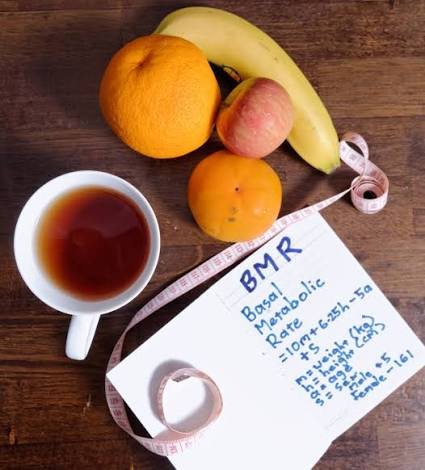
BMR can be estimated using mathematical equations. Several formulas exist, but one of the commonly used equations for estimating resting energy requirements is the Mifflin-St Jeor equation.
Mifflin-St Jeor Equation for Men
BMR = (10 × weight in kg) + (6.25 × height in cm) − (5 × age in years) + 5
Mifflin-St Jeor Equation for Women
BMR = (10 × weight in kg) + (6.25 × height in cm) − (5 × age in years) − 161
These equations provide estimates rather than direct measurements of metabolic rate.
Example of a BMR Calculation
Consider a hypothetical 30-year-old man weighing 80 kg and measuring 180 cm tall.
Using the Mifflin-St Jeor equation:
BMR = (10 × 80) + (6.25 × 180) − (5 × 30) + 5
That becomes:
BMR = 800 + 1,125 − 150 + 5
BMR = approximately 1,780 calories per day.
This does not mean the person should eat only 1,780 calories per day. It is an estimate of the energy required to support basic physiological functions under resting conditions.
How Is TDEE Calculated?
One common method for estimating TDEE is to multiply estimated BMR by an activity factor.
| Activity Level | Approximate Multiplier | General Description |
|---|---|---|
| Sedentary | 1.2 | Little or no structured exercise |
| Lightly active | 1.375 | Light exercise or activity several days per week |
| Moderately active | 1.55 | Moderate exercise or regular physical activity |
| Very active | 1.725 | Hard exercise or physically demanding activity |
| Extremely active | 1.9 | Very high activity levels or physically demanding work combined with exercise |
These multipliers are convenient estimates, not precise measurements.
Example of a TDEE Calculation
Suppose the hypothetical man above has an estimated BMR of approximately 1,780 calories.
If he is moderately active, an estimated TDEE could be calculated as:
1,780 × 1.55 = approximately 2,759 calories per day.
This suggests that his total daily energy expenditure may be around 2,760 calories per day.
However, his actual energy expenditure could be higher or lower. Metabolism is dynamic, and mathematical estimates cannot perfectly predict an individual’s real-world calorie requirements.
What Does Maintenance Calories Mean?
Maintenance calories refers to an approximate amount of energy intake that maintains body weight over time when energy intake and expenditure are relatively balanced.
If someone consistently consumes approximately the same amount of energy that they expend, body weight tends to remain relatively stable over time, although normal fluctuations still occur.
For example, if a person’s estimated TDEE is around 2,400 calories, consuming approximately 2,400 calories per day may result in relatively stable body weight for that individual.
However, this should not be interpreted as an exact daily target. Actual energy needs fluctuate from day to day.
Energy Balance and Body Weight
Body weight is influenced by the relationship between energy intake and energy expenditure, but this relationship is more complex than simply counting calories.
In broad terms:
- If energy intake is consistently greater than energy expenditure, body mass may increase over time.
- If energy intake is consistently lower than energy expenditure, body mass may decrease over time.
- If energy intake and expenditure are approximately balanced over time, body weight may remain relatively stable.
The body also adapts to changes in energy intake and body weight. Therefore, energy balance should be viewed over time rather than as a perfectly fixed equation for every individual day.
BMR and Weight Loss
BMR is particularly relevant when discussing weight loss because it represents a major component of daily energy expenditure.
However, BMR itself should not normally be treated as a calorie target for dieting.
Instead, a person’s estimated TDEE can provide a starting point for understanding their approximate daily energy requirements.
A person seeking weight loss may create a moderate calorie deficit by consuming less energy than they expend. The appropriate size of that deficit depends on factors including individual health, body composition, nutritional needs, activity level and goals.
A sustainable approach generally focuses not only on calorie intake but also on food quality, protein intake, fiber, micronutrients, hydration, physical activity, sleep and overall dietary patterns.
BMR and Weight Gain
The same principles apply when someone wants to gain body weight.
If energy expenditure is consistently higher than energy intake, gaining weight can be difficult. Increasing energy intake while maintaining a balanced and nutrient-rich diet may help create the energy surplus needed for weight gain.
People attempting to build muscle may also combine resistance training with adequate protein and sufficient energy intake.
Factors That Affect BMR
BMR is not the same for everyone. Numerous biological and environmental factors influence metabolic rate.
Body Size
Larger bodies generally require more energy to maintain than smaller bodies because more tissue requires metabolic support.
Lean Body Mass
Lean tissues, particularly metabolically active organs and muscle tissue, contribute significantly to resting energy expenditure.
Age
Metabolic rate often changes with age. Changes in body composition, muscle mass, hormonal factors and other physiological processes can contribute to changes in energy expenditure.
Sex
On average, men tend to have higher BMR values than women of the same body weight because of average differences in body size and lean mass. However, there is substantial individual variation.
Genetics
Genetic differences can contribute to variations in metabolic rate, body composition, appetite regulation and energy expenditure.
Hormones
Hormonal systems have important effects on metabolism. The thyroid gland, for example, produces hormones that influence metabolic processes.
Abnormal thyroid function can therefore affect energy expenditure and body weight.
Body Temperature and Environment
The body must maintain a relatively stable internal temperature. Environmental temperature can influence energy expenditure because the body may need to produce or dissipate heat.
Pregnancy and Lactation
Energy requirements can change during pregnancy and breastfeeding because the body is supporting additional physiological processes and, in the case of lactation, milk production.
Why Muscle Mass Matters
Muscle tissue contributes to resting energy expenditure, although popular discussions sometimes exaggerate how dramatically muscle increases daily calorie burn.
Building muscle can increase energy expenditure to some degree, but gaining muscle should not be viewed as a way to create a huge increase in daily calorie requirements overnight.
The benefits of resistance training extend far beyond calorie expenditure. It can support strength, physical function, bone health, muscle preservation and overall fitness.
How Physical Activity Changes TDEE
Physical activity can significantly increase total daily energy expenditure.
Someone with a relatively sedentary lifestyle may have a TDEE only moderately above their BMR, while someone who walks frequently, performs physical work and exercises regularly may have a substantially higher TDEE.
This is why two people with similar body sizes can have very different calorie requirements.
Exercise Is Only One Part of TDEE
It is easy to assume that exercise accounts for most of the calories burned each day, but this is not necessarily true.
BMR often represents the largest component of daily energy expenditure. NEAT can also make a substantial difference, particularly in people who move frequently throughout the day.
Someone who exercises for one hour but spends the remaining 23 hours sitting may have a different TDEE from someone who performs less formal exercise but walks and moves throughout the day.
The Importance of NEAT
Non-exercise activity thermogenesis is one of the most variable components of daily energy expenditure.
Consider two people who perform the same 30-minute workout. One person may spend most of the rest of the day sitting at a desk, while the other may spend the day walking, standing, cleaning, shopping and moving around.
Their total energy expenditures could therefore differ significantly despite identical workouts.
Increasing everyday movement can be a practical way to support overall physical activity without relying exclusively on structured exercise.
How Digestion Affects Energy Expenditure
Food does not provide energy without requiring some energy to process it.
The digestive system must break food down, absorb nutrients and transport them to tissues. The body then processes these nutrients through metabolic pathways.
This process contributes to the thermic effect of food.
Protein generally has a higher thermic effect than carbohydrates and fat, meaning the body uses more energy to process protein.
Does Eating More Frequently Increase Metabolism?
A common misconception is that eating many small meals automatically causes the metabolism to speed up.
Meal frequency itself does not necessarily produce a large increase in total daily energy expenditure when total calorie intake and macronutrient intake are similar.
Whether someone prefers three meals, four meals or several smaller meals can often be determined by hunger, schedule, culture, preferences and dietary goals.
Does Skipping Meals Slow Down Metabolism?
Skipping an occasional meal does not automatically cause the metabolism to stop or permanently slow down.
However, prolonged and substantial energy restriction can cause the body to adapt by reducing energy expenditure. Changes can occur through alterations in body weight, spontaneous physical activity, hormonal responses and other metabolic adaptations.
This is one reason aggressive dieting can become increasingly difficult to sustain.
Metabolic Adaptation
Metabolic adaptation refers to changes in energy expenditure that occur in response to changes in energy intake, body weight, body composition and other physiological conditions.
For example, when someone loses weight, their body becomes smaller and therefore generally requires less energy to maintain itself. They may also unconsciously move less or experience other physiological adaptations.
Consequently, the calorie intake that initially produced weight loss may eventually become closer to maintenance intake.
Why BMR Changes During Weight Loss
Weight loss can affect BMR for several reasons.
First, a smaller body generally requires less energy to maintain. Second, weight loss can involve changes in lean mass. Third, the body can make adaptive changes in energy expenditure.
This means that calorie requirements after substantial weight loss may be lower than they were before weight loss.
Can You Increase Your BMR?
There is no simple switch that dramatically increases BMR.
However, maintaining or increasing lean muscle mass through resistance training, consuming adequate nutrition and remaining physically active can support a healthy metabolism.
It is also important to address medical conditions that can affect metabolic function.
Claims that a particular food, drink or supplement can permanently and dramatically “boost metabolism” should be treated with caution.
BMR Calculators: How Accurate Are They?
BMR calculators are useful for obtaining an estimate, but they cannot perfectly determine an individual’s actual metabolic rate.
Two people of the same age, sex, height and weight can have different metabolic rates because of differences in body composition, genetics, hormones, physical activity and other factors.
Therefore, calculator results should be viewed as a starting point rather than an exact measurement.
How BMR Can Be Measured More Directly
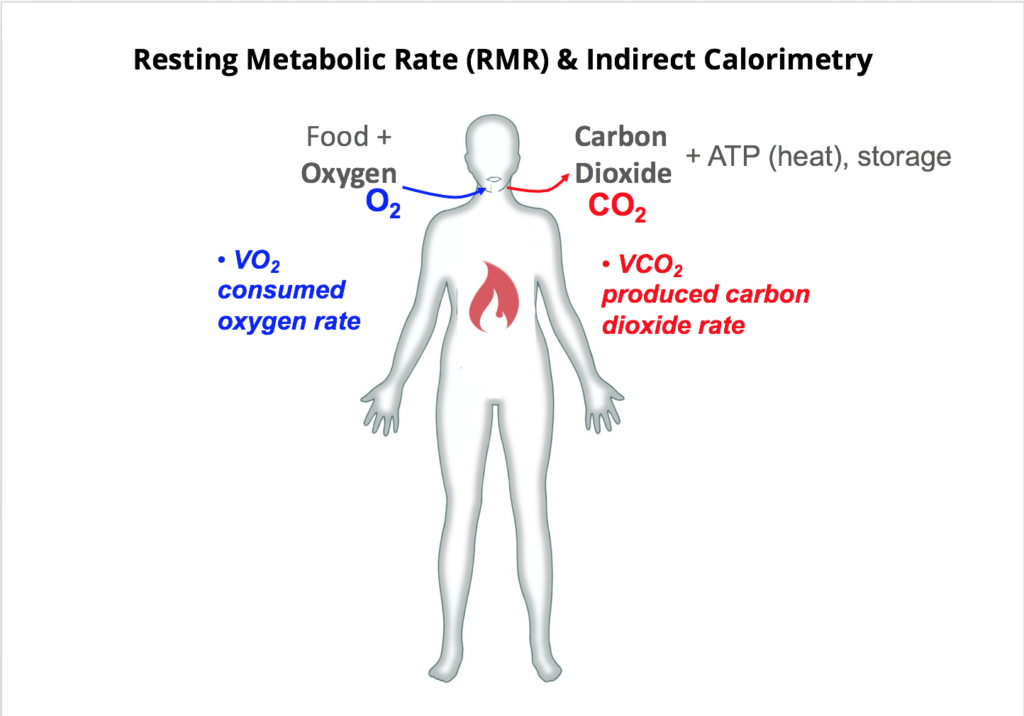
Metabolic rate can be assessed in specialized settings using techniques such as indirect calorimetry.
Indirect calorimetry estimates energy expenditure by measuring oxygen consumption and carbon dioxide production.
This approach can provide a more individualized estimate than a mathematical equation, although it is not normally necessary for the average person.
Why TDEE Estimates Can Be Wrong
TDEE calculators depend on several assumptions.
For example, an activity multiplier may classify someone as “moderately active,” but two people within that category can have very different lifestyles.
One person might perform structured exercise five times per week but sit for most of the day. Another might exercise only three times but work a physically demanding job.
Their actual TDEE could therefore be different.
How to Use TDEE as a Starting Point
Rather than treating a TDEE calculation as a perfect number, use it as an initial estimate.
For example, if a calculator estimates that your TDEE is approximately 2,400 calories per day, you can observe what happens to your body weight and performance over several weeks while consuming a reasonably consistent amount of food.
If your weight remains relatively stable, the estimate may be reasonably close to your actual average energy expenditure.
If your weight consistently changes, your actual energy balance is different from the estimate.
Calories Are Not the Whole Story
Energy balance is important, but nutrition is about much more than calories.
Two diets can contain the same number of calories but have very different nutritional qualities.
For example, a nutrient-dense diet can provide:
- Protein
- Fiber
- Essential fatty acids
- Vitamins
- Minerals
- Phytonutrients
- Water
Therefore, calorie intake should be considered alongside overall dietary quality.
Energy Density and TDEE
Energy density describes the amount of energy provided by a particular weight of food.
Foods high in fat tend to have greater energy density because fat provides approximately 9 calories per gram. Foods with high water and fiber content often have lower energy density.
Understanding energy density can help people build meals that provide substantial volume and nutrients without excessive energy intake.
Protein, Carbohydrates and Fat
The three major macronutrients contribute different amounts of energy.
| Nutrient | Approximate Energy |
|---|---|
| Carbohydrate | 4 kcal per gram |
| Protein | 4 kcal per gram |
| Fat | 9 kcal per gram |
| Alcohol | 7 kcal per gram |
These values help explain why foods containing large amounts of dietary fat can be energy dense.
Why Sleep Matters for Energy Regulation
Sleep is not normally included as a separate component of TDEE, but it plays an important role in systems that regulate appetite, physical activity and metabolic health.
Poor sleep can affect hunger, food choices, energy levels and physical activity. For this reason, adequate sleep is an important part of a healthy approach to body weight and nutrition.
Stress and Energy Balance
Stress can influence eating behavior, sleep, physical activity and hormonal processes.
Some people eat more when stressed, while others experience reduced appetite. Stress may therefore affect energy balance indirectly through behavior and physiology.
Hydration and Metabolism
Water is essential for numerous metabolic processes. Severe dehydration can impair physical and physiological function.
Drinking adequate fluids supports normal body function, but claims that drinking large amounts of water dramatically increases metabolism should be viewed critically.
Common Myths About BMR and TDEE
Myth 1: BMR Is the Number of Calories You Should Eat
Not necessarily. BMR represents basic energy requirements under resting conditions. Daily calorie needs are generally higher because normal life involves movement, digestion and other activities.
Myth 2: A Fast Metabolism Automatically Prevents Weight Gain
Metabolism is only one part of energy balance. Appetite, food intake, physical activity, body composition and other factors also matter.
Myth 3: Eating Certain Foods Can Permanently Boost BMR
No single food is capable of permanently transforming a person’s metabolism. Some foods may temporarily influence energy expenditure, but their effects are generally modest.
Myth 4: Exercise Calories Are Always Accurate
Fitness trackers and exercise machines estimate energy expenditure. Their numbers can differ from actual calorie expenditure and should not be treated as exact measurements.
Myth 5: Everyone With the Same BMR Has the Same TDEE
Not necessarily. Two people with similar BMR estimates may have different levels of physical activity, NEAT and thermic effect of food.
BMR, TDEE and Fitness Goals
BMR and TDEE can be useful for several goals, including:
- Weight management
- Sports nutrition planning
- Understanding calorie requirements
- Planning a gradual calorie deficit
- Planning a controlled calorie surplus
- Understanding changes in energy needs
However, calculations should be combined with real-world observations and, when appropriate, professional nutritional guidance.
How to Support Healthy Metabolic Function
Instead of focusing on “boosting” metabolism, it is more useful to focus on maintaining healthy metabolic function.
Important habits include:
- Eating a balanced and nutrient-rich diet
- Consuming adequate protein
- Eating a variety of fruits and vegetables
- Consuming appropriate amounts of whole grains and other high-fiber foods
- Performing resistance training
- Maintaining regular physical activity
- Getting sufficient sleep
- Managing stress
- Maintaining a healthy body composition
- Avoiding unnecessary extreme diets
When to Seek Professional Advice
If you are experiencing unexplained weight changes, persistent fatigue, unusual changes in appetite, intolerance to cold or heat, or other symptoms that could indicate an underlying medical condition, it is important to speak with a qualified healthcare professional.
Conditions involving the thyroid, hormones, medications and other aspects of health can influence metabolism and body weight.
People who are pregnant, breastfeeding, recovering from an eating disorder, managing a chronic disease or following a medically prescribed diet should also seek individualized professional guidance rather than relying solely on online calorie calculators.
Frequently Asked Questions About BMR and TDEE
What is BMR?
BMR, or basal metabolic rate, is the estimated amount of energy the body requires to maintain essential physiological functions under resting and controlled conditions.
What is TDEE?
TDEE, or total daily energy expenditure, is the total amount of energy a person uses during an entire day. It includes basal metabolism, physical activity, exercise, non-exercise movement and the thermic effect of food.
Is TDEE higher than BMR?
For most people, yes. TDEE includes the energy used for everyday movement, exercise and digestion in addition to the energy required for basic physiological functions.
What is a normal BMR?
There is no single normal BMR. It varies according to factors such as body size, age, sex, body composition and other physiological characteristics.
Can I calculate my BMR at home?
Yes. Equations such as the Mifflin-St Jeor equation can provide an estimate using your age, sex, height and weight.
Can I calculate TDEE from BMR?
Yes. A common approach is to multiply estimated BMR by an activity factor. However, the resulting number is an estimate rather than a precise measurement.
Does building muscle increase BMR?
Increasing lean mass can increase resting energy expenditure, although the increase should not be exaggerated. Resistance training has many additional benefits beyond its effect on calorie expenditure.
Does cardio increase TDEE?
Yes. Cardio and other forms of physical activity can increase total daily energy expenditure, although the amount depends on exercise intensity, duration, frequency and individual characteristics.
Why are two people with the same weight able to eat different amounts of food?
Body weight alone does not determine energy needs. Differences in height, age, sex, body composition, physical activity, NEAT, metabolism and other factors can result in different calorie requirements.
Can metabolism slow down during weight loss?
Energy expenditure can decrease during weight loss because a smaller body generally requires less energy, and additional metabolic adaptations may occur. This can make continued weight loss progressively more difficult.
Is BMR the same as metabolism?
No. BMR is one measurement or estimate of resting energy expenditure. Metabolism refers more broadly to the chemical processes occurring throughout the body that maintain life.
Can I use my TDEE to lose weight?
TDEE can provide a useful starting estimate for understanding your energy requirements. A sustainable weight-management plan should also consider food quality, nutritional adequacy, physical activity, health conditions and individual circumstances.
Conclusion
Basal metabolic rate and total daily energy expenditure provide useful frameworks for understanding how the body uses energy. BMR represents the energy required to support essential physiological functions at rest, while TDEE represents the total energy used throughout an entire day.
TDEE includes basal metabolism as well as exercise, everyday movement, non-exercise activity and the thermic effect of food. Because these components vary considerably between people, calorie requirements cannot be determined accurately from body weight alone.
BMR and TDEE calculators can therefore be useful starting points rather than absolute measurements. The most useful approach is to combine these estimates with an understanding of nutrition, physical activity, sleep, body composition and long-term changes in body weight.
Most importantly, healthy metabolism is not simply about burning as many calories as possible. The goal should be to support the body’s physiological needs through adequate nutrition, regular physical activity, sufficient sleep and sustainable lifestyle habits.
Sources and References
- National Institute of Diabetes and Digestive and Kidney Diseases (NIDDK) – Weight Management
- NIDDK – Maintaining a Healthy Weight
- NCBI Bookshelf – Energy Requirements
- NCBI Bookshelf – Dietary Reference Intakes for Energy
- Food and Agriculture Organization (FAO) – Human Energy Requirements
- World Health Organization (WHO) – Physical Activity
- U.S. Centers for Disease Control and Prevention (CDC) – Healthy Weight
- Mifflin MD et al. – A New Predictive Equation for Resting Energy Expenditure in Healthy Individuals