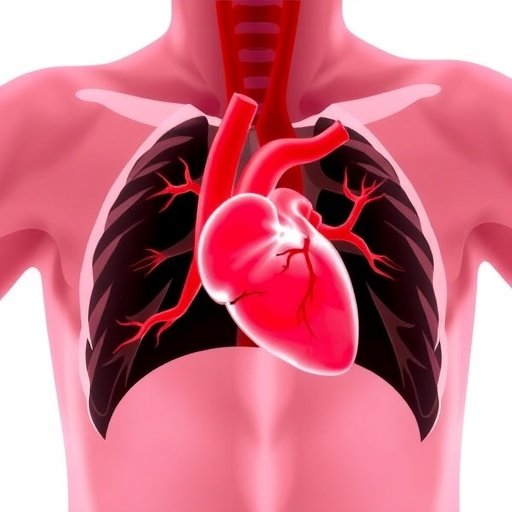
Cardiovascular diseases are among the most serious health problems worldwide, affecting the heart and blood vessels and contributing to millions of deaths every year. Although factors such as age, genetics, smoking, physical inactivity, high blood pressure, diabetes, and cholesterol can influence cardiovascular health, nutrition is one of the most important lifestyle factors that people can modify.
The foods we eat can influence blood pressure, blood cholesterol, blood glucose, body weight, inflammation, and other factors associated with cardiovascular risk. A heart-healthy diet does not require expensive or unusual foods. Instead, it emphasizes a variety of vegetables, fruits, legumes, whole grains, nuts, seeds, fish, and other nutrient-rich foods while reducing excessive amounts of salt, added sugars, saturated fats, trans fats, and highly processed foods.
Table of Contents
The World Health Organization identifies unhealthy diet, physical inactivity, tobacco use, and harmful alcohol use among the major behavioral risk factors for cardiovascular disease. WHO also recommends reducing salt, eating more fruits and vegetables, and choosing healthier types of dietary fat as part of cardiovascular disease prevention. WHO
What Are Cardiovascular Diseases?
Cardiovascular diseases, commonly abbreviated as CVDs, are a group of disorders affecting the heart and blood vessels.
They include several conditions, such as:
- Coronary heart disease.
- Heart attacks.
- Stroke and cerebrovascular disease.
- Heart failure.
- Peripheral artery disease.
- Rheumatic heart disease.
- Congenital heart disease.
- Other disorders affecting the heart and blood vessels.
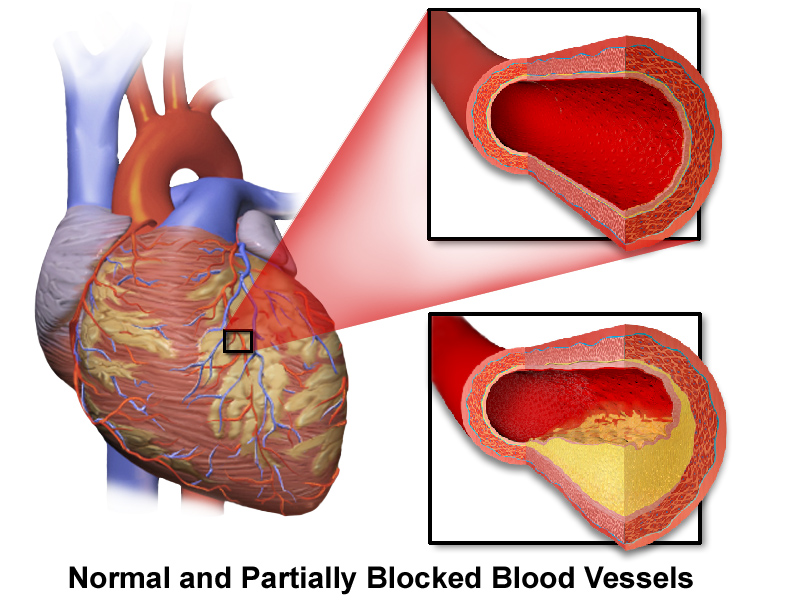
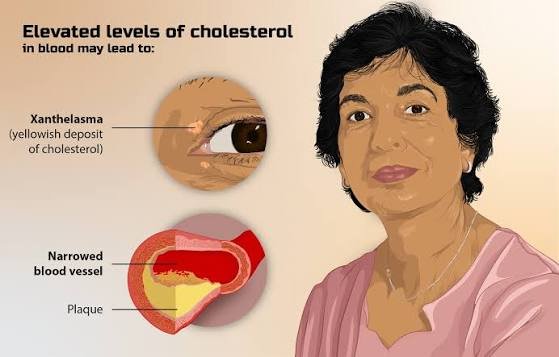
Cardiovascular disease can develop gradually over many years. For example, atherosclerosis occurs when fatty deposits and other substances accumulate within artery walls, potentially narrowing or blocking blood vessels.
High blood pressure, unhealthy cholesterol levels, diabetes, obesity, smoking, physical inactivity, and an unhealthy diet can all contribute to cardiovascular risk.
Why Nutrition Matters for Heart Health
Nutrition affects many of the biological processes involved in cardiovascular health.
A person’s diet can influence:
- Blood pressure.
- LDL cholesterol.
- Triglyceride levels.
- Blood glucose.
- Body weight.
- Energy balance.
- Dietary fiber intake.
- Sodium intake.
- Saturated fat intake.
- Trans fat intake.
- Overall diet quality.
For example, regularly consuming excessive sodium can contribute to elevated blood pressure, while replacing some saturated fats with unsaturated fats can support healthier blood lipid profiles.
Likewise, diets rich in vegetables, fruits, legumes, whole grains, and nuts provide fiber, vitamins, minerals, and other compounds associated with better cardiovascular health.
The Connection Between Diet and Cardiovascular Risk
Cardiovascular disease rarely develops because of a single meal or a single food. Risk is usually influenced by long-term patterns involving diet, physical activity, tobacco exposure, alcohol use, body weight, genetics, medical conditions, and other factors.
This is why focusing on dietary patterns is often more useful than labeling individual foods as simply “good” or “bad.”
The American Heart Association recommends a dietary pattern centered on vegetables and fruits, whole grains, healthy protein sources, minimally processed foods, liquid plant oils, and foods prepared with little or no salt. It also recommends minimizing added sugars and limiting or avoiding alcohol. American Heart Association
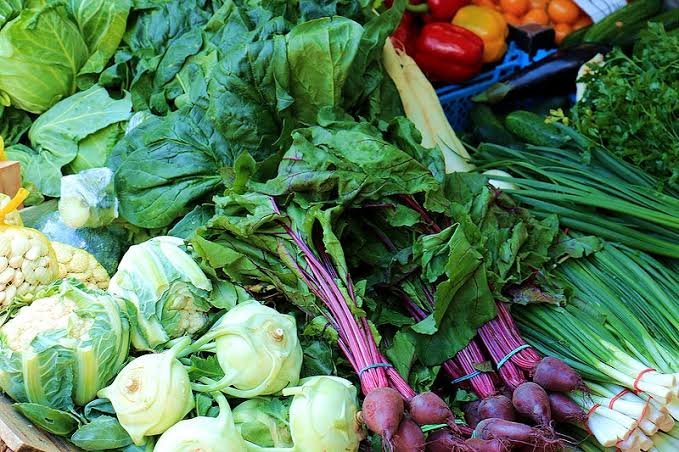
Vegetables and Heart Health
Vegetables should be a major part of a heart-healthy diet.
They provide dietary fiber, potassium, folate, vitamins, minerals, antioxidants, and numerous plant compounds.
Examples include:
- Spinach.
- Kale.
- Cabbage.
- Broccoli.
- Carrots.
- Tomatoes.
- Bell peppers.
- Green beans.
- Eggplant.
- Okra.
- Onions.
- Cauliflower.
Eating a variety of vegetables also makes it easier to obtain a broad range of nutrients.
Fresh vegetables are excellent choices, but frozen vegetables can also be nutritious. Canned vegetables may also fit into a healthy diet, particularly when varieties with little or no added sodium are selected.
Fruit and Cardiovascular Health
Whole fruits can be an important part of a heart-healthy eating pattern.
Fruits provide fiber, vitamins, minerals, water, and naturally occurring plant compounds.
Examples include:
- Apples.
- Oranges.
- Bananas.
- Mangoes.
- Guavas.
- Papayas.
- Berries.
- Avocados.
- Pears.
- Watermelon.
Eating whole fruit is generally preferable to consuming large quantities of sugary fruit drinks or juice because whole fruit retains its natural structure and fiber.
WHO recommends eating a variety of fruits and vegetables as part of a healthy dietary pattern and notes their association with lower risk of cardiovascular disease and other chronic conditions.
Whole Grains and Heart Health
Whole grains contain more of the grain’s natural components than refined grains and can provide fiber, vitamins, minerals, and other nutrients.
Examples include:
- Oats.
- Brown rice.
- Whole-grain maize products.
- Whole-wheat bread.
- Whole-grain pasta.
- Barley.
- Millet.
- Sorghum.
Whole grains can be incorporated into meals in place of some highly refined grains.
For example, brown rice can sometimes replace white rice, while whole-grain bread can replace highly refined bread.
This does not mean refined grains must be completely eliminated. The overall dietary pattern and portion sizes remain important.
Legumes and Cardiovascular Health
Beans, peas, chickpeas, lentils, and other legumes are valuable foods for cardiovascular nutrition.
They provide plant protein, fiber, vitamins, minerals, and complex carbohydrates.
Legumes can also be an affordable alternative to some animal protein sources.
Examples include:
- Kidney beans.
- Black beans.
- Cowpeas.
- Chickpeas.
- Lentils.
- Green peas.
- Soybeans.
When buying canned legumes, choosing products with lower sodium or rinsing them before consumption can help reduce sodium intake.
Nuts and Seeds for Heart Health
Nuts and seeds provide unsaturated fats, protein, fiber, magnesium, and other nutrients.
Examples include:
- Peanuts.
- Almonds.
- Walnuts.
- Cashews.
- Pumpkin seeds.
- Sunflower seeds.
- Chia seeds.
- Flaxseeds.
- Sesame seeds.
Because nuts and seeds are relatively energy-dense, moderate portions are generally appropriate.
Unsalted varieties are particularly useful when sodium intake needs to be reduced.
The Importance of Dietary Fiber
Dietary fiber is found primarily in plant foods and is an important component of a heart-conscious eating pattern.
Good sources include:
- Vegetables.
- Whole fruits.
- Beans.
- Lentils.
- Whole grains.
- Nuts.
- Seeds.
Increasing fiber-rich foods can improve overall dietary quality and help replace highly processed foods that are often higher in refined carbohydrates, added sugars, sodium, or unhealthy fats.
People who currently consume very little fiber should increase intake gradually and maintain adequate fluid intake to reduce digestive discomfort.
Understanding Dietary Fat
Dietary fat is essential for the body. It helps provide energy, supports cell membranes, assists absorption of certain vitamins, and contributes to hormone and other biological processes.
However, the type of fat matters.
Dietary fats can broadly be categorized as:
- Monounsaturated fats.
- Polyunsaturated fats.
- Saturated fats.
- Trans fats.
Heart-healthy nutrition generally emphasizes unsaturated fats while limiting saturated fats and avoiding industrially produced trans fats.
Unsaturated Fats
Unsaturated fats are found in foods such as fish, nuts, seeds, avocado, and many plant oils.
Examples of foods containing unsaturated fats include:
- Avocado.
- Peanuts.
- Almonds.
- Walnuts.
- Sunflower seeds.
- Sesame seeds.
- Fatty fish.
- Sunflower oil.
- Soybean oil.
- Canola oil.
- Olive oil.
Replacing some sources of saturated fat with unsaturated fat can be a useful component of cardiovascular nutrition.
Saturated Fat and Heart Health
Saturated fats occur naturally in many animal foods and some tropical plant oils.
Common sources include:
- Fatty cuts of meat.
- Butter.
- Ghee.
- Lard.
- Cream.
- Some cheeses.
- Coconut oil.
- Palm oil.
WHO recommends limiting saturated fat and replacing it with unsaturated fats or, in appropriate circumstances, carbohydrates from naturally fiber-rich foods such as whole grains, fruits, vegetables, and pulses.
This does not mean that every food containing saturated fat must be completely eliminated. The goal is to reduce excessive intake and improve the overall quality of dietary fat.
Trans Fats and Cardiovascular Disease
Industrial trans fats are particularly undesirable from a cardiovascular health perspective.
They may be present in some processed, baked, fried, or packaged foods, particularly where partially hydrogenated oils are used.
WHO recommends avoiding industrially produced trans fats.
Reading ingredient labels can help consumers identify partially hydrogenated oils where they are listed.
Why Sodium Matters for Heart Health
Sodium is an essential mineral, but consuming too much can contribute to elevated blood pressure in many people.
High blood pressure is a major risk factor for heart disease and stroke.
WHO recommends that adults consume less than 5 grams of salt per day, equivalent to less than 2 grams of sodium per day. WHO Sodium Reduction Guidance
Reducing sodium does not necessarily mean simply removing the salt shaker from the table. Sodium can also come from processed and packaged foods, sauces, stock cubes, processed meats, salty snacks, and other products.
How to Reduce Sodium Intake
Practical strategies include:
- Use less salt during cooking.
- Limit salty processed meats.
- Reduce consumption of salty snacks.
- Choose lower-sodium canned foods when available.
- Rinse canned beans and vegetables.
- Use herbs and spices to add flavor.
- Limit highly salted sauces and condiments.
- Compare sodium levels on food labels.
- Reduce dependence on stock cubes and highly salted seasoning products.
Reducing sodium gradually can help the palate adapt to less salty food.
Potassium and Blood Pressure
Potassium is another mineral relevant to blood pressure and cardiovascular health.
Many fruits, vegetables, legumes, and other plant foods provide potassium.
However, people with kidney disease or certain medical conditions may need to restrict potassium. Individuals with kidney problems should not deliberately increase potassium intake or use potassium-containing salt substitutes without medical advice.
Added Sugar and Heart Health
Large amounts of added sugar can make it more difficult to maintain a healthy overall diet and may contribute to excess calorie intake and weight gain.
Common sources include:
- Sugar-sweetened soft drinks.
- Sweetened juices and fruit drinks.
- Cakes.
- Cookies.
- Candy.
- Sweetened breakfast cereals.
- Sweetened dairy products.
- Sweetened tea and coffee.
- Many packaged desserts.
Reducing sugary drinks is one of the simplest ways to reduce added sugar consumption.
Water and Heart Health
Water is essential for normal physiological function and is generally the best choice for hydration.
Replacing sugar-sweetened beverages with water can reduce unnecessary added sugar and calorie intake.
Unsweetened tea and coffee can also fit into many healthy dietary patterns, although the amount of sugar, cream, or other additions matters.
Fish and Cardiovascular Health
Fish can be an important source of protein and, depending on the type, omega-3 fatty acids.
Fatty fish such as sardines, salmon, mackerel, and certain other fish are particularly rich in long-chain omega-3 fatty acids.
Fish can be used as an alternative to some sources of red or processed meat.
Preparation method matters. Grilling, baking, steaming, or roasting fish can be preferable to deep-frying.
Red Meat and Processed Meat
Red meat can provide protein, iron, zinc, and other nutrients, but excessive consumption may make it harder to maintain a dietary pattern low in saturated fat.
Processed meats such as sausages, bacon, ham, and some cured meats can also contain substantial amounts of sodium and saturated fat.
A heart-conscious eating pattern can emphasize fish, legumes, nuts, seeds, and other healthy protein sources while limiting processed meats.
Dairy Foods and Heart Health
Dairy products can provide protein, calcium, and other nutrients.
Depending on individual dietary needs and preferences, lower-fat dairy products can be useful choices, particularly when full-fat dairy products would substantially increase saturated fat intake.
People who do not consume dairy can obtain calcium and other nutrients from fortified plant-based alternatives and other foods.
Eggs and Cardiovascular Health
Eggs provide protein and several important nutrients. For many people, eggs can fit within an overall heart-healthy dietary pattern.
However, the overall meal and dietary pattern matter. An egg served with vegetables and whole grains is nutritionally different from eggs routinely consumed alongside large amounts of processed meat, refined carbohydrates, and foods high in saturated fat.
Processed Foods and Heart Health
Highly processed foods vary considerably in nutritional quality. Some can be part of a balanced diet, while others contain high amounts of sodium, added sugar, saturated fat, or refined carbohydrates.
Common examples of foods that may warrant limitation include:
- Highly processed snack foods.
- Many packaged desserts.
- Processed meats.
- Deep-fried fast foods.
- Sugar-sweetened beverages.
- Highly salted convenience meals.
WHO notes that diets containing significant amounts of highly processed foods are often associated with high sodium, sugar, or unhealthy fat intake.
Alcohol and Cardiovascular Health
Alcohol consumption can affect cardiovascular health in several ways. Excessive alcohol intake can contribute to high blood pressure and other health problems.
The American Heart Association recommends limiting or avoiding alcohol rather than using alcohol as a strategy to improve heart health.
People who do not drink alcohol should not begin drinking for cardiovascular benefits.
Body Weight and Heart Health
Maintaining a healthy body weight can help reduce several cardiovascular risk factors.
Excess body weight is associated with conditions such as high blood pressure, abnormal cholesterol levels, and type 2 diabetes, all of which can increase cardiovascular risk.
A nutritious eating pattern combined with regular physical activity can help support healthy weight management.
Weight management should focus on sustainable lifestyle changes rather than extreme diets or rapid weight-loss programs.
The Mediterranean-Style Eating Pattern
The Mediterranean-style eating pattern is often associated with cardiovascular health.
It typically emphasizes:
- Vegetables.
- Fruits.
- Whole grains.
- Beans and legumes.
- Nuts and seeds.
- Fish and seafood.
- Unsaturated plant oils.
- Moderate amounts of dairy and other animal foods.
- Limited highly processed foods.
The important lesson is not necessarily to copy another country’s cuisine. Instead, the principles can be adapted to locally available foods and cultural preferences.
Other Heart-Healthy Dietary Patterns
Several dietary approaches can support cardiovascular health when they emphasize minimally processed, nutrient-dense foods and limit excessive sodium, added sugars, saturated fats, and trans fats.
Examples include:
- Mediterranean-style eating.
- DASH-style eating.
- Plant-forward eating patterns.
- Other balanced dietary patterns rich in vegetables, fruits, legumes, whole grains, nuts, seeds, and healthy protein sources.
The best dietary pattern is often the one a person can maintain consistently while meeting their nutritional and medical needs.
Heart-Healthy Cooking Methods
Cooking methods can affect the amount of added fat and calories in meals.
Useful methods include:
- Steaming.
- Boiling.
- Baking.
- Grilling.
- Roasting.
- Poaching.
- Stewing.
- Stir-frying with a modest amount of unsaturated oil.
Deep-frying does not automatically make a food unhealthy, but frequent consumption of deep-fried foods can increase calorie intake and may increase exposure to unhealthy fats depending on the food and cooking oil.
A Simple Heart-Healthy Plate
One practical way to improve meals is to build a plate around vegetables, a healthy protein source, and a high-quality carbohydrate.
For example:
- Half the plate: vegetables.
- One-quarter: fish, beans, lentils, poultry, or another healthy protein.
- One-quarter: whole grains or another minimally processed carbohydrate.
- Small amount: healthy fat such as avocado, nuts, seeds, or plant oil.
Water can be used as the primary beverage.
Example of a Heart-Healthy Daily Menu
| Meal | Example |
|---|---|
| Breakfast | Oatmeal topped with fresh fruit and a small serving of unsalted nuts. |
| Lunch | Beans or grilled fish with a large serving of vegetables and a moderate portion of brown rice or another whole grain. |
| Snack | Fresh fruit with a small serving of unsalted nuts or seeds. |
| Dinner | Grilled fish, beans, or skinless poultry with vegetables and a moderate portion of whole grains or starchy vegetables. |
| Drinks | Water and other unsweetened beverages. |
This is a general example rather than a personalized medical diet. Individual nutritional needs vary depending on age, activity, medical conditions, medications, allergies, cultural preferences, and other factors.
Nutrition for People With High Blood Pressure
People with hypertension should pay particular attention to sodium intake and overall dietary quality.
Reducing highly salted foods while increasing vegetables, fruits, legumes, and other nutrient-rich foods can support a heart-conscious diet.
However, diet should complement medical treatment rather than replace prescribed blood pressure medication.
Nutrition for People With High Cholesterol
People with elevated cholesterol may benefit from a dietary pattern that emphasizes fiber-rich plant foods and healthier unsaturated fats while reducing excessive saturated and trans fats.
Foods such as oats, beans, lentils, vegetables, fruits, nuts, seeds, and whole grains can contribute to a higher-fiber eating pattern.
If cholesterol levels remain elevated despite dietary changes, medication may be necessary. Nutrition should therefore be considered one component of comprehensive cardiovascular care.
Nutrition and Diabetes-Related Heart Risk
Type 2 diabetes is an important cardiovascular risk factor. High blood glucose can damage blood vessels and contribute to cardiovascular complications.
For people with diabetes, heart-healthy nutrition should address both blood glucose and cardiovascular risk.
This generally means emphasizing vegetables, whole foods, fiber-rich carbohydrates, healthy fats, appropriate portions, and nutrient-dense protein sources while limiting sugary drinks, excessive refined carbohydrates, and highly processed foods.
How to Improve Your Diet Gradually
Changing your diet does not require changing everything at once.
Small improvements can be easier to maintain.
Start With Vegetables
Add an extra serving of vegetables to lunch or dinner.
Replace Sugary Drinks
Replace soda or other sugar-sweetened drinks with water or unsweetened beverages.
Reduce Salt
Gradually decrease the amount of salt used during cooking and at the table.
Choose Whole Grains
Replace some refined grains with whole grains when practical.
Eat More Legumes
Include beans, lentils, peas, or chickpeas more frequently as protein and fiber sources.
Choose Healthier Fats
Use unsaturated plant oils and include foods such as nuts, seeds, avocado, and fish while reducing excessive saturated fat.
Limit Processed Meat
Reduce frequent consumption of sausages, bacon, cured meats, and other processed meats.
Heart Health Is About More Than Diet
Nutrition is extremely important, but diet is only one part of cardiovascular disease prevention.
Other important factors include:
- Regular physical activity.
- Not smoking.
- Maintaining a healthy body weight.
- Managing blood pressure.
- Managing cholesterol.
- Managing diabetes.
- Getting adequate sleep.
- Limiting harmful alcohol consumption.
- Following prescribed medications.
- Attending recommended health screenings.
WHO identifies unhealthy diet, physical inactivity, tobacco use, and harmful alcohol use as important behavioral cardiovascular risk factors.
Common Myths About Nutrition and Heart Disease
Myth 1: All Fat Is Bad for the Heart
This is incorrect. The type of fat matters. Unsaturated fats from foods such as fish, nuts, seeds, avocado, and many plant oils can be part of a heart-healthy diet.
Myth 2: You Must Avoid All Carbohydrates
Not all carbohydrates are nutritionally equivalent. Whole grains, fruits, vegetables, and legumes provide important nutrients and fiber.
Myth 3: Only Older Adults Need to Worry About Heart Health
Cardiovascular risk develops over time, and healthy habits established earlier in life can contribute to long-term health.
Myth 4: Supplements Can Replace a Healthy Diet
Supplements cannot generally substitute for a varied diet. Most people should prioritize nutrient-rich foods unless a healthcare professional recommends supplementation for a specific reason.
Myth 5: Expensive Superfoods Are Necessary
A heart-healthy diet can be built from affordable foods such as beans, lentils, seasonal vegetables, whole grains, fruits, seeds, and locally available fish.
How to Shop for a Heart-Healthy Diet
Planning before shopping can make healthy eating easier.
Build your shopping list around:
- Fresh or frozen vegetables.
- Fresh or frozen fruits.
- Beans and lentils.
- Whole grains.
- Fish.
- Lean protein sources.
- Unsalted nuts and seeds.
- Healthy plant oils.
- Low-sodium options where available.
When purchasing packaged foods, compare nutrition labels and pay attention to sodium, saturated fat, trans fat, added sugar, fiber, and serving size.
Nutrition and Cardiovascular Disease in Older Adults
Older adults may have different nutritional requirements because of changes in appetite, digestion, muscle mass, physical activity, medications, and chronic diseases.
Heart-healthy eating should therefore not come at the expense of adequate protein, calories, vitamins, minerals, and hydration.
Older adults with kidney disease, heart failure, diabetes, or other conditions may require individualized nutrition advice.
When to Seek Professional Nutrition Advice
A registered dietitian or qualified healthcare professional can help personalize a heart-healthy eating plan.
Professional guidance may be particularly useful if you have:
- Heart disease.
- High blood pressure.
- High cholesterol.
- Diabetes.
- Kidney disease.
- Heart failure.
- Obesity.
- Food allergies or intolerances.
- Multiple medications.
- Difficulty meeting nutritional needs.
People with diagnosed cardiovascular disease should not make major dietary or medication changes without discussing them with their healthcare team.
Frequently Asked Questions About Nutrition and Heart Health
What is the best diet for heart health?
There is no single diet that is best for everyone. A heart-healthy pattern generally emphasizes vegetables, fruits, whole grains, legumes, nuts, seeds, fish or other healthy protein sources, and unsaturated fats while limiting excess sodium, added sugars, saturated fats, trans fats, and highly processed foods.
What foods are best for preventing heart disease?
Vegetables, fruits, legumes, whole grains, nuts, seeds, fish, and other nutrient-dense foods can form the foundation of a heart-conscious eating pattern.
What foods should be avoided with heart disease?
People with heart disease are generally advised to limit foods that are high in sodium, saturated fat, industrial trans fat, added sugars, and excessive calories. Individual restrictions should be determined with a healthcare professional.
Is salt bad for the heart?
Sodium is essential, but excessive sodium intake can raise blood pressure, which increases cardiovascular risk. WHO recommends that adults consume less than 5 grams of salt per day.
Is olive oil good for the heart?
Olive oil is rich in unsaturated fat and can be part of a heart-healthy dietary pattern. It should still be consumed in appropriate amounts because all oils are calorie-dense.
Are eggs bad for your heart?
Eggs can fit into a balanced diet for many people. Overall dietary pattern, individual health conditions, and the foods eaten alongside eggs are important considerations.
Can eating vegetables reduce cardiovascular risk?
A diet rich in vegetables and fruits is associated with better cardiovascular health and lower risk of several chronic diseases. Vegetables also provide fiber, potassium, vitamins, minerals, and other beneficial compounds.
Can heart disease be prevented through diet?
Many cardiovascular diseases can be prevented or their risk reduced through a combination of healthy diet, physical activity, not smoking, healthy weight management, blood pressure and cholesterol control, and appropriate medical care.
Is fish better than red meat for heart health?
Fish can be a useful protein choice, particularly fatty fish that provide omega-3 fatty acids. Replacing some red or processed meat with fish or plant-based protein sources can be part of a heart-healthy eating pattern.
How much fruit and vegetables should I eat?
WHO recommends at least 400 grams, or approximately five portions, of fruits and vegetables per day for adults and children over five years old as part of a healthy diet. Individual dietary requirements can vary.
Conclusion
Nutrition plays a fundamental role in cardiovascular health. While no single food can guarantee protection against heart disease, long-term dietary patterns can significantly influence important risk factors such as blood pressure, cholesterol, blood glucose, body weight, and overall metabolic health.
A heart-healthy diet should emphasize vegetables, fruits, legumes, whole grains, nuts, seeds, fish, and other nutritious sources of protein. Unsaturated fats should generally be preferred over saturated fats, while industrial trans fats should be avoided. Excess sodium, added sugars, highly processed foods, and excessive amounts of saturated fat should be limited.
Healthy eating does not have to be expensive, complicated, or disconnected from local food traditions. Beans, lentils, vegetables, fruits, whole grains, locally available fish, nuts, seeds, and other minimally processed foods can form the foundation of a nutritious diet in many different cultures and regions.
Ultimately, protecting the heart is about the overall pattern rather than perfection. Making consistent improvements to food choices, portion sizes, cooking methods, physical activity, and other lifestyle factors can contribute to better cardiovascular health over the long term.
Sources and References
- World Health Organization — Cardiovascular Diseases
- World Health Organization — Cardiovascular Diseases Fact Sheet
- World Health Organization — Healthy Diet
- World Health Organization — Sodium Reduction
- World Health Organization — Guideline on Saturated Fatty Acids and Trans-Fatty Acids
- American Heart Association — Dietary Guidance to Improve Cardiovascular Health
- American Heart Association — 2021 Dietary Guidance to Improve Cardiovascular Health
- Centers for Disease Control and Prevention — Heart Disease Risk Factors
1 Comment