
Undernutrition occurs when the body does not receive enough energy, protein, vitamins, minerals, or other essential nutrients needed for healthy growth and normal body functions. It is an important form of malnutrition that can affect infants, children, teenagers, adults, pregnant women, and older people.
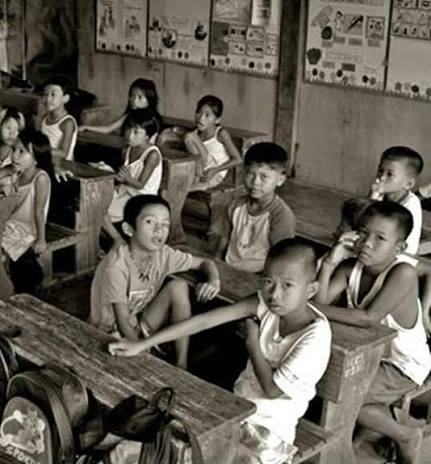
Undernutrition is often associated with not having enough food, but food quantity is only one part of the problem. A person can eat regularly and still become undernourished if their diet lacks essential nutrients, if their body cannot absorb nutrients properly, or if an illness increases their nutritional requirements.
Table of Contents
If left untreated, undernutrition can cause weight loss, muscle wasting, weakness, weakened immunity, delayed wound healing, impaired growth, and other serious health complications.
What Is It?
Undernutrition is a condition that occurs when the body receives insufficient energy or nutrients to meet its physiological needs.
Essential nutrients include:
- Protein
- Carbohydrates
- Fats
- Vitamins
- Minerals
- Water
The body needs these nutrients to produce energy, build and repair tissues, maintain the immune system, support brain function, and regulate vital biological processes.
Undernutrition may develop because a person is not eating enough, is consuming a nutritionally inadequate diet, has difficulty digesting or absorbing nutrients, or has a medical condition that increases nutritional requirements.
Undernutrition is one component of the broader condition known as malnutrition.
Undernutrition vs. Malnutrition
The terms undernutrition and malnutrition are related but do not mean exactly the same thing.
Malnutrition is a broad term covering problems caused by inadequate, excessive, or imbalanced nutrition.
It can include:
- Undernutrition
- Wasting
- Stunting
- Underweight
- Micronutrient deficiencies
- Overweight
- Obesity
- Diet-related diseases
Therefore, undernutrition is a specific type of malnutrition involving insufficient energy or nutrient intake or inadequate nutrient utilization.
Types of Undernutrition
Undernutrition can occur in different forms depending on the duration, severity, and nutrients involved.
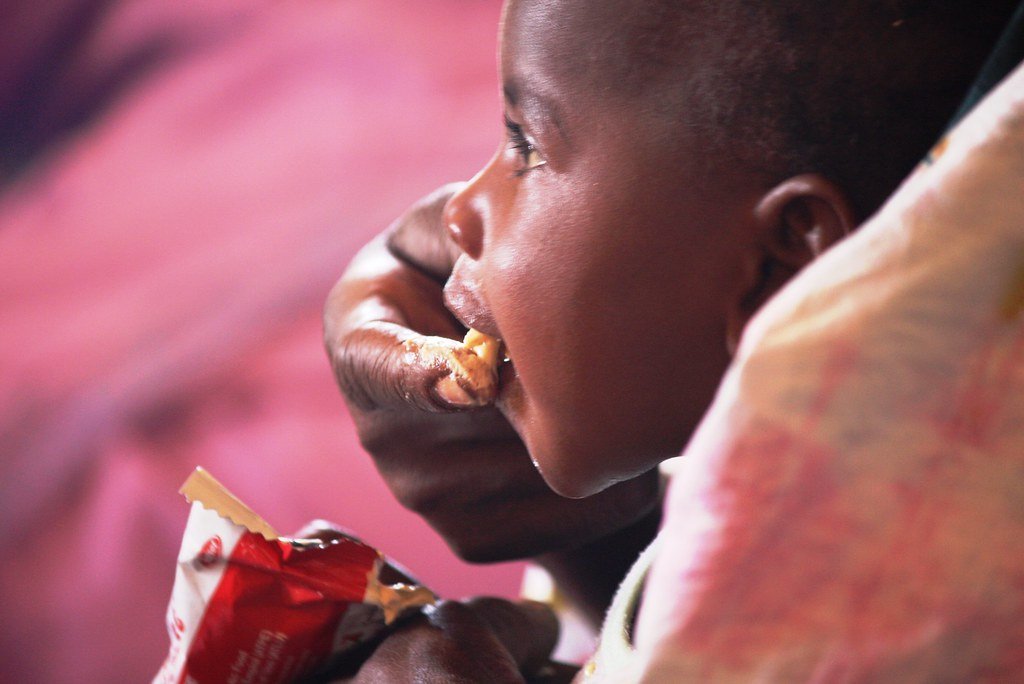
1. Wasting
Wasting occurs when a person has a low weight relative to their height.
In children, wasting is commonly associated with acute or recent nutritional deprivation and can also occur during illness or infection.
Severe wasting can be dangerous because the body has limited energy and nutrient reserves.
2. Stunting
Stunting occurs when a child is significantly shorter than expected for their age because of impaired growth.
It is generally associated with chronic undernutrition and repeated illness, particularly during early childhood.
Stunting can have long-term implications for physical development and overall health.
3. Underweight
Underweight refers to a body weight that is below the expected range for a person’s age or, in adults, a body mass index below the standard healthy range.
Underweight can have many causes, including inadequate food intake, chronic disease, digestive disorders, and nutrient absorption problems.
4. Micronutrient Deficiencies
A person may consume enough calories but still lack essential vitamins and minerals.
Common nutritional deficiencies include:
- Iron deficiency
- Vitamin A deficiency
- Vitamin B12 deficiency
- Folate deficiency
- Vitamin D deficiency
- Calcium deficiency
- Zinc deficiency
- Iodine deficiency
Micronutrient deficiencies can affect immunity, blood production, bone health, vision, neurological function, and growth.
5. Protein-Energy Undernutrition
Protein-energy undernutrition develops when the body does not receive sufficient protein and energy.
Severe forms include marasmus and kwashiorkor, particularly in children.
These conditions require professional medical and nutritional management.
What are Its Causes?
There is rarely one universal cause of undernutrition. It can result from a combination of dietary, medical, social, economic, and environmental factors.
1. Inadequate Food Intake
One of the most direct causes of undernutrition is consistently consuming too little food.
This may happen because of:
- Food insecurity
- Poverty
- Limited food availability
- Natural disasters
- Conflict and displacement
- Loss of appetite
- Difficulty preparing meals
- Restrictive eating patterns
When energy intake remains below the body’s requirements, the body begins using stored energy.
Eventually, prolonged inadequate intake can result in muscle and tissue loss.
2. Poor Dietary Quality
Undernutrition is not only about calories.
A diet may provide enough energy but fail to supply sufficient protein, vitamins, minerals, fiber, and healthy fats.
For example, a diet heavily dependent on highly processed foods may provide calories while being relatively poor in certain essential nutrients.
Dietary diversity is therefore important for preventing nutrient deficiencies.
3. Chronic Diseases
Certain diseases can increase the risk of undernutrition.
Examples include:
- Cancer
- HIV
- Tuberculosis
- Chronic kidney disease
- Chronic liver disease
- Heart failure
- Chronic lung disease
- Gastrointestinal disorders
Illness can reduce appetite, increase nutritional requirements, interfere with digestion, or cause nutrient losses.
4. Malabsorption
Malabsorption occurs when the digestive system cannot properly absorb nutrients from food.
Conditions that can interfere with nutrient absorption include certain intestinal disorders, inflammatory bowel diseases, celiac disease, chronic diarrhea, and some infections.
Someone may therefore eat an apparently adequate diet but still develop nutritional deficiencies.
5. Increased Nutritional Requirements
Nutritional needs change throughout life.
People may require additional nutrients during:
- Pregnancy
- Breastfeeding
- Infancy
- Childhood
- Adolescence
- Recovery from illness
- Recovery from surgery or injury
If nutritional intake does not meet these increased requirements, undernutrition can develop.
6. Difficulty Eating
Some people struggle to consume enough food because of physical or medical problems.
Potential causes include:
- Dental problems
- Difficulty swallowing
- Nausea
- Poor appetite
- Fatigue
- Physical disability
- Cognitive impairment
- Medication side effects
These issues are particularly important in older adults.
What Are Its Symptoms?
Symptoms vary depending on the severity and type of undernutrition.
Common signs include:
- Unintentional weight loss
- Low body weight
- Muscle loss
- Weakness
- Fatigue
- Dizziness
- Reduced appetite
- Frequent infections
- Slow wound healing
- Dry or unhealthy-looking skin
- Hair changes or hair loss
- Difficulty concentrating
- Feeling cold
- Reduced physical performance
In children, possible warning signs include:
- Poor growth
- Low weight
- Reduced activity
- Delayed development
- Frequent infections
- Loss of muscle and body fat
Symptoms should be evaluated in context because many of these signs can have causes other than undernutrition.
Health Effects of Undernutrition
Undernutrition can affect almost every body system.
Weakened Immune Function
Adequate nutrition is essential for normal immune function.
Inadequate protein and certain vitamins and minerals may impair immune responses and increase vulnerability to infections.
Muscle Wasting
When the body lacks sufficient energy and protein, it can break down muscle tissue.
Muscle loss may result in:
- Weakness
- Reduced mobility
- Lower physical performance
- Increased risk of falls
- Reduced independence
Poor Wound Healing
The body requires protein, energy, vitamins, and minerals to repair damaged tissue.
People who are undernourished may experience delayed wound healing and slower recovery after illness, injury, or surgery.
Impaired Growth in Children
Children require adequate nutrition for normal physical and neurological development.
Long-term undernutrition can contribute to stunted growth and developmental problems.
Anemia
Certain nutrient deficiencies can contribute to anemia.
Iron, folate, and vitamin B12 are particularly important for healthy red blood cell production.
However, anemia has many possible causes, so appropriate medical evaluation is important.
Undernutrition in Children
Children are particularly vulnerable to undernutrition because their bodies are growing rapidly and their nutritional requirements are high.
Factors that may increase the risk include:
- Food insecurity
- Poor dietary diversity
- Repeated infections
- Chronic diarrhea
- Inadequate complementary feeding
- Poor maternal nutrition
- Low birth weight
- Malabsorption
- Limited access to healthcare
Early identification and treatment are particularly important during infancy and early childhood.
Undernutrition and Child Development
Adequate nutrition supports:
- Brain development
- Physical growth
- Immune function
- Muscle development
- Bone development
- Learning and cognitive development
Prolonged nutritional deprivation during critical developmental periods can have lasting consequences.
Undernutrition During Pregnancy
Pregnancy increases the body’s nutritional requirements.
Important nutrients include:
- Protein
- Iron
- Folate
- Iodine
- Calcium
- Vitamin D
- Other vitamins and minerals
Poor nutritional status during pregnancy can affect maternal health and may contribute to adverse pregnancy outcomes.
Pregnant women should receive appropriate prenatal care and individualized nutritional guidance.
Undernutrition in Older Adults
Older adults may face several factors that increase their risk of undernutrition.
These can include:
- Reduced appetite
- Changes in taste and smell
- Dental problems
- Difficulty swallowing
- Chronic diseases
- Medication effects
- Difficulty shopping
- Difficulty preparing food
- Social isolation
Unexplained weight loss in an older adult should be taken seriously and discussed with a healthcare professional.
How Is Undernutrition Diagnosed?
Healthcare professionals generally use multiple pieces of information to assess nutritional status.
Assessment may include:
- Weight
- Height
- Body mass index where appropriate
- Recent weight changes
- Dietary intake
- Muscle mass
- Physical examination
- Medical history
- Symptoms
- Laboratory tests when clinically appropriate
For children, healthcare providers also monitor growth using appropriate growth standards.
Importantly, body weight alone does not provide a complete picture of nutritional health.
Treatment of Undernutrition
Treatment depends on the cause, severity, age, medical condition, and nutritional requirements of the individual.
Improve Dietary Intake
People with mild undernutrition may benefit from increasing the nutritional value and energy density of meals.
Nutrient-rich foods can include:
- Eggs
- Fish
- Meat
- Beans
- Lentils
- Milk and yogurt
- Nuts
- Seeds
- Whole grains
- Fruits
- Vegetables
- Healthy oils
Increase Protein Intake
Protein supports muscle maintenance, tissue repair, immune function, and recovery.
Protein-rich foods include:
- Eggs
- Fish
- Lean meat
- Milk
- Yogurt
- Beans
- Lentils
- Peas
- Soy foods
- Nuts and seeds
Individual protein requirements vary, particularly in people with kidney or liver disease.
Treat Underlying Medical Conditions
If undernutrition is caused or worsened by an underlying disease, treating that condition is an important part of recovery.
For example, persistent gastrointestinal problems may need medical evaluation if they are interfering with nutrient absorption.
Nutritional Supplements
Some people may require vitamin, mineral, or oral nutritional supplements.
Supplements should be selected according to individual nutritional needs rather than used indiscriminately.
Specialized Nutrition Support
Severe undernutrition may require specialized medical nutrition support.
Depending on the patient’s condition, healthcare professionals may consider oral nutrition support, enteral feeding, or parenteral nutrition.
Severely malnourished individuals require careful medical management because nutritional rehabilitation can sometimes produce complications.
Foods That May Help Prevent Undernutrition
Nutritious foods do not always have to be expensive.
Affordable options can include:
- Beans
- Lentils
- Peas
- Eggs
- Groundnuts
- Seeds
- Seasonal fruits
- Green vegetables
- Whole grains
- Fish
- Dairy products
- Fortified foods
Combining several food groups can increase dietary diversity and nutrient intake.
For example, a meal containing legumes, whole grains, vegetables, and a healthy fat can provide protein, carbohydrates, fiber, vitamins, minerals, and energy.
How to Prevent Undernutrition
Prevention involves both individual dietary habits and broader social factors.
Eat a Balanced Diet
Include foods from multiple food groups to obtain adequate energy, protein, vitamins, minerals, and other nutrients.
Eat a Variety of Foods
Dietary diversity helps reduce the risk of individual nutrient deficiencies.
Monitor Unintentional Weight Loss
Persistent or unexplained weight loss should be investigated, particularly when accompanied by weakness or reduced appetite.
Address Digestive Problems
Persistent diarrhea, vomiting, swallowing difficulties, or other digestive symptoms can interfere with nutrition.
Support Maternal and Child Nutrition
Adequate maternal nutrition, breastfeeding support, appropriate complementary feeding, and access to healthcare are important components of preventing childhood undernutrition.
Improve Food Security
At the population level, prevention also requires access to safe, affordable, nutritious food, clean water, sanitation, healthcare, and nutrition education.
When Should You See a Doctor?
Medical advice should be considered if you or someone you care for experiences:
- Significant unexplained weight loss
- Persistent loss of appetite
- Severe weakness
- Difficulty swallowing
- Persistent vomiting
- Persistent diarrhea
- Recurrent infections
- Poor growth in a child
- Signs of severe nutritional deficiency
- Difficulty eating enough food
Children suspected of having severe undernutrition should receive prompt professional assessment.
Frequently Asked Questions About Undernutrition
What is undernutrition?
Undernutrition occurs when the body does not receive enough energy or essential nutrients to maintain normal growth, development, and physiological functions.
What are the main types of undernutrition?
The main forms include wasting, stunting, underweight, micronutrient deficiencies, and protein-energy undernutrition.
What causes undernutrition?
Common causes include inadequate food intake, food insecurity, poor dietary quality, chronic diseases, infections, malabsorption, increased nutritional requirements, and difficulty eating.
What are the signs of undernutrition?
Signs may include unexplained weight loss, fatigue, weakness, muscle loss, poor wound healing, frequent infections, reduced appetite, and poor growth in children.
Can you be undernourished while eating enough food?
Yes. A person can consume enough calories but still lack important vitamins, minerals, protein, or other nutrients. Medical conditions that interfere with absorption can also cause undernutrition.
Is undernutrition the same as malnutrition?
No. Undernutrition is one form of malnutrition. Malnutrition is a broader term that also includes micronutrient deficiencies and overnutrition.
Can undernutrition affect children?
Yes. Children are especially vulnerable because they require adequate nutrients for rapid growth and development. Chronic undernutrition can contribute to stunting, while acute nutritional deprivation can contribute to wasting.
Can adults develop undernutrition?
Yes. Adults can become undernourished because of inadequate food intake, chronic disease, poor appetite, malabsorption, difficulty eating, or increased nutritional requirements.
What foods can help prevent undernutrition?
Nutrient-dense foods such as eggs, fish, beans, lentils, nuts, seeds, whole grains, vegetables, fruits, dairy products, and other protein-rich foods can contribute to a balanced diet.
How is undernutrition treated?
Treatment may include improving dietary intake, increasing energy and protein intake, treating underlying medical conditions, correcting nutrient deficiencies, and using specialized nutrition support when necessary.
Can undernutrition cause muscle loss?
Yes. When the body does not receive enough energy and protein, it may break down muscle tissue for energy and other physiological needs.
Can undernutrition weaken the immune system?
Poor nutritional status can impair normal immune function. Adequate protein and micronutrients are important for maintaining immune defenses.
Can undernutrition cause anemia?
Some forms of undernutrition can contribute to anemia, particularly deficiencies of iron, folate, or vitamin B12. However, anemia has multiple possible causes.
Is undernutrition only caused by poverty?
No. Poverty and food insecurity are important causes, but undernutrition can also result from chronic illness, digestive disorders, malabsorption, poor appetite, difficulty swallowing, and increased nutritional needs.
Can undernutrition be prevented?
Many cases can be prevented through a balanced and varied diet, early treatment of illness, appropriate maternal and child nutrition, improved food security, and access to healthcare.
Conclusion
Undernutrition is a serious nutritional condition that occurs when the body does not receive or adequately utilize the energy and nutrients required for healthy functioning.
It can affect people at any age and may result from inadequate food intake, poor dietary quality, chronic disease, malabsorption, infection, or increased nutritional requirements.
Common signs include unexplained weight loss, weakness, fatigue, muscle loss, poor wound healing, recurrent infections, and poor growth in children.
Early recognition is important because prolonged undernutrition can affect immunity, muscle function, growth, development, and recovery from illness.
A varied and balanced diet is an important part of prevention. However, people with significant weight loss, persistent appetite problems, chronic illness, or suspected severe undernutrition should seek professional medical and nutritional assessment.
Sources: NIH, ScienceDirect, Biology Libre Texts