
What Is Malnutrition?
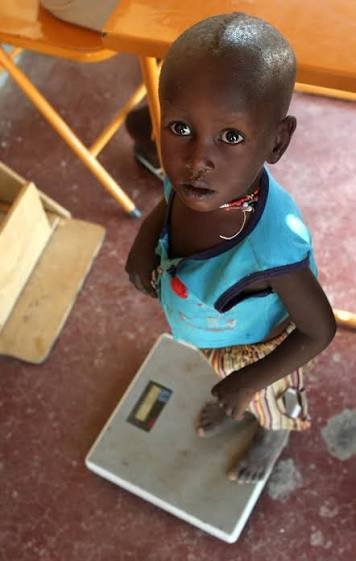
Malnutrition is a health condition that occurs when the body receives too little, too much, or an imbalanced amount of energy and nutrients. It can affect people of all ages, including infants, children, adolescents, adults, pregnant women, and older adults.
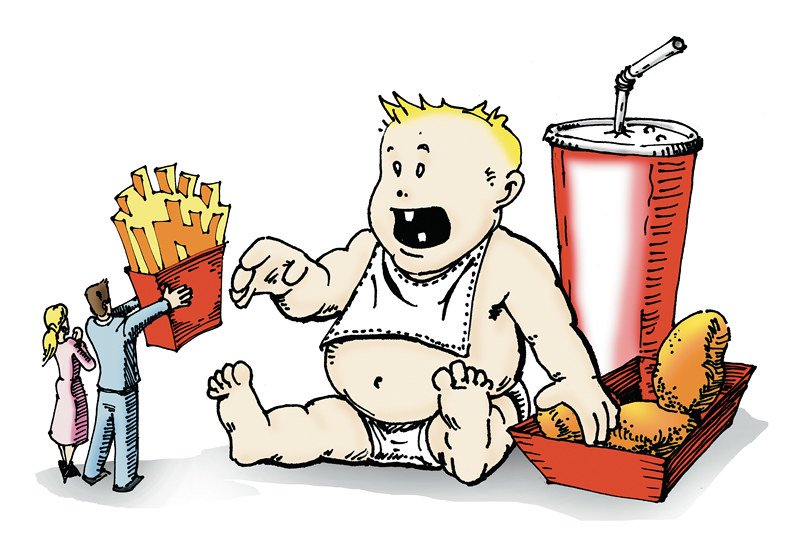
Although malnutrition is often associated with hunger and inadequate food intake, the condition is much broader. A person can experience malnutrition because they do not consume enough calories or protein, lack essential vitamins and minerals, have difficulty absorbing nutrients, or consume excessive amounts of energy.
Table of Contents
Malnutrition can develop gradually over time or occur rapidly during illness, infection, injury, or other situations that increase the body’s nutritional needs.
A healthy nutritional status requires an appropriate balance of macronutrients such as carbohydrates, protein, and fats, as well as micronutrients such as vitamins and minerals.
Types of Malnutrition
Malnutrition can take several forms. The major categories include undernutrition, micronutrient-related malnutrition, and overnutrition.
Undernutrition
Undernutrition occurs when the body does not receive enough energy, protein, or essential nutrients to meet its needs.
The main forms of undernutrition include:
- Wasting
- Stunting
- Underweight
- Nutrient deficiencies
Undernutrition can be particularly harmful during infancy and childhood because adequate nutrition is essential for normal growth and development.
Wasting
Wasting refers to low weight in relation to height. It is generally associated with recent or acute weight loss or inadequate weight gain.
Severe wasting can be life-threatening and requires prompt nutritional and medical assessment.
Stunting
Stunting occurs when a child is shorter than expected for their age because of impaired growth. It is generally associated with chronic or long-term nutritional and health problems.
Factors contributing to stunting can include inadequate nutrition, recurrent infections, poor sanitation, and other adverse conditions during early childhood.
Underweight
Underweight refers to a body weight that is below the expected level for a person’s age. In children, underweight can result from wasting, stunting, or both.
Micronutrient Malnutrition
Micronutrient malnutrition occurs when the body does not receive enough essential vitamins or minerals.
Common micronutrient deficiencies include:
- Iron deficiency
- Vitamin A deficiency
- Vitamin D deficiency
- Vitamin B12 deficiency
- Folate deficiency
- Iodine deficiency
- Zinc deficiency
- Calcium deficiency
A person can have a micronutrient deficiency even when they consume enough calories.
Overnutrition
Overnutrition occurs when the body receives excessive amounts of energy or certain nutrients.
It can contribute to overweight and obesity and may increase the risk of health conditions such as:
- Type 2 diabetes
- High blood pressure
- Cardiovascular disease
- Fatty liver disease
- Certain cancers
This is why malnutrition should not be viewed only as a lack of food. Poor nutrition can involve both nutritional deficiencies and excessive intake.
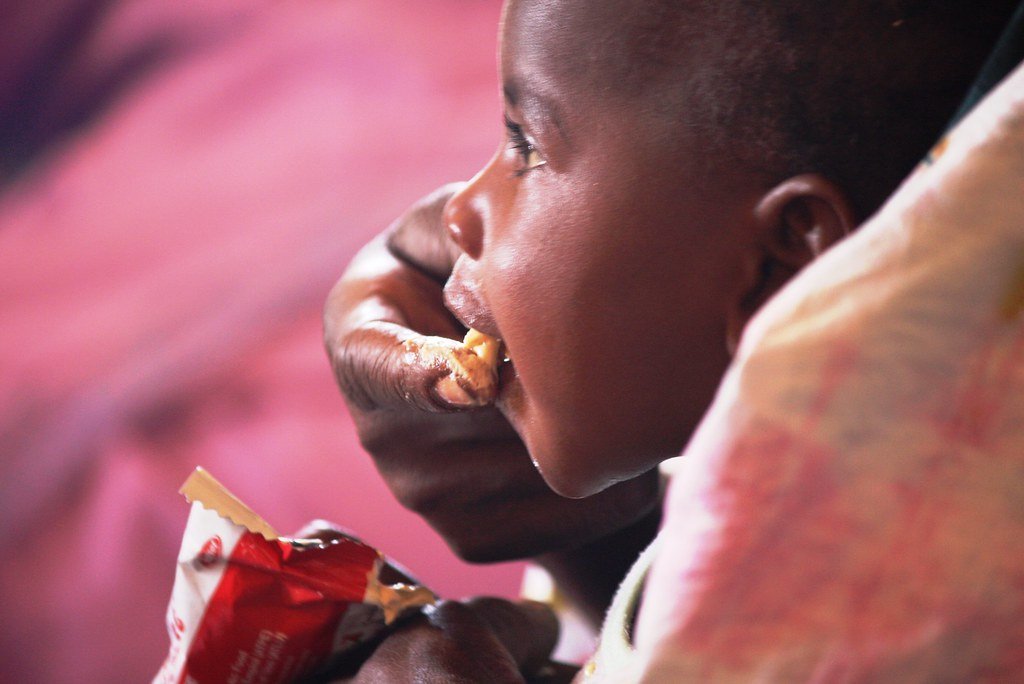
Causes of Malnutrition
Malnutrition can have many different causes. Some are directly related to food intake, while others involve medical, social, economic, or environmental factors.
Inadequate Food Intake
Not consuming enough food is a major cause of undernutrition.
Inadequate food intake may occur because of:
- Food insecurity
- Poverty
- Loss of appetite
- Severe illness
- Difficulty swallowing
- Dental problems
- Physical disabilities
- Eating disorders
- Limited access to nutritious foods
Poor Dietary Quality
A person can consume enough calories but still develop malnutrition if their diet lacks essential nutrients.
For example, a diet dominated by highly processed foods may provide large amounts of calories while supplying insufficient amounts of protein, fiber, vitamins, and minerals.
A diverse diet containing foods from different food groups helps provide a broader range of essential nutrients.
Malabsorption
Malabsorption occurs when the digestive system cannot properly absorb nutrients from food.
Conditions that may interfere with nutrient absorption include:
- Celiac disease
- Certain intestinal disorders
- Chronic diarrhea
- Some pancreatic disorders
- Certain infections
- Diseases affecting the small intestine
Malabsorption can cause nutritional deficiencies even when a person eats an adequate amount of food.
Chronic Diseases
Chronic diseases can increase the risk of malnutrition by reducing appetite, increasing nutritional requirements, affecting digestion, or making eating difficult.
Examples include:
- Cancer
- Chronic kidney disease
- Chronic liver disease
- Heart failure
- Chronic lung disease
- Diabetes
- Gastrointestinal disorders
Infections
Infections can increase the body’s nutritional requirements while reducing appetite.
Vomiting and diarrhea can also result in the loss of fluids and nutrients.
Repeated infections can create a cycle in which poor nutrition increases susceptibility to illness, while illness further worsens nutritional status.
Increased Nutritional Requirements
Nutritional needs increase during certain stages of life and during periods of physical stress.
These include:
- Pregnancy
- Breastfeeding
- Infancy
- Childhood
- Adolescence
- Recovery from illness
- Recovery from injury
- Recovery after surgery
If nutritional requirements increase but food intake does not increase accordingly, malnutrition can develop.
Risk Factors for Malnutrition
Some individuals are more vulnerable to malnutrition than others.
Important risk factors include:
- Poverty
- Food insecurity
- Older age
- Chronic disease
- Cancer
- Gastrointestinal disorders
- Recurrent infections
- Hospitalization
- Recent surgery
- Difficulty swallowing
- Dental problems
- Limited mobility
- Social isolation
- Eating disorders
- Cognitive impairment
- Limited access to healthcare
- Limited access to nutritious foods
Children living in environments affected by food insecurity, poor sanitation, or recurrent infections may also have a higher risk of malnutrition.
Signs and Symptoms of Malnutrition
The signs and symptoms of malnutrition vary depending on the type, severity, duration, and underlying cause.
Common symptoms include:
- Unintentional weight loss
- Low body weight
- Poor growth in children
- Muscle loss
- Weakness
- Fatigue
- Reduced appetite
- Frequent infections
- Slow wound healing
- Changes in skin
- Hair changes
- Swelling in some severe nutritional disorders
- Difficulty concentrating
- Irritability
- Reduced physical performance
Specific nutrient deficiencies can cause additional symptoms.
For example, iron deficiency can contribute to anemia and tiredness, while vitamin A deficiency can affect vision and immune function.
Because many symptoms of malnutrition can also occur with other health conditions, professional assessment may be necessary.
Effects of Malnutrition on the Body
Malnutrition can affect nearly every system in the body.
Effects on the Immune System
Adequate nutrition is important for normal immune function.
Severe nutritional deficiencies can weaken immune defenses and increase vulnerability to infections.
Effects on Muscles
Insufficient energy and protein can result in muscle loss.
Muscle loss may lead to:
- Weakness
- Reduced mobility
- Poor physical performance
- Increased risk of falls
- Difficulty performing daily activities
Effects on Growth and Development
Malnutrition during childhood can interfere with normal physical growth and development.
Severe or prolonged undernutrition can have lasting effects on physical and developmental health.
Effects on Wound Healing
Protein, energy, vitamins, and minerals are important for tissue repair.
People experiencing malnutrition may have difficulty healing wounds or recovering from surgery.
Effects on the Digestive System
Poor nutrition may affect gastrointestinal function and can worsen existing digestive problems.
Digestive disorders can also contribute to malnutrition by interfering with nutrient digestion or absorption.
Effects on the Brain
The brain requires a continuous supply of energy and nutrients.
Severe nutritional deficiencies can contribute to problems such as fatigue, poor concentration, and impaired cognitive function.
Malnutrition in Children
Children are especially vulnerable to malnutrition because they require adequate nutrition for rapid growth and development.
Causes of Malnutrition in Children
Childhood malnutrition may result from:
- Inadequate food intake
- Poor dietary diversity
- Recurrent infections
- Diarrheal illnesses
- Poor sanitation
- Inadequate breastfeeding support
- Inadequate complementary feeding
- Food insecurity
- Chronic disease
- Malabsorption
Effects of Malnutrition in Children
Malnutrition can affect children’s growth, immunity, development, and ability to recover from illness.
Poor nutrition during early life can also have consequences that extend beyond childhood.
Parents and caregivers should seek professional advice if a child is not growing as expected, loses weight, has persistent diarrhea, or has ongoing feeding difficulties.
Malnutrition During Pregnancy
Pregnancy increases nutritional requirements because nutrients are needed to support both the mother and developing baby.
Important nutrients during pregnancy include:
- Iron
- Folate
- Iodine
- Calcium
- Protein
- Vitamin D
- Other vitamins and minerals
Poor maternal nutrition can increase the risk of adverse pregnancy outcomes.
Pregnant women should receive appropriate antenatal care and individualized nutritional guidance from qualified healthcare professionals.
Malnutrition in Older Adults
Older adults can be particularly vulnerable to malnutrition.
Causes of Malnutrition in Older Adults
Contributing factors may include:
- Reduced appetite
- Difficulty chewing
- Difficulty swallowing
- Dental problems
- Chronic disease
- Medication effects
- Reduced mobility
- Social isolation
- Changes in taste and smell
- Difficulty shopping
- Difficulty preparing meals
Unintentional weight loss in an older adult should not automatically be considered a normal part of aging. It may require medical and nutritional assessment.
How Is Malnutrition Diagnosed?
Healthcare professionals use several methods to identify malnutrition and determine its underlying cause.
Medical History
A healthcare professional may ask about:
- Recent weight changes
- Appetite
- Dietary intake
- Digestive symptoms
- Existing medical conditions
- Medications
- Physical activity
- Social circumstances
Physical Examination
The examination may assess:
- Muscle mass
- Body fat
- Signs of nutrient deficiencies
- Hydration
- Swelling
- Overall physical condition
Anthropometric Measurements
Measurements may include:
- Weight
- Height
- Body mass index
- Mid-upper arm circumference
- Growth measurements in children
Children’s growth should be evaluated using appropriate age- and sex-specific growth standards.
Laboratory Tests
Blood and other laboratory tests may help identify certain nutritional deficiencies or medical conditions contributing to malnutrition.
However, no single laboratory test can diagnose every form of malnutrition.
Treatment of Malnutrition
Treatment depends on the person’s age, nutritional status, medical condition, severity of malnutrition, and underlying cause.
Improving Dietary Intake
The first step may involve improving the amount and quality of food consumed.
A balanced diet can include:
- Fruits
- Vegetables
- Whole grains
- Legumes
- Nuts and seeds
- Eggs
- Fish
- Poultry
- Lean meat
- Milk and yogurt
- Suitable dairy alternatives
- Healthy fats
Increasing Protein Intake
Protein is important for maintaining muscles, repairing tissues, and supporting many body functions.
Protein-rich foods include:
- Beans
- Lentils
- Peas
- Eggs
- Fish
- Poultry
- Lean meat
- Milk
- Yogurt
- Nuts
- Seeds
- Soy products
Individual protein requirements vary according to age, health status, activity level, and medical conditions.
Treating the Underlying Cause
Improving food intake may not be enough if an underlying medical condition is responsible for malnutrition.
Treatment may involve managing:
- Gastrointestinal disorders
- Chronic infections
- Dental problems
- Difficulty swallowing
- Chronic disease
- Malabsorption
- Loss of appetite
Oral Nutritional Supplements
Healthcare professionals may recommend oral nutritional supplements when a person cannot obtain enough calories, protein, vitamins, or minerals from regular food.
The appropriate supplement depends on individual nutritional requirements.
Enteral Nutrition
If a person cannot consume sufficient food orally but their digestive system can be used, nutrition may sometimes be provided through a feeding tube.
Parenteral Nutrition
In certain medical situations where the gastrointestinal tract cannot be adequately used, nutrition may be delivered directly into the bloodstream.
This requires specialized medical supervision.
How to Prevent Malnutrition
Many forms of malnutrition can be prevented or reduced through appropriate nutrition, healthcare, and social support.
Eat a Balanced Diet
A healthy eating pattern should contain a variety of nutrient-rich foods.
Eating a diverse range of foods helps provide different vitamins, minerals, protein, carbohydrates, fats, and other essential nutrients.
Include Protein-Rich Foods
Regularly eating protein-rich foods can help support growth, tissue repair, and muscle maintenance.
Eat Fruits and Vegetables
Fruits and vegetables provide vitamins, minerals, fiber, and other beneficial compounds.
Eating different types and colors of fruits and vegetables can help increase dietary diversity.
Monitor Children’s Growth
Regular growth monitoring can help identify nutritional problems early.
Parents and caregivers should seek professional advice if a child’s weight or height is not progressing as expected.
Treat Illness Early
Persistent diarrhea, vomiting, poor appetite, difficulty swallowing, and unexplained weight loss can interfere with nutritional status.
Early medical assessment may help prevent nutritional deterioration.
Support Older Adults
Older adults may need assistance with:
- Shopping
- Cooking
- Meal preparation
- Eating
- Medical appointments
- Nutritional monitoring
Providing appropriate support can help reduce the risk of malnutrition.
Malnutrition and Food Security
Food security plays an important role in preventing malnutrition.
Food insecurity occurs when people do not have reliable access to sufficient, safe, nutritious food.
Food insecurity can be influenced by:
- Poverty
- Conflict
- Natural disasters
- Economic instability
- Displacement
- Food price increases
- Poor agricultural conditions
Reducing malnutrition therefore requires more than simply increasing food availability. People also need access to diverse and nutritious foods, clean water, sanitation, healthcare, education, and appropriate social support.
Malnutrition and Poor Sanitation
Clean water and sanitation are important components of nutritional health.
Repeated gastrointestinal infections can contribute to diarrhea, dehydration, and reduced nutrient absorption.
Strategies to reduce malnutrition should therefore also consider:
- Safe drinking water
- Hand hygiene
- Proper sanitation
- Food safety
- Infection prevention
- Access to healthcare
Nutrition and infection prevention often need to be addressed together.
Malnutrition vs. Undernutrition
Malnutrition and undernutrition are related but do not mean exactly the same thing.
Malnutrition is a broad term that includes inadequate, excessive, or imbalanced nutrition.
Undernutrition specifically refers to insufficient intake or availability of energy and nutrients.
Therefore, undernutrition is one form of malnutrition.
Malnutrition vs. Micronutrient Deficiency
A micronutrient deficiency occurs when the body does not receive enough of a particular vitamin or mineral.
Examples include:
- Iron deficiency
- Vitamin A deficiency
- Iodine deficiency
- Zinc deficiency
- Vitamin B12 deficiency
Micronutrient deficiencies are forms of malnutrition, but malnutrition is a broader concept that can also involve inadequate calories or protein and excessive energy intake.
Can Malnutrition Be Prevented?
Many forms of malnutrition can be prevented or reduced through appropriate nutrition and healthcare.
Important prevention strategies include:
- Eating a varied and balanced diet.
- Supporting breastfeeding where appropriate.
- Providing nutritious complementary foods to young children at the appropriate age.
- Monitoring children’s growth.
- Treating infections promptly.
- Improving access to clean water and sanitation.
- Managing chronic diseases.
- Addressing food insecurity.
- Identifying nutritional deficiencies early.
- Providing nutritional support to people at increased risk.
Prevention strategies should be adapted to the needs and circumstances of individuals and communities.
When Should You Seek Medical Help?
Professional medical advice should be considered when someone experiences:
- Unexplained weight loss
- Persistent loss of appetite
- Significant weakness
- Severe or persistent diarrhea
- Persistent vomiting
- Difficulty swallowing
- Poor growth in a child
- Recurrent infections
- Slow wound healing
- Signs of vitamin or mineral deficiency
- Significant muscle loss
- Inability to eat enough food
Severe malnutrition can become life-threatening, particularly in infants, young children, older adults, and people with serious medical conditions.
Frequently Asked Questions About Malnutrition
What is malnutrition?
Malnutrition is a condition caused by inadequate, excessive, or imbalanced intake of energy and nutrients. It includes undernutrition, micronutrient deficiencies, and overnutrition.
What are the main causes of malnutrition?
Common causes include inadequate food intake, poor dietary quality, food insecurity, chronic disease, infections, increased nutritional requirements, and problems with nutrient absorption.
What are the signs of malnutrition?
Common signs include unexplained weight loss, weakness, fatigue, muscle loss, poor growth in children, reduced appetite, recurrent infections, and slow wound healing.
What are the main types of malnutrition?
The main forms include undernutrition, micronutrient malnutrition, and overnutrition. Undernutrition includes wasting, stunting, and underweight.
Can someone be overweight and malnourished?
Yes. A person can consume excessive calories while still lacking essential vitamins, minerals, protein, or other nutrients. Therefore, body weight alone does not provide a complete picture of nutritional status.
How is malnutrition treated?
Treatment depends on the cause and severity. It may include dietary improvements, nutritional supplements, treatment of underlying diseases, and specialized nutritional support when necessary.
How can malnutrition be prevented?
Malnutrition can often be reduced through a varied and balanced diet, adequate healthcare, infection prevention, good sanitation, growth monitoring in children, and addressing food insecurity.
How does malnutrition affect children?
Malnutrition can interfere with normal growth and development and can increase vulnerability to infections. Severe or prolonged malnutrition can have serious consequences for children’s health.
What foods help prevent malnutrition?
A varied diet containing vegetables, fruits, whole grains, legumes, nuts, seeds, eggs, fish, meat or other protein sources, and appropriate healthy fats can help provide essential nutrients.
Is malnutrition only caused by not eating enough?
No. Malnutrition can result from inadequate food intake, poor dietary quality, nutrient absorption problems, illness, increased nutritional requirements, or excessive energy intake.
Conclusion
Malnutrition is a broad nutritional health problem that can affect people at every stage of life. It includes undernutrition, micronutrient deficiencies, and overnutrition and can result from inadequate food intake, poor dietary quality, illness, infections, malabsorption, food insecurity, and increased nutritional requirements.
Recognizing the signs of malnutrition early is important because prolonged nutritional problems can affect growth, immunity, muscle function, wound healing, physical development, and overall health.
Preventing malnutrition requires more than simply providing calories. People need access to a diverse range of nutritious foods, clean water, sanitation, healthcare, nutrition education, and appropriate social support.
For individuals at risk, early nutritional screening and professional assessment can help identify nutritional problems before they become severe. Treatment should address both nutritional needs and the underlying cause.
A balanced and diverse diet, together with appropriate healthcare and attention to nutritional needs throughout life, can play an important role in reducing the burden of malnutrition.
Sources: Cleveland clinic , WHO
[…] Causes, Symptoms, Diagnosis, Treatment, and Prevention Malnutrition: Causes, Types, Symptoms, Treatment, and Prevention Overnutrition: Causes, Symptoms, Health Effects, Prevention, and Treatment Undernutrition: […]
[…] Vitamin A: Benefits, Sources, Deficiency, Dosage, and Health Effects Vitamin K: Benefits, Sources, Deficiency, Daily Requirements, and More Vitamin E: Benefits, Sources, Deficiency, Dosage, and Everything You Need to Know Malabsorption: Causes, Symptoms, Diagnosis, Treatment, and Prevention Malnutrition: Causes, Types, Symptoms, Treatment, and Prevention […]