High cholesterol is a common health concern that can increase the risk of heart disease, stroke, and other cardiovascular complications. Although cholesterol is essential for normal body functions, having too much low-density lipoprotein (LDL) cholesterol in the bloodstream can contribute to fatty deposits building up inside the arteries. Over time, these deposits may restrict blood flow and increase the risk of serious health problems.
Diet plays an important role in managing cholesterol. Choosing foods rich in soluble fiber, healthy fats, plant-based proteins, and essential nutrients while reducing saturated and trans fats can help support healthier cholesterol levels. A balanced eating pattern may also improve blood pressure, blood sugar, and overall cardiovascular health.
Table of Contents
This guide explains what cholesterol is, how food affects cholesterol levels, which foods can support healthy cholesterol, what to limit, and how to build practical meals for long-term heart health.
What Is Cholesterol?
Cholesterol is a waxy, fat-like substance found in the blood and in every cell of the body. The body needs cholesterol to produce hormones, vitamin D, and substances that help digest food. The liver makes most of the cholesterol the body requires, while smaller amounts come from certain foods.
Because cholesterol does not dissolve in blood, it travels through the bloodstream in particles called lipoproteins. Two important types are low-density lipoprotein and high-density lipoprotein.
Low-Density Lipoprotein (LDL)
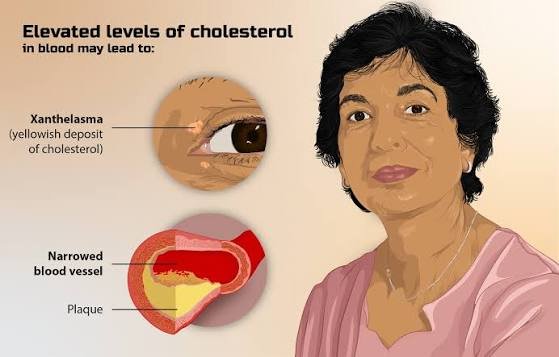
LDL is commonly called bad cholesterol. When LDL levels are too high, cholesterol can accumulate in artery walls and contribute to plaque formation. This process, known as atherosclerosis, can narrow arteries and reduce blood flow.
High LDL cholesterol is an important risk factor for heart attack and stroke. For many people, lowering LDL is a central goal of cholesterol management.
High-Density Lipoprotein (HDL)
HDL is often called good cholesterol because it helps transport cholesterol away from the bloodstream and artery walls toward the liver, where it can be processed and removed.
HDL is one part of a person’s overall lipid profile. A healthy HDL level does not completely cancel out the risks associated with high LDL cholesterol.
Triglycerides
Triglycerides are another type of fat found in the blood. The body uses them for energy, but high triglyceride levels can contribute to cardiovascular risk, particularly when combined with low HDL or high LDL cholesterol.
Triglycerides may be affected by excess calorie intake, sugary drinks, refined carbohydrates, alcohol, physical inactivity, and certain health conditions.
How Diet Affects Cholesterol Levels
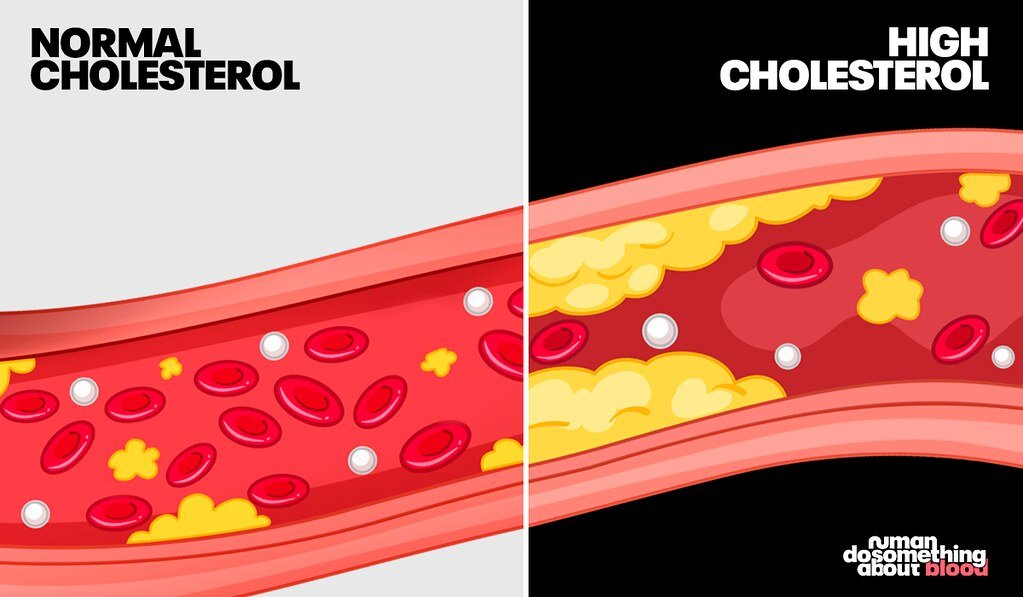
Diet influences cholesterol through several mechanisms. The types of fat consumed, the amount of soluble fiber in meals, overall calorie intake, and the balance of plant-based and animal-based foods can all affect blood lipid levels.
Saturated fats, commonly found in fatty meats, butter, cream, and some tropical oils, can raise LDL cholesterol. Replacing these fats with unsaturated fats from foods such as nuts, seeds, olive oil, and fish can help improve cholesterol levels.
Soluble fiber is another important dietary component. It forms a gel-like substance in the digestive tract that can reduce the absorption of cholesterol. Regularly eating fiber-rich foods such as oats, beans, lentils, apples, and citrus fruits can contribute to lower LDL cholesterol.
Dietary cholesterol, found in foods such as eggs and some animal products, can also affect blood cholesterol, but its effect varies between individuals. Current heart-health guidance generally places greater emphasis on the overall eating pattern and limiting saturated fat rather than focusing exclusively on dietary cholesterol.
Best Foods to Support Healthy Cholesterol Levels
1. Oats and Barley
Oats and barley are excellent sources of beta-glucan, a type of soluble fiber associated with lower LDL cholesterol. When consumed regularly as part of a balanced diet, beta-glucan can help reduce the amount of cholesterol absorbed in the digestive tract.
Oatmeal is a convenient breakfast option, while barley can be added to soups, stews, salads, and vegetable dishes.
Choose plain oats or minimally sweetened products rather than heavily sweetened instant oatmeal. Add fruit, nuts, seeds, or a small amount of unsweetened yogurt for extra nutrients and flavor.
2. Beans, Lentils, and Other Legumes
Beans, lentils, chickpeas, peas, and other legumes are rich in soluble fiber and plant-based protein. They can replace some foods that are higher in saturated fat, making them valuable ingredients in a cholesterol-conscious diet.
Legumes also provide complex carbohydrates, minerals, and other beneficial plant compounds. Their fiber content supports digestion and can help people feel satisfied after meals.
Examples include:
- Kidney beans in vegetable stews.
- Lentils in soups and curries.
- Chickpeas in salads and roasted vegetable dishes.
- Split peas in thick soups.
- Black beans in whole-grain wraps or rice bowls.
If using canned beans, choose lower-sodium varieties when available and rinse them under running water to remove some of the added salt.
3. Apples, Citrus Fruits, and Other Fiber-Rich Fruits
Fruits provide vitamins, minerals, antioxidants, and dietary fiber. Some fruits, including apples, pears, oranges, and grapefruit, contain soluble fiber that can help support healthy LDL cholesterol levels.
Apples and pears contain pectin, a soluble fiber that contributes to cholesterol management. Citrus fruits also provide fiber when eaten whole, along with vitamin C and other plant compounds.
Whole fruit is generally a better everyday choice than fruit juice because it retains more fiber and usually takes longer to consume. Try adding sliced fruit to oatmeal, eating a pear as a snack, or including orange segments in a salad.
4. Vegetables
Vegetables are naturally rich in vitamins, minerals, water, and fiber. They are generally low in calories and can help form the foundation of a heart-healthy eating pattern.
Broccoli, carrots, cabbage, spinach, okra, eggplant, and leafy greens are useful choices. Although vegetables do not all lower LDL cholesterol in the same way, eating a wide variety helps increase fiber intake and makes it easier to replace foods high in saturated fat.
Try steaming, roasting, grilling, or lightly sautéing vegetables with a small amount of unsaturated oil. Avoid routinely preparing them with large amounts of butter, cream, or fatty sauces.
5. Nuts and Seeds
Almonds, walnuts, pistachios, peanuts, chia seeds, flaxseeds, and sunflower seeds provide unsaturated fats, fiber, plant protein, and various minerals.
Replacing snacks high in saturated fat with moderate portions of nuts or seeds may support healthier cholesterol levels. Walnuts also provide plant-based omega-3 fatty acids, while chia and flaxseeds contain both fiber and healthy fats.
Choose unsalted nuts and seeds where possible. Because they are energy-dense, portion sizes matter. A small handful can be a practical snack or topping for oatmeal, salads, and yogurt.
6. Olive Oil and Other Unsaturated Vegetable Oils
Replacing butter, lard, and other sources of saturated fat with liquid plant oils can help improve the quality of dietary fat. Olive, canola, sunflower, soybean, and other non-tropical vegetable oils contain unsaturated fats.
Olive oil is a useful ingredient in salad dressings, vegetable dishes, and moderate-heat cooking. Canola and sunflower oils can also be practical options depending on availability and personal preference.
Oil is still calorie-dense, so use an appropriate amount. The goal is to replace less healthy fats rather than simply adding more oil to the diet.
7. Fatty Fish
Fish such as salmon, sardines, trout, mackerel, and herring contain unsaturated fats, including omega-3 fatty acids. Omega-3 fats are particularly useful for lowering elevated triglycerides, although they do not necessarily lower LDL cholesterol.
Fish can also replace fatty or processed meats in meals, helping reduce saturated fat intake.
Choose grilled, baked, steamed, or boiled fish more often than deep-fried options. Canned fish can be a convenient alternative; compare labels for sodium content and choose products packed in water or healthier oils if preferred.
8. Soy Foods and Other Plant Proteins
Tofu, tempeh, edamame, and unsweetened soy milk provide plant-based protein. Replacing some meals based on fatty meat or full-fat dairy with soy foods can help reduce saturated fat intake.
Other useful plant proteins include beans, lentils, peas, nuts, and seeds. These foods provide a combination of protein and fiber that supports an overall heart-healthy diet.
Try tofu in vegetable stir-fries, beans in stews, or unsweetened soy milk with whole-grain breakfast cereals.
9. Avocados
Avocados contain mostly monounsaturated fat, along with fiber and several vitamins and minerals. Replacing butter or creamy spreads with avocado can improve the fat profile of a meal.
Use avocado in sandwiches, salads, whole-grain toast, or vegetable bowls. As with nuts and oils, moderate portions are appropriate because avocados provide a substantial amount of energy.
10. Whole Grains
Whole grains retain more of their natural fiber and nutrients than refined grains. Oats and barley are especially useful sources of soluble fiber, while whole-wheat bread, brown rice, quinoa, and other whole grains contribute to overall dietary fiber intake.
Replacing some refined grains with whole grains can help improve diet quality and support cardiovascular health. Look for products that list a whole grain as the first ingredient and compare fiber content on nutrition labels.
11. Low-Fat or Fat-Free Dairy Products
Milk, yogurt, and other dairy foods can provide protein, calcium, and other nutrients. Choosing lower-fat or fat-free versions may reduce saturated fat intake compared with full-fat alternatives.
Plain, unsweetened yogurt can be combined with fruit, oats, or seeds. If you prefer plant-based alternatives, compare labels for added sugars, protein, and fortification with calcium and vitamin B12.
Foods to Limit When Managing High Cholesterol
Managing cholesterol is not only about adding beneficial foods. It also involves reducing foods that can raise LDL cholesterol or make a balanced eating pattern harder to maintain.
1. Fatty and Processed Meats
Fatty cuts of beef, lamb, and pork can contain substantial amounts of saturated fat. Processed meats such as sausages, bacon, salami, and some deli meats may also contain significant sodium and other ingredients that are best limited.
Choose beans, lentils, fish, skinless poultry, or leaner cuts of meat more often. When eating meat, consider smaller portions and cooking methods that do not require large amounts of added fat.
2. Butter, Cream, and Full-Fat Dairy
Butter, cream, full-fat cheese, and some other dairy products can contribute considerable saturated fat. Frequent consumption may make it more difficult to keep LDL cholesterol within a healthy range.
Consider replacing butter with a small amount of olive or canola oil, and choose lower-fat dairy products when suitable. You do not necessarily need to eliminate every dairy food; the overall pattern and portion sizes matter.
3. Coconut and Palm Oils
Coconut oil, palm oil, and palm kernel oil are high in saturated fat. They are commonly used in some packaged foods, baked goods, and cooking traditions.
Although these oils may be marketed as natural or healthy, their saturated fat content can raise LDL cholesterol. Using liquid non-tropical vegetable oils more often is generally a better choice for cholesterol management.
4. Deep-Fried Foods
Deep-fried foods may contain substantial amounts of fat and calories, depending on the ingredients and cooking oil. Regularly eating fried fast food, battered meats, and fried snacks can make it harder to follow a heart-healthy eating pattern.
Try baking, grilling, steaming, or air-frying foods instead. When frying is part of your cooking routine, use suitable oils in moderate amounts and avoid repeatedly reusing cooking oil.
5. Commercial Baked Goods and Packaged Snacks
Some pastries, biscuits, cakes, crackers, and packaged snacks contain substantial amounts of saturated fat, added sugars, refined flour, or sodium. Their nutritional content varies widely by product.
Check nutrition labels rather than assuming that every packaged product is unhealthy. Choose options with less saturated fat and added sugar, and consider fruit, plain popcorn, or a small portion of unsalted nuts as everyday snacks.
6. Foods High in Added Sugar
Frequent consumption of sugary drinks, sweets, and other foods high in added sugar can contribute to excess calorie intake and may worsen triglyceride levels in some people.
Choose water or unsweetened drinks more often, and enjoy desserts in moderate portions. Whole fruit is a useful alternative when you want something sweet while also increasing fiber intake.
Soluble Fiber: An Important Part of a Cholesterol-Lowering Diet
Soluble fiber deserves special attention because it can directly influence cholesterol absorption. It dissolves in water and forms a gel-like substance in the digestive tract. This can reduce the absorption of cholesterol and help the body remove more cholesterol through waste.
Good sources include:
- Oats and oat bran.
- Barley.
- Beans, lentils, and peas.
- Apples and pears.
- Oranges and other citrus fruits.
- Carrots and certain other vegetables.
- Chia and flaxseeds.
Increase fiber intake gradually and drink enough fluids, particularly if your current diet is low in fiber. A sudden increase may cause bloating or gas. People with digestive conditions or specific dietary restrictions may benefit from advice from a registered dietitian.
Understanding Plant Sterols and Stanols
Plant sterols and stanols are naturally occurring compounds found in small amounts in foods such as vegetable oils, nuts, seeds, legumes, and whole grains. They have a structure similar to cholesterol and can reduce the amount of cholesterol absorbed in the intestine.
Some specially fortified foods contain added plant sterols or stanols in larger amounts. These products may help lower LDL cholesterol for certain people when used as part of an appropriate diet.
Fortified products are not essential for everyone, and they are not a substitute for prescribed treatment. If you are considering them to manage high cholesterol, ask a healthcare professional whether they are suitable for you.
How to Build a Cholesterol-Friendly Meal
A practical way to improve everyday meals is to include vegetables, a high-fiber carbohydrate, and a source of lean or plant-based protein. Use unsaturated fats in moderate amounts and limit ingredients that are high in saturated fat.
For example, a balanced lunch might include:
- Half a plate of vegetables, such as leafy greens, carrots, cabbage, or broccoli.
- A quarter plate of beans, lentils, grilled fish, tofu, or skinless chicken.
- A quarter plate of a high-fiber carbohydrate, such as brown rice, whole-grain bread, or another whole grain.
- A small amount of olive oil, avocado, nuts, or seeds for healthy fats.
This is a flexible guide rather than a strict prescription. Adjust the foods and portions to your energy needs, culture, budget, preferences, and any medical advice you have received.
Sample One-Day Meal Plan for Healthy Cholesterol
The following example shows how cholesterol-supportive foods can fit into a normal day. It is not a personalized meal plan, and portion sizes should be adjusted to individual needs.
| Meal | Example | Why it may help |
|---|---|---|
| Breakfast | Plain oatmeal topped with sliced apple, ground flaxseed, and a small handful of walnuts | Provides soluble fiber and unsaturated fats |
| Morning snack | A pear or orange | Adds fiber, vitamins, and minerals |
| Lunch | Lentil and vegetable stew with brown rice and a side salad | Combines plant protein, fiber, and whole grains |
| Afternoon snack | Plain yogurt with berries or a small portion of unsalted nuts | Provides protein and nutrient-rich ingredients |
| Dinner | Baked sardines or grilled fish with steamed vegetables and a small serving of sweet potato | Provides protein, unsaturated fats, and vegetables |
People who do not eat fish can use beans, lentils, tofu, or other suitable protein sources instead. Those who avoid dairy can choose an unsweetened, fortified alternative that meets their nutritional needs.
Practical Tips for Grocery Shopping and Cooking
Read Nutrition Labels
Nutrition labels can help you compare products and identify foods that contain less saturated fat, added sugar, and sodium. Pay attention to serving sizes because the amount you actually eat may differ from the serving listed on the package.
Compare similar products and choose options with less saturated fat when possible. Ingredients lists can also reveal whether a product contains butter, palm oil, coconut oil, or other ingredients that contribute saturated fat.
Plan Meals Around Plant Foods
Make vegetables, beans, lentils, and whole grains regular parts of your meals. Planning a few meals in advance can make it easier to prepare balanced food at home and reduce reliance on convenience foods.
Choose Healthier Cooking Methods
Grilling, baking, steaming, boiling, and roasting can reduce the need for added fats. When you do use oil, choose an unsaturated vegetable oil and use only as much as needed.
Make Gradual Food Swaps
Long-term changes are often easier when introduced gradually. Replace butter with olive oil in one recipe, add beans to a familiar stew, or choose oatmeal instead of a refined breakfast cereal a few days each week.
Small changes can build into a sustainable eating pattern. The aim is not to follow a perfect diet every day, but to make choices that support health over time.
Other Lifestyle Habits That Support Healthy Cholesterol
Food is important, but cholesterol management involves more than diet alone. Several lifestyle habits can contribute to better cardiovascular health.
Stay Physically Active
Regular physical activity supports heart health and can help improve the overall blood lipid profile. Activities such as brisk walking, cycling, swimming, dancing, and gardening can be useful ways to move more.
Choose activities that are appropriate for your fitness level and health status. If you have been inactive or have a medical condition, ask a healthcare professional how to begin safely.
Maintain a Healthy Weight When Appropriate
For people who have excess body weight, gradual weight loss may help improve LDL cholesterol, triglycerides, and other cardiovascular risk factors. Weight management should focus on sustainable habits rather than extreme diets.
Avoid Smoking
Smoking can damage blood vessels and is associated with lower HDL cholesterol and increased cardiovascular risk. Quitting smoking is an important step toward protecting heart health.
Limit Alcohol
Alcohol can affect triglyceride levels and contribute extra calories. People who drink should discuss appropriate limits with a healthcare professional, especially if they have high triglycerides, liver disease, or take medications that interact with alcohol. People who do not drink do not need to start for heart-health reasons.
Can Diet Alone Treat High Cholesterol?
Dietary changes can make a meaningful difference to cholesterol levels, but they do not work equally for everyone. Genetics, age, certain medical conditions, medications, and other factors can influence cholesterol.
Some people have inherited conditions such as familial hypercholesterolemia, which can cause very high LDL cholesterol even when they follow a healthy lifestyle. Others may have cardiovascular risk factors that make medication appropriate alongside dietary changes.
Cholesterol-lowering medicines, including statins and other treatments, may be recommended depending on a person’s LDL level and overall risk of heart disease and stroke. Do not stop or change prescribed medication without discussing it with your healthcare professional.
A blood test called a lipid panel measures total cholesterol, LDL cholesterol, HDL cholesterol, and triglycerides. Because high cholesterol often causes no noticeable symptoms, regular testing is important when recommended by a healthcare professional.
Common Myths About High Cholesterol and Diet
Myth 1: All Dietary Fat Is Bad
False. The body needs fat for energy, cell function, and absorption of certain vitamins. Unsaturated fats from foods such as nuts, seeds, fish, avocados, and vegetable oils can be useful replacements for saturated fats.
Myth 2: Avoiding Eggs Is the Only Way to Lower Cholesterol
False. Eggs contain dietary cholesterol, but the effect of dietary cholesterol varies between individuals. Overall dietary patterns and saturated fat intake are important considerations. People with specific medical conditions or dietary advice may need individualized guidance.
Myth 3: Eating Healthy for Cholesterol Means Giving Up All Favorite Foods
False. Many favorite foods can fit into a balanced diet. Portion sizes, preparation methods, frequency, and ingredient choices all matter. Making healthier versions of familiar meals can be more sustainable than following rigid restrictions.
Myth 4: Supplements Can Replace Cholesterol Medication
False. Supplements are not a reliable substitute for prescribed cholesterol treatment. Some supplements may interact with medications or have side effects. Discuss any supplement with a healthcare professional before using it to manage cholesterol.
Myth 5: High Cholesterol Always Causes Symptoms
False. High cholesterol usually does not cause symptoms that a person can feel. A blood test is needed to measure cholesterol levels and assess whether they are within an appropriate range.
Frequently Asked Questions
What is the best diet for high cholesterol?
There is no single best diet for everyone. Eating patterns rich in vegetables, fruits, whole grains, legumes, nuts, seeds, and unsaturated fats while limiting saturated fat can support healthier cholesterol levels. The most suitable plan depends on personal health needs, food preferences, and medical advice.
Which foods lower LDL cholesterol naturally?
Foods rich in soluble fiber, such as oats, barley, beans, lentils, apples, and citrus fruits, can help lower LDL cholesterol. Replacing saturated fats with unsaturated fats from nuts, seeds, fish, and vegetable oils can also improve LDL levels.
Are bananas good for high cholesterol?
Bananas can be part of a cholesterol-friendly diet. They provide fiber and useful nutrients, although they are not a special treatment for high cholesterol. Eating a variety of fruits and vegetables is more important than relying on one particular food.
Is rice bad for cholesterol?
Rice does not contain cholesterol. Brown rice provides more fiber than white rice, but either can fit into a balanced eating pattern. Pair rice with vegetables and beans, lentils, fish, tofu, or another suitable protein source, and pay attention to portion sizes.
Can eating oats every day lower cholesterol?
Regularly eating oats can help lower LDL cholesterol because oats contain beta-glucan, a soluble fiber. The effect depends on the amount consumed and the overall diet. Plain oats combined with fruit, nuts, or seeds can be a practical everyday option.
Should people with high cholesterol avoid all meat?
Not necessarily. Some people may choose a vegetarian or plant-forward diet, while others include lean meat, poultry, or fish. Replacing fatty and processed meats with plant proteins or fish more often can help reduce saturated fat intake.
How long does it take for diet changes to affect cholesterol?
Cholesterol levels can respond to dietary changes over several weeks, although the timing and size of the change vary. A healthcare professional can advise when to repeat a lipid panel and whether additional treatment is needed.
Can high cholesterol be managed without medication?
Some people can improve cholesterol through lifestyle changes, while others need medication because of their cholesterol levels, inherited risk, or overall cardiovascular risk. A healthcare professional can help determine the appropriate approach. Diet should not be used as a reason to stop prescribed treatment without medical advice.
Conclusion
A high cholesterol diet is best understood as a long-term heart-healthy eating pattern rather than a list of foods to avoid. Oats, barley, beans, lentils, fruits, vegetables, nuts, seeds, fish, and unsaturated vegetable oils can all play useful roles in supporting healthier cholesterol levels.
At the same time, limiting foods high in saturated fat, such as fatty meats, butter, cream, and certain tropical oils, can help reduce LDL cholesterol. Replacing these foods with sources of unsaturated fat and fiber is often more beneficial than simply removing individual foods without considering what replaces them.
Regular physical activity, avoiding smoking, maintaining a healthy weight when appropriate, and following recommended cholesterol testing are also important. Because genetics and medical conditions can influence cholesterol, some people need medication in addition to lifestyle changes.
By making gradual, realistic changes and working with a qualified healthcare professional when needed, people can build an eating pattern that supports healthier cholesterol levels and long-term cardiovascular health.
Sources and References
- National Heart, Lung, and Blood Institute (NHLBI): Therapeutic Lifestyle Changes to Lower Cholesterol
- NHLBI: Choose Heart-Healthy Foods
- American Heart Association: What Is Cholesterol?
- American Heart Association: Prevention and Treatment of High Cholesterol
- American Heart Association: Saturated Fats
- American Heart Association: Fats in Foods
- American Heart Association: 2026 Dietary Guidance to Improve Cardiovascular Health
- NHLBI: Your Guide to Lowering Your Cholesterol With TLC