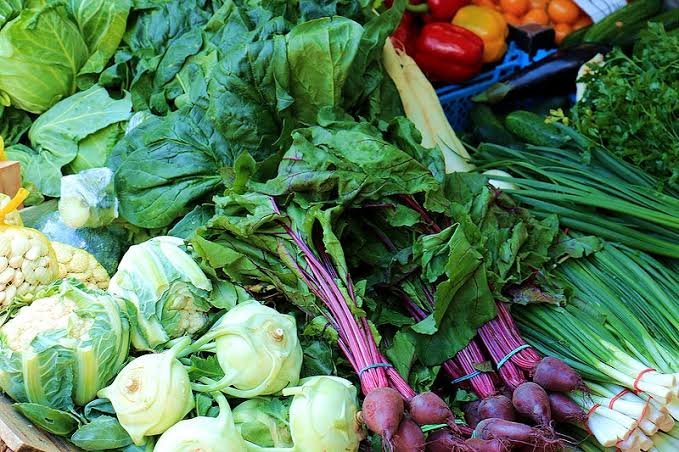
High blood pressure, also called hypertension, is one of the most important risk factors for heart disease, stroke, kidney disease, and other serious health complications. Although medication is sometimes necessary, nutrition and lifestyle changes can play an important role in preventing and managing high blood pressure.

A heart-healthy eating pattern can help lower blood pressure by reducing excessive sodium intake, increasing potassium-rich foods, improving overall diet quality, supporting a healthy body weight, and reducing excessive intake of saturated fats, added sugars, and highly processed foods.
Table of Contents
One of the best-known dietary approaches for blood pressure management is the DASH diet, which stands for Dietary Approaches to Stop Hypertension. DASH emphasizes vegetables, fruits, whole grains, legumes, nuts, seeds, low-fat or fat-free dairy products, fish, poultry, and other nutritious foods while limiting sodium, sweets, sugary beverages, and foods high in saturated fat.
However, managing high blood pressure does not require following a rigid diet. The principles behind DASH can be adapted to different cultures, budgets, food preferences, and locally available foods.
What Is High Blood Pressure?
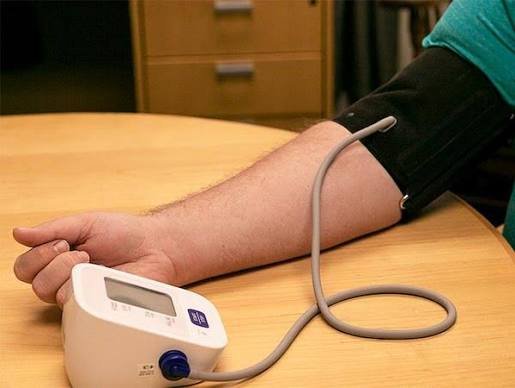
Blood pressure is the force exerted by circulating blood against the walls of the arteries.
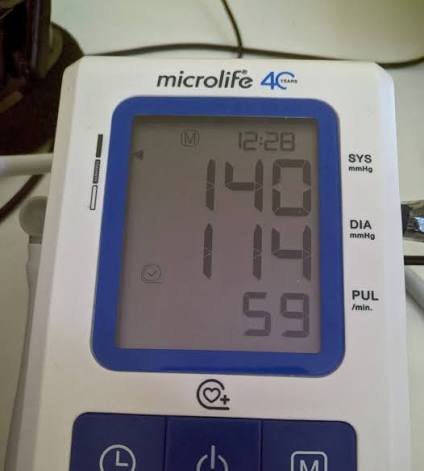
A blood pressure measurement contains two numbers:
- Systolic blood pressure: the pressure in the arteries when the heart contracts.
- Diastolic blood pressure: the pressure in the arteries when the heart relaxes between beats.
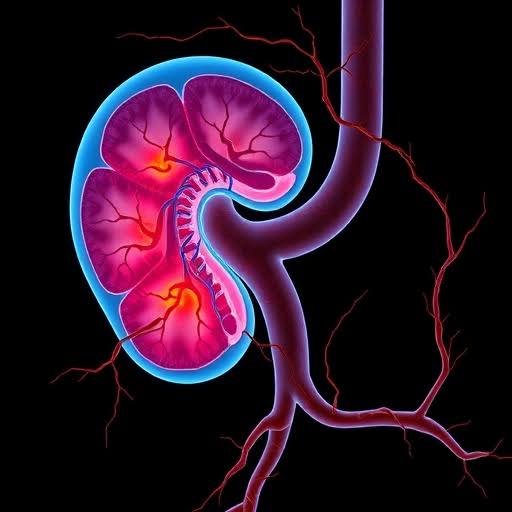
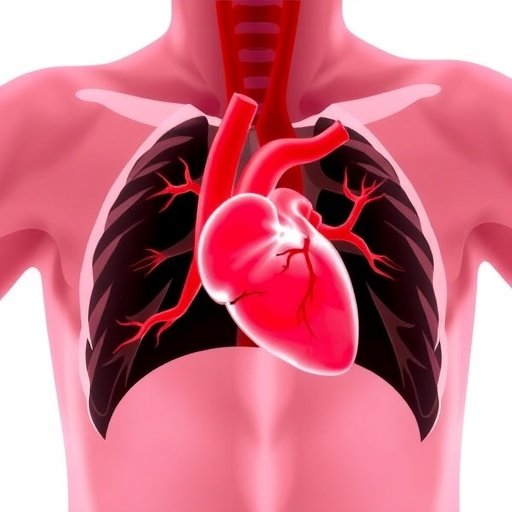
Persistently elevated blood pressure places additional stress on the cardiovascular system. Over time, untreated hypertension can contribute to damage to the heart, brain, kidneys, blood vessels, and other organs.
High blood pressure often produces no obvious symptoms, which is why regular blood pressure checks are important. The World Health Organization notes that the only reliable way to know whether someone has hypertension is to have their blood pressure measured. WHO
Why Nutrition Matters for Blood Pressure
Diet influences several factors that affect blood pressure.
For example, excessive sodium intake can increase blood pressure, while diets rich in vegetables and fruits can provide potassium and other nutrients associated with healthier blood pressure.
Diet also influences body weight, blood glucose, cholesterol levels, and cardiovascular health. Improving the overall quality of the diet can therefore provide benefits beyond blood pressure alone.
The American Heart Association recommends a heart-healthy dietary pattern rich in vegetables, fruits, whole grains, healthy protein sources, nuts, seeds, and unsaturated fats while limiting sodium, added sugars, saturated fat, trans fat, highly processed foods, and excessive alcohol. American Heart Association
The DASH Diet for High Blood Pressure
The Dietary Approaches to Stop Hypertension eating plan was developed specifically around dietary strategies that can help lower blood pressure.
DASH emphasizes:
- Vegetables.
- Fruits.
- Whole grains.
- Beans and other legumes.
- Nuts and seeds.
- Low-fat or fat-free dairy products.
- Fish.
- Poultry.
- Other lean protein sources.
It limits:
- Excess sodium.
- Foods high in saturated fat.
- Fatty and processed meats.
- Sweets.
- Sugar-sweetened beverages.
- Highly processed foods.
The DASH approach is not simply a low-salt diet. It is an overall dietary pattern that improves the nutritional quality of meals while reducing several dietary factors associated with cardiovascular risk.
How DASH Helps Lower Blood Pressure
DASH provides foods that are naturally rich in nutrients such as potassium, magnesium, calcium, and dietary fiber while reducing excessive sodium and unhealthy fats.
Its emphasis on vegetables, fruits, whole grains, legumes, nuts, and seeds also helps increase the intake of minimally processed plant foods.
Research supporting DASH has demonstrated that the eating pattern can lower blood pressure, particularly when combined with reduced sodium intake.
The National Heart, Lung, and Blood Institute identifies DASH as an evidence-based approach for helping lower and manage blood pressure. NHLBI
Sodium and High Blood Pressure
Sodium is one of the most important nutrients to consider when managing hypertension.
Sodium is an essential mineral involved in fluid balance, nerve function, and other physiological processes. However, excessive sodium intake can contribute to elevated blood pressure.
The World Health Organization recommends that adults consume less than 2,000 mg of sodium per day, equivalent to less than 5 grams of salt per day.
The American Heart Association recommends no more than 2,300 mg of sodium per day, with an ideal limit of 1,500 mg for most adults, particularly people with high blood pressure. American Heart Association
Individual recommendations can vary, particularly for people with kidney disease, heart failure, or other medical conditions.
Salt vs. Sodium: What Is the Difference?
Salt and sodium are related but are not exactly the same thing.
Table salt is primarily sodium chloride. Sodium is the mineral listed on nutrition labels.
Approximately 1 gram of sodium corresponds to about 2.5 grams of salt, while 2,000 mg of sodium corresponds to approximately 5 grams of salt.
This distinction matters because a food can contain significant sodium even when you do not add salt at the table.
Where Does Dietary Sodium Come From?
Many people assume that most dietary sodium comes from the salt shaker. However, processed and packaged foods can contribute substantial amounts of sodium.
Potential sources include:
- Processed meats.
- Instant noodles.
- Salty snacks.
- Packaged soups.
- Stock cubes and bouillon.
- Commercial sauces.
- Salty condiments.
- Cheese.
- Some breads.
- Fast foods.
- Ready-made meals.
- Canned foods with added sodium.
WHO notes that important sources of sodium vary according to local diets and food traditions, but processed foods and high-sodium condiments can be significant contributors. WHO Sodium Reduction Guidance
How to Reduce Sodium Intake
Reducing sodium does not mean that food has to become tasteless.
Try the following strategies:
- Remove the salt shaker from the table.
- Use less salt when cooking.
- Use garlic, ginger, herbs, spices, lemon, lime, and other flavorings.
- Choose fresh foods more often.
- Compare sodium levels on food labels.
- Choose low-sodium or no-salt-added canned foods.
- Rinse canned beans and vegetables before eating.
- Limit processed meats.
- Reduce highly salted snacks.
- Use commercial sauces and condiments sparingly.
- Limit instant meals and instant noodles.
Reducing salt gradually can help your taste preferences adapt to less salty foods.
Potassium and Blood Pressure
Potassium is another important mineral in blood pressure management.
Many fruits, vegetables, legumes, and other plant foods naturally provide potassium.
Examples include:
- Bananas.
- Oranges.
- Avocados.
- Tomatoes.
- Spinach.
- Beans.
- Lentils.
- Potatoes.
- Sweet potatoes.
- Other vegetables and fruits.
Potassium can help counter some of the effects of excessive sodium intake, but increasing potassium is not appropriate for everyone.
People with chronic kidney disease or certain medical conditions may have difficulty removing potassium from the blood. Some medications can also affect potassium levels.
Anyone with kidney disease or who takes medications that affect potassium should consult a healthcare professional before deliberately increasing potassium intake or using potassium-containing salt substitutes.
Eat More Vegetables
Vegetables are a cornerstone of a blood-pressure-friendly eating pattern.
They provide potassium, magnesium, fiber, vitamins, minerals, and many beneficial plant compounds while generally being relatively low in calories.
Try to include vegetables such as:
- Spinach.
- Kale.
- Cabbage.
- Broccoli.
- Cauliflower.
- Carrots.
- Tomatoes.
- Green beans.
- Bell peppers.
- Eggplant.
- Okra.
- Cucumber.
Fresh vegetables are excellent choices, but frozen vegetables without added sauces and lower-sodium canned vegetables can also be useful.
Eat More Fruits
Whole fruits can be an important component of a heart-healthy diet.
Fruits provide potassium, fiber, vitamins, minerals, water, and plant compounds.
Examples include:
- Oranges.
- Bananas.
- Apples.
- Mangoes.
- Guavas.
- Papayas.
- Berries.
- Melons.
- Pears.
Whole fruit is generally preferable to large amounts of fruit juice because whole fruit retains its natural fiber structure and is usually more filling.
Whole Grains and Blood Pressure
Whole grains can contribute fiber, magnesium, and other nutrients to the diet.
Examples include:
- Oats.
- Brown rice.
- Whole-wheat bread.
- Whole-grain pasta.
- Barley.
- Millet.
- Sorghum.
- Whole-grain maize products.
Replacing some refined grains with whole grains can improve overall dietary quality.
Beans, Lentils, and Other Legumes
Legumes are affordable and nutrient-dense foods that can fit very well into a blood-pressure-friendly diet.
They provide protein, fiber, potassium, magnesium, and other nutrients.
Examples include:
- Kidney beans.
- Cowpeas.
- Chickpeas.
- Lentils.
- Black beans.
- Green peas.
- Soybeans.
Using legumes more frequently can also reduce reliance on processed meats and other high-sodium protein foods.
Nuts and Seeds
Nuts and seeds provide healthy unsaturated fats, protein, fiber, magnesium, and other nutrients.
Good options include:
- Peanuts.
- Almonds.
- Walnuts.
- Sunflower seeds.
- Pumpkin seeds.
- Sesame seeds.
- Chia seeds.
- Flaxseeds.
Choose unsalted varieties when possible because salted nuts and seeds can add significant sodium.
Choose Healthy Protein Sources
Protein is an important part of a balanced diet, but the source matters.
DASH and other heart-healthy eating patterns emphasize foods such as:
- Fish.
- Skinless poultry.
- Beans.
- Lentils.
- Nuts.
- Seeds.
- Low-fat or fat-free dairy products.
- Lean meats in appropriate amounts.
Replacing some processed meat with fish, legumes, nuts, seeds, or other minimally processed protein sources can help reduce sodium and saturated fat intake.
Fish and Heart Health
Fish can be a nutritious source of protein, and fatty fish such as sardines, mackerel, and salmon provide omega-3 fatty acids.
Fish can be prepared by grilling, baking, steaming, or roasting instead of deep-frying.
When choosing canned fish, compare sodium levels and select lower-sodium options when available.
Low-Fat or Fat-Free Dairy Products
Dairy products can provide calcium, protein, and other nutrients.
The DASH dietary pattern traditionally emphasizes low-fat or fat-free dairy products.
Options include:
- Low-fat milk.
- Plain low-fat yogurt.
- Reduced-fat dairy products.
- Fortified low-fat or unsweetened plant-based alternatives.
When selecting packaged dairy products, check added sugar and sodium levels as well.
Limit Saturated Fat
Saturated fat is found in foods such as fatty meats, butter, ghee, cream, some cheeses, and certain tropical oils.
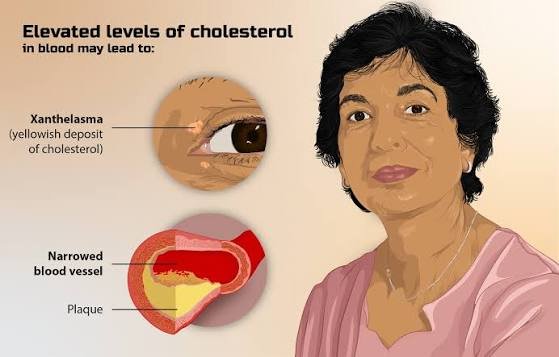
Excessive saturated fat intake can contribute to unhealthy blood cholesterol levels, which can increase cardiovascular risk.
A heart-healthy diet can replace some sources of saturated fat with unsaturated fats from foods such as nuts, seeds, avocado, fish, and appropriate plant oils.
Limit Trans Fats
Industrially produced trans fats are particularly undesirable for cardiovascular health.
They may occur in some processed foods when partially hydrogenated oils are used.
Check ingredient lists where appropriate and limit foods containing partially hydrogenated oils.
Reduce Added Sugars
Added sugars do not directly cause every case of hypertension, but diets high in added sugars can contribute to excess calorie intake and weight gain, while sugary beverages can make it easier to consume large amounts of sugar quickly.
Common sources include:
- Soft drinks.
- Sweetened juices.
- Energy drinks.
- Sweetened tea and coffee.
- Cakes.
- Cookies.
- Candy.
- Sweetened cereals.
- Sweetened dairy products.
Water and unsweetened beverages are generally better everyday choices.
Limit Processed and Highly Salty Foods
Reducing processed foods can be one of the most effective ways to lower sodium intake.
Foods that may contain large amounts of sodium include:
- Processed meats.
- Instant noodles.
- Packaged soups.
- Salty snacks.
- Fast foods.
- Commercial sauces.
- Stock cubes.
- Some ready-made meals.
- Salted crackers.
- Some canned foods.
This does not mean every packaged food must be eliminated. Reading labels and choosing lower-sodium options can make a substantial difference.
Healthy Fats for Blood Pressure Management
Not all dietary fats have the same effects on health.
Heart-conscious diets generally emphasize unsaturated fats from foods such as:
- Avocado.
- Nuts.
- Seeds.
- Fish.
- Olive oil.
- Sunflower oil.
- Soybean oil.
- Other non-tropical vegetable oils.
Portion size still matters because oils, nuts, and seeds are energy-dense.
Dietary Fiber and Blood Pressure
Fiber is found primarily in plant foods and should be an important component of a healthy eating pattern.
Good sources include vegetables, fruits, legumes, whole grains, nuts, and seeds.
Increasing fiber-rich foods can improve overall diet quality and may also help with weight management and cardiovascular health.
If your current diet is low in fiber, increase your intake gradually and drink enough fluids to reduce the possibility of digestive discomfort.
Alcohol and High Blood Pressure
Alcohol can raise blood pressure, particularly when consumed in excessive amounts.
Reducing alcohol intake can therefore be an important part of hypertension management.
The American Heart Association recommends drinking less or no alcohol to help lower or prevent high blood pressure.
People who do not drink alcohol should not start drinking for the purpose of improving cardiovascular health.
Water and Hydration
Water is generally an excellent beverage choice for people managing blood pressure.
Replacing sugary drinks with water can reduce added sugar and calorie intake.
However, people with certain medical conditions, such as advanced kidney disease or heart failure, may have individualized fluid requirements. If you have been instructed to restrict fluids, follow your healthcare professional’s recommendations.
The Role of Weight Management
Excess body weight can increase the risk of high blood pressure.
For people who are overweight or have obesity, gradual and sustainable weight loss can improve several cardiovascular risk factors.
The American Heart Association notes that even modest weight loss can support blood pressure management in people with excess weight.
The goal should be a sustainable eating pattern rather than extreme calorie restriction or rapid weight-loss diets.
Can a Healthy Diet Replace Blood Pressure Medication?
Not necessarily.
Some people can substantially improve their blood pressure through lifestyle changes, but others require medication even when they follow a healthy diet.
Blood pressure medication should never be stopped or reduced without medical advice.
Nutrition should be viewed as an important component of hypertension treatment rather than an automatic replacement for prescribed medication.
Foods to Eat More Often
A practical shopping list for a blood-pressure-friendly diet might include:
- Fresh or frozen vegetables.
- Fresh whole fruits.
- Beans and lentils.
- Whole grains.
- Unsalted nuts and seeds.
- Fish.
- Skinless poultry.
- Low-fat or fat-free dairy products.
- Unsweetened dairy alternatives.
- Avocado.
- Healthy vegetable oils.
- Herbs and spices.
Foods to Eat Less Often
Foods to limit can include:
- Processed meats.
- Very salty snacks.
- Instant noodles.
- Highly salted sauces.
- Foods containing large amounts of added sugar.
- Sugar-sweetened beverages.
- Foods high in saturated fat.
- Deep-fried foods eaten frequently.
- Highly processed convenience meals.
- Excessive amounts of alcohol.
How to Build a Blood-Pressure-Friendly Plate
You do not need to calculate every nutrient at every meal.
A simple plate approach can help:
- Half the plate: vegetables.
- One-quarter: fish, beans, lentils, poultry, or another healthy protein.
- One-quarter: whole grains or another minimally processed carbohydrate.
- Add: a modest amount of healthy fat.
- Drink: water or another unsweetened beverage.
This approach can be adapted to many traditional cuisines.
Example One-Day Meal Plan for High Blood Pressure
| Meal | Example |
|---|---|
| Breakfast | Oatmeal with banana, unsalted nuts, and plain low-fat yogurt. |
| Lunch | Beans or grilled fish with a large serving of vegetables and a moderate portion of brown rice or another whole grain. |
| Snack | Fresh fruit and a small serving of unsalted nuts or seeds. |
| Dinner | Grilled fish, skinless poultry, or lentils with vegetables and a moderate serving of sweet potato or whole grains. |
| Drinks | Water and unsweetened tea. |
This is a general example and is not a personalized medical meal plan. People with kidney disease, diabetes, heart failure, or other medical conditions may require different nutritional recommendations.
Adapting DASH to Traditional Foods
Following a blood-pressure-friendly diet does not mean abandoning traditional foods.
The principles of DASH can be adapted to local ingredients and cultural eating patterns.
For example, a traditional meal can be improved by:
- Increasing the proportion of vegetables.
- Using beans or lentils more frequently.
- Reducing added salt.
- Using less salty stock cubes and sauces.
- Choosing grilled, steamed, boiled, or baked foods more often.
- Reducing processed meats.
- Using appropriate portions of rice, maize, potatoes, cassava, or other staple foods.
- Including fresh fruit instead of sugary desserts.
- Choosing water instead of sugar-sweetened beverages.
This makes healthy eating more realistic and sustainable.
How to Read Food Labels for Sodium
Nutrition labels can help you identify foods that contain large amounts of sodium.
When comparing products, look at:
- Sodium per serving.
- Serving size.
- Number of servings in the package.
- Saturated fat.
- Added sugars.
- Dietary fiber.
- Total calories.
A product that appears low in sodium per serving may contain a substantial amount if you eat several servings.
Comparing similar products can help you choose the lower-sodium option.
Healthy Cooking Strategies
Changing cooking habits can make a significant difference.
Use Herbs and Spices
Garlic, ginger, black pepper, paprika, turmeric, coriander, cumin, basil, rosemary, and other herbs and spices can add flavor without relying entirely on salt.
Choose Fresh Ingredients
Fresh foods often make it easier to control the amount of sodium added during cooking.
Reduce Stock Cubes
Many stock cubes and bouillon products contain substantial amounts of sodium. Use them sparingly or look for lower-sodium alternatives.
Rinse Canned Foods
Rinsing canned beans and vegetables can help remove some of the sodium on the surface.
Choose Healthier Cooking Oils
Use moderate amounts of unsaturated vegetable oils rather than relying heavily on butter, lard, or other sources high in saturated fat.
Eating Out With High Blood Pressure
Restaurant meals can contain more sodium than expected.
When eating out:
- Ask for food to be prepared with less salt.
- Request sauces and dressings on the side.
- Choose grilled, steamed, baked, or roasted foods.
- Limit processed meats.
- Choose vegetables as side dishes.
- Avoid adding extra table salt.
- Drink water or an unsweetened beverage.
- Pay attention to portion sizes.
Budget-Friendly Approaches to Lower Blood Pressure
A healthy diet does not have to be expensive.
Affordable foods can include:
- Dried beans.
- Lentils.
- Seasonal vegetables.
- Local fruits.
- Oats.
- Whole grains.
- Eggs.
- Locally available fish.
- Unsalted peanuts.
- Frozen vegetables.
Cooking at home, buying seasonal produce, purchasing dried legumes in larger quantities, and planning meals can reduce food costs.
Common Mistakes When Trying to Lower Blood Pressure Through Diet
Only Removing the Salt Shaker
Removing table salt is useful, but sodium can also come from processed foods, sauces, stock cubes, snacks, and restaurant meals.
Eating Too Much Processed “Healthy” Food
Some packaged foods marketed as healthy can still contain significant sodium, added sugar, or saturated fat. Always check the nutrition label.
Drinking Too Much Fruit Juice
Fruit juice can provide significant amounts of naturally occurring sugar and calories without the same fiber structure as whole fruit.
Ignoring Portion Sizes
Even nutritious foods can contribute excessive calories when eaten in very large amounts.
Expecting Immediate Results
Dietary changes can improve blood pressure, but results vary. Consistency is more important than following a perfect diet for a few days.
Other Lifestyle Changes That Support Blood Pressure Management
Nutrition is only one part of managing hypertension.
Other important lifestyle measures include:
- Regular physical activity.
- Maintaining a healthy body weight.
- Not smoking.
- Limiting alcohol.
- Getting adequate sleep.
- Managing stress.
- Taking prescribed medications correctly.
- Checking blood pressure regularly when recommended.
WHO recommends physical activity, healthier eating, weight management, and tobacco cessation among the lifestyle measures that can help prevent and manage high blood pressure. WHO Hypertension Guidance
When to Seek Medical Advice
Dietary changes are important, but high blood pressure should not be managed through diet alone without appropriate medical evaluation.
Speak with a healthcare professional if you have consistently elevated blood pressure or have been diagnosed with hypertension.
Professional guidance is particularly important if you also have:
- Kidney disease.
- Heart disease.
- Diabetes.
- Heart failure.
- Abnormal potassium levels.
- Other chronic conditions.
- Multiple medications.
People taking blood pressure medication should not stop or change their medication without medical advice.
Frequently Asked Questions About Dietary Approaches for High Blood Pressure
What is the best diet for high blood pressure?
The DASH eating pattern is one of the best-studied dietary approaches for lowering blood pressure. It emphasizes vegetables, fruits, whole grains, legumes, nuts, seeds, low-fat dairy products, fish, poultry, and other nutritious foods while limiting sodium, sweets, sugary drinks, and foods high in saturated fat.
How much salt should someone with high blood pressure eat?
WHO recommends that adults consume less than 5 grams of salt per day, equivalent to less than 2,000 mg of sodium. Some people may benefit from a lower sodium intake under medical guidance.
Can eating bananas lower blood pressure?
Bananas provide potassium, which is important for blood pressure regulation. However, no single food should be considered a treatment for hypertension. Overall dietary patterns matter more than individual foods.
What foods should people with high blood pressure avoid?
It is generally helpful to limit foods high in sodium, processed meats, salty snacks, highly processed foods, excessive saturated fat, added sugars, and sugar-sweetened beverages.
Can I eat rice if I have high blood pressure?
Yes. Rice can be part of a balanced diet. Choosing whole-grain varieties when practical and keeping portions appropriate can help improve overall diet quality.
Are potatoes bad for high blood pressure?
Potatoes can be part of a healthy diet and provide potassium and other nutrients. Preparation and portion size matter. Boiled, baked, or steamed potatoes are generally preferable to frequently consuming highly salted or deep-fried potato products.
Can drinking water lower blood pressure?
Water is important for normal body function and is generally a healthy beverage choice, especially when it replaces sugary drinks. However, drinking excessive amounts of water is not a treatment for hypertension, and some people with heart or kidney conditions may have fluid restrictions.
Is the DASH diet suitable for everyone?
DASH can be adapted to many people, but individuals with kidney disease, certain heart conditions, abnormal potassium levels, or other medical conditions may require modifications. Personalized advice from a healthcare professional may be necessary.
Can losing weight lower blood pressure?
For people with excess weight, gradual weight loss can help lower blood pressure and improve other cardiovascular risk factors. Even modest weight loss can be beneficial.
Can I stop my blood pressure medication if my diet improves?
No. Never stop or change prescribed blood pressure medication without consulting your healthcare professional. Dietary improvements may reduce blood pressure, but medication requirements must be determined individually.
Conclusion
Diet can play a powerful role in preventing and managing high blood pressure. The goal is not simply to remove salt from meals but to improve the overall quality of the diet.
A blood-pressure-friendly eating pattern should emphasize vegetables, fruits, whole grains, legumes, nuts, seeds, fish, healthy protein sources, and appropriate amounts of unsaturated fats. At the same time, it should reduce excessive sodium, processed meats, sugary beverages, added sugars, saturated fats, trans fats, and highly processed foods.
The DASH eating pattern provides a useful evidence-based framework, but its principles can be adapted to local foods, cultural traditions, personal preferences, and household budgets.
Reducing sodium is particularly important. WHO recommends less than 2,000 mg of sodium per day for adults, equivalent to less than 5 grams of salt. Because much dietary sodium can come from processed foods and condiments, effective sodium reduction involves more than simply putting less salt on food.
Finally, nutrition should be combined with other healthy lifestyle habits, including regular physical activity, healthy weight management, not smoking, adequate sleep, appropriate alcohol intake, regular blood pressure monitoring, and taking prescribed medications.
A healthier diet may not eliminate the need for medication, but it can become an important part of a comprehensive strategy for protecting the heart, brain, kidneys, and blood vessels from the long-term effects of high blood pressure.
Sources and References
- National Heart, Lung, and Blood Institute — DASH Eating Plan
- World Health Organization — Hypertension
- World Health Organization — Sodium Reduction
- World Health Organization — Healthy Diet
- American Heart Association — High Blood Pressure: Top 10 Things to Know
- American Heart Association — Managing Blood Pressure With a Heart-Healthy Diet
- American Heart Association — Reducing Sodium to Lower High Blood Pressure
- American Heart Association — 2026 Dietary Guidance to Improve Cardiovascular Health
1 Comment