
Overnutrition is a form of malnutrition that occurs when the body receives more energy or nutrients than it needs over time. Although malnutrition is often associated with inadequate food intake and nutrient deficiencies, consuming excessive amounts of calories, certain nutrients, or unhealthy foods can also cause serious health problems.

Overnutrition has become increasingly common in many parts of the world as diets have changed and highly processed foods, sugary drinks, large portion sizes, and sedentary lifestyles have become more widespread. It can contribute to overweight and obesity and increase the risk of conditions such as type 2 diabetes, cardiovascular disease, high blood pressure, fatty liver disease, and some cancers.
Understanding what overnutrition is, what causes it, its symptoms, health effects, and how to prevent it can help people make healthier dietary and lifestyle choices.
Table of Contents
What Is Overnutrition?
Overnutrition is a type of malnutrition caused by excessive intake of energy, nutrients, or food in relation to the body’s needs.
The body requires energy and nutrients to maintain vital functions, support growth, repair tissues, and perform daily activities. However, consistently consuming more energy than the body uses can result in excess energy being stored, primarily as body fat.
Overnutrition can involve excessive intake of:
- Calories
- Fats
- Saturated fats
- Added sugars
- Sodium
- Certain vitamins and minerals
- Protein in some circumstances
- Highly processed foods
The most common form of overnutrition is excessive calorie intake, which can lead to overweight and obesity.
However, a person can have excess calorie intake while still lacking certain essential nutrients. This is sometimes described as overnutrition with micronutrient deficiencies or a form of malnutrition in which diet quality is poor.
For example, a person may consume many calories from sugary drinks, fried foods, sweets, and refined carbohydrates while eating very few vegetables, fruits, legumes, and other nutrient-rich foods.
Therefore, overnutrition is not simply about eating “too much food.” It can also involve consuming an unhealthy balance of nutrients.
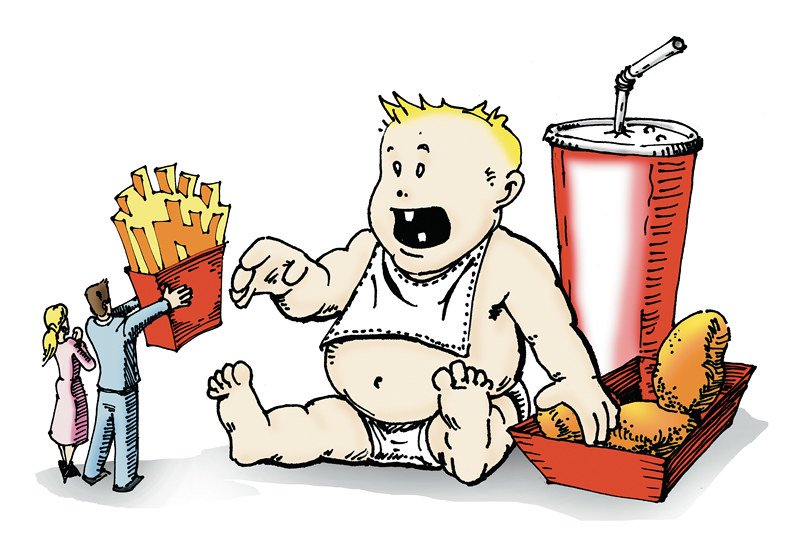
Overnutrition and Malnutrition
Many people associate malnutrition only with hunger and nutrient deficiencies. In reality, malnutrition includes both undernutrition and overnutrition.
The major forms of malnutrition include:
- Undernutrition – inadequate energy or nutrient intake.
- Micronutrient deficiencies – insufficient intake or absorption of vitamins and minerals.
- Overweight and obesity – excessive accumulation of body fat.
- Diet-related noncommunicable diseases – health problems associated with unhealthy dietary patterns.
This means that a person does not necessarily have to be underweight to experience malnutrition.
Overnutrition can occur when an individual’s diet provides excessive energy while lacking dietary variety and important nutrients.
Causes of Overnutrition
Overnutrition usually develops because of a combination of dietary, behavioral, environmental, social, and biological factors.
1. Excessive Calorie Intake
The most direct cause of overnutrition is consistently consuming more calories than the body requires.
The body uses energy for:
- Breathing
- Circulation
- Digestion
- Physical activity
- Maintaining body temperature
- Growth and tissue repair
- Everyday movement
When calorie intake regularly exceeds energy expenditure, the excess energy can be stored as fat.
Occasional overeating is not necessarily a problem. The concern arises when excessive energy intake becomes a long-term pattern.
2. Eating Large Portions
Portion sizes have an important influence on energy intake.
Large portions can make it easy to consume more calories than necessary, particularly when foods are energy-dense.
Restaurants, fast-food outlets, packaged snacks, and large serving containers may encourage people to eat more than they intended.
Learning appropriate portion sizes can help reduce excessive calorie intake.
3. High Consumption of Processed Foods
Highly processed foods can contribute to overnutrition when they are frequently consumed in large quantities.
Examples include:
- Sugary cereals
- Sweetened baked goods
- Cakes
- Biscuits
- Candy
- Chips
- Fast food
- Processed meats
- Sugar-sweetened beverages
- Some packaged snack foods
Many of these foods are energy-dense and may contain substantial amounts of added sugars, sodium, or unhealthy fats.
4. Excessive Sugar Intake
High intake of added sugars can increase total calorie consumption.
Common sources include:
- Soft drinks
- Energy drinks
- Sweetened tea and coffee
- Sweets
- Cakes
- Cookies
- Desserts
- Sweetened breakfast products
Sugary drinks are particularly important because they can provide substantial calories without creating the same feeling of fullness as many solid foods.
5. Excessive Fat Intake
Dietary fat provides more calories per gram than carbohydrates or protein. Foods high in fat can therefore be very energy-dense.
Examples include:
- Fried foods
- Fatty meats
- Some processed foods
- Pastries
- High-fat sauces
- Large amounts of cooking oils
- Some snack foods
Fat itself is an essential nutrient, but excessive calorie intake from high-fat foods can contribute to weight gain.
6. Physical Inactivity
A sedentary lifestyle reduces the amount of energy the body uses.
Modern lifestyles can involve long periods of:
- Sitting
- Watching television
- Using computers
- Using smartphones
- Driving
- Working at a desk
When energy intake remains high while physical activity is low, excess energy can accumulate.
7. Emotional Eating
Some people eat more food when they experience stress, boredom, sadness, loneliness, or other emotions.
Emotional eating may involve frequent consumption of high-calorie foods, particularly foods that are sweet, salty, or high in fat.
If emotional eating becomes persistent, it can contribute to overnutrition and unwanted weight gain.
8. Lack of Nutrition Knowledge
Limited knowledge about nutrition and portion sizes can contribute to unhealthy eating patterns.
People may not realize how many calories or how much added sugar, sodium, or saturated fat certain foods contain.
Nutrition education can help individuals make informed dietary decisions.
9. Environmental Factors
The food environment can influence eating behavior.
Easy access to inexpensive, highly processed, energy-dense foods may encourage excessive consumption.
Advertising, food availability, portion sizes, and eating outside the home can all influence dietary habits.
Symptoms and Signs of Overnutrition
Overnutrition does not always produce obvious symptoms during its early stages.
Some people may gradually gain weight without experiencing significant discomfort.
Possible signs associated with excessive energy intake include:
- Unintentional or progressive weight gain
- Increased body fat
- Increased waist circumference
- Feeling sluggish or tired
- Breathlessness during physical activity
- Reduced physical fitness
- Difficulty maintaining a healthy weight
- Frequent consumption of large portions
- Regular overeating
- High intake of sugary or processed foods
Some effects may only become apparent through medical evaluation.
For example, a person may have high blood pressure, elevated blood glucose, abnormal cholesterol levels, or fatty liver disease without obvious symptoms.
Therefore, regular health assessments can be useful, particularly for people at increased risk of diet-related diseases.
Health Effects of Overnutrition
Long-term overnutrition can have significant effects on physical health.
1. Overweight and Obesity
One of the most recognizable consequences of chronic excess calorie intake is weight gain.
When the body consistently receives more energy than it uses, some of the excess energy is stored as body fat.
Over time, excessive accumulation of body fat can lead to overweight or obesity.
2. Type 2 Diabetes
Overnutrition, particularly when associated with excess body weight and an unhealthy dietary pattern, can increase the risk of type 2 diabetes.
Type 2 diabetes occurs when the body becomes less responsive to insulin and blood glucose levels remain elevated.
Maintaining a healthy weight, eating a balanced diet, and engaging in regular physical activity can help reduce risk.
3. Cardiovascular Disease
Long-term unhealthy dietary patterns and excess body weight can contribute to cardiovascular risk factors such as:
- High blood pressure
- Abnormal cholesterol levels
- Insulin resistance
- Chronic inflammation
These factors can increase the risk of heart disease and stroke.
4. High Blood Pressure
Excess body weight and high sodium intake can contribute to elevated blood pressure in susceptible individuals.
Persistently high blood pressure can damage blood vessels and increase the risk of cardiovascular and kidney disease.
5. Fatty Liver Disease
Excess energy intake and metabolic problems can contribute to the accumulation of fat in the liver.
Metabolic dysfunction-associated steatotic liver disease, commonly known as fatty liver disease, can range from simple fat accumulation to more serious liver inflammation and damage.
6. Joint Problems
Carrying excess body weight places additional stress on weight-bearing joints.
This may contribute to joint pain and increase the risk of osteoarthritis, particularly in areas such as the knees and hips.
7. Sleep Problems
Overweight and obesity are associated with an increased risk of sleep-disordered breathing, including obstructive sleep apnea.
Symptoms can include:
- Loud snoring
- Interrupted breathing during sleep
- Morning headaches
- Excessive daytime sleepiness
Anyone experiencing these symptoms should discuss them with a healthcare professional.
8. Increased Risk of Some Cancers
Higher body weight and certain dietary patterns are associated with increased risks of several types of cancer.
The relationship between diet, body weight, metabolism, and cancer is complex, and risk varies according to individual and environmental factors.
9. Reduced Physical Fitness
Excess body weight can make physical activity more difficult.
This can create a cycle in which reduced activity contributes to further energy imbalance and additional weight gain.
Overnutrition in Children
Overnutrition can affect children and adolescents as well as adults.
Childhood overnutrition may result from a combination of:
- Excessive calorie intake
- Frequent consumption of sugary foods and drinks
- Large portions
- Low physical activity
- Excessive screen time
- Family eating patterns
- Environmental influences
Children need sufficient energy and nutrients for growth and development, so restrictive dieting should not be used without appropriate professional guidance.
Instead, healthy eating habits should focus on nutritious foods, appropriate portions, regular meals, physical activity, adequate sleep, and a positive relationship with food.
Parents and caregivers can support children by making nutritious foods readily available and establishing healthy family eating habits.
Overnutrition During Pregnancy
Pregnancy increases nutritional requirements, but this does not mean that a pregnant person needs to eat unlimited amounts of food.
Excessive energy intake and excessive pregnancy weight gain can be associated with health complications.
Nutritional needs during pregnancy vary depending on factors such as:
- Pre-pregnancy weight
- Stage of pregnancy
- Activity level
- Overall health
- Individual nutritional requirements
Pregnant people should work with qualified healthcare professionals to determine appropriate nutrition and weight-gain recommendations.
Diagnosis of Overnutrition
There is no single test that diagnoses all forms of overnutrition.
Healthcare professionals may assess several factors, including:
Body Mass Index
Body mass index (BMI) is calculated using weight and height.
BMI can help classify weight status at a population level, but it does not directly measure body fat and should not be interpreted in isolation.
Waist Circumference
Waist circumference can provide information about abdominal fat and metabolic risk.
Dietary Assessment
A healthcare professional or dietitian may ask about:
- Typical meals
- Snacks
- Beverage consumption
- Portion sizes
- Eating patterns
- Frequency of processed foods
- Alcohol intake
Blood Tests
Depending on the person’s circumstances, healthcare professionals may assess:
- Blood glucose
- HbA1c
- Cholesterol
- Triglycerides
- Liver enzymes
- Other relevant markers
The exact tests depend on individual health concerns.
Treatment of Overnutrition
Treatment depends on the cause, severity, associated health conditions, and individual needs.
The goal is generally to improve overall health and dietary quality rather than simply focusing on weight.
1. Improve Dietary Quality
A balanced eating pattern can include:
- Vegetables
- Fruits
- Whole grains
- Beans and legumes
- Nuts and seeds
- Lean sources of protein
- Appropriate amounts of healthy fats
- Water and other nutritious beverages
Highly processed foods and foods high in added sugars, sodium, and saturated fat can be consumed less frequently or in smaller amounts.
2. Control Portion Sizes
Portion control can help reduce excessive calorie intake.
Useful strategies include:
- Eating slowly
- Using appropriately sized plates
- Paying attention to hunger and fullness
- Avoiding eating directly from large packages
- Planning meals
- Serving reasonable portions
3. Increase Physical Activity
Regular physical activity supports cardiovascular health, muscle strength, metabolic health, and overall well-being.
Activities may include:
- Walking
- Cycling
- Swimming
- Dancing
- Running
- Strength training
- Sports
- Household activities
The appropriate activity level depends on age, health status, and fitness level.
4. Reduce Sugary Drinks
Replacing sugary drinks with water or unsweetened beverages can reduce unnecessary calorie intake.
This can be a practical dietary change for people who regularly consume soft drinks, sweetened juices, energy drinks, or heavily sweetened beverages.
5. Improve Sleep
Adequate sleep supports overall health and may help regulate appetite and eating behavior.
Adults generally benefit from maintaining a consistent sleep schedule and creating healthy sleep habits.
6. Manage Stress
Stress management can be useful when emotional eating contributes to excessive food intake.
Helpful approaches may include:
- Exercise
- Relaxation techniques
- Adequate sleep
- Social support
- Hobbies
- Mindfulness
- Professional counseling when appropriate
7. Work With a Healthcare Professional
People with obesity, diabetes, high blood pressure, fatty liver disease, or other conditions related to overnutrition may benefit from individualized medical and nutritional care.
A registered dietitian or qualified nutrition professional can help develop an appropriate eating plan.
How to Prevent Overnutrition
Prevention starts with establishing healthy dietary and lifestyle habits.
Eat a Balanced Diet
Try to include a variety of foods from different food groups.
A varied diet makes it easier to obtain essential vitamins, minerals, protein, fiber, and other nutrients without relying heavily on energy-dense foods.
Eat More Fiber-Rich Foods
Fiber is found in foods such as:
- Vegetables
- Fruits
- Beans
- Lentils
- Whole grains
- Nuts
- Seeds
Fiber can support digestive health and may help promote feelings of fullness.
Limit Excess Added Sugar
Reducing foods and drinks high in added sugars can help manage total calorie intake.
Pay particular attention to beverages because liquid calories can be consumed quickly.
Watch Portion Sizes
Even nutritious foods can contribute to excess calorie intake when eaten in very large amounts.
Balanced portions are an important part of healthy eating.
Stay Physically Active
Regular movement helps maintain physical fitness and supports energy balance.
Choose activities that are enjoyable and realistic enough to maintain over time.
Drink Enough Water
Water is essential for health and can be a useful alternative to sugar-sweetened beverages.
Develop Healthy Eating Habits
Healthy habits include:
- Eating regular meals
- Planning meals in advance
- Eating slowly
- Paying attention to hunger and fullness
- Limiting distracted eating
- Choosing nutrient-dense foods
Overnutrition vs Undernutrition
Overnutrition and undernutrition are different forms of malnutrition.
| Feature | Overnutrition | Undernutrition |
|---|---|---|
| Main problem | Excess energy or nutrient intake | Insufficient energy or nutrient intake |
| Common outcome | Overweight or obesity | Underweight, wasting, stunting |
| Possible causes | Excess calories, unhealthy diet, inactivity | Food insecurity, illness, poor absorption |
| Major risks | Diabetes, cardiovascular disease, fatty liver disease | Weak immunity, poor growth, nutrient deficiencies |
| Prevention | Balanced diet and healthy activity | Adequate nutritious food and healthcare |
Importantly, both conditions can occur in the same population and sometimes even in the same individual at different stages of life.
Can You Have Overnutrition and Nutrient Deficiencies?
Yes.
A person can consume too many calories while failing to consume enough essential vitamins and minerals.
For example, a diet dominated by sugary drinks, refined grains, fried foods, and highly processed snacks may provide substantial energy but insufficient amounts of:
- Iron
- Vitamin A
- Vitamin C
- Folate
- Calcium
- Zinc
- Other essential nutrients
This is one reason why diet quality matters in addition to calorie intake.
A nutritious diet should provide an appropriate amount of energy along with a wide variety of essential nutrients.
Overnutrition and the Double Burden of Malnutrition
The term double burden of malnutrition describes the coexistence of different forms of malnutrition, such as undernutrition, micronutrient deficiencies, overweight, and obesity within individuals, households, or populations.
This situation is increasingly important because communities can experience food insecurity while also having greater access to inexpensive, energy-dense foods.
As a result, someone may have inadequate access to nutrient-rich foods while consuming sufficient or excessive calories.
Addressing overnutrition therefore requires more than simply telling people to eat less. Food quality, affordability, availability, nutrition education, physical activity, healthcare access, and the broader food environment can all matter.
Healthy Foods That Can Help Prevent Overnutrition
A balanced diet can emphasize nutrient-dense foods such as:
Vegetables
Leafy greens, tomatoes, carrots, peppers, broccoli, cabbage, onions, and other vegetables provide vitamins, minerals, fiber, and other beneficial compounds.
Fruits
Fruits provide carbohydrates, fiber, vitamins, minerals, and other nutrients.
Legumes
Beans, lentils, peas, and chickpeas provide protein, fiber, vitamins, and minerals.
Whole Grains
Whole grains such as oats, brown rice, whole-grain maize, and whole-grain breads can provide fiber and other nutrients.
Protein-Rich Foods
Depending on dietary preferences, healthy protein sources can include fish, eggs, poultry, beans, lentils, nuts, seeds, and other minimally processed foods.
Healthy Fats
Foods such as nuts, seeds, avocado, and some vegetable oils provide essential fatty acids and other nutrients.
The goal is not to eliminate fat, carbohydrates, or any particular food group. Instead, the emphasis should be on balance, variety, moderation, and overall dietary quality.
When to Seek Professional Help
Consider speaking with a healthcare professional if you are experiencing:
- Rapid or unexplained weight gain
- Persistent fatigue
- High blood pressure
- High blood glucose
- Abnormal cholesterol levels
- Persistent digestive problems
- Difficulty controlling eating habits
- Concerns about obesity
- Symptoms of sleep apnea
- Concerns about a child’s growth or weight
Medical professionals can determine whether an underlying condition, medication, eating disorder, or other factor is contributing to excessive food intake or weight gain.
Frequently Asked Questions About Overnutrition
1. What is overnutrition?
Overnutrition is a form of malnutrition that occurs when the body receives excessive amounts of energy or certain nutrients compared with its needs. Chronic excess calorie intake can contribute to overweight and obesity.
2. What causes overnutrition?
Common causes include excessive calorie intake, large portion sizes, frequent consumption of highly processed foods, sugary drinks, physical inactivity, emotional eating, and environmental factors that make energy-dense foods readily available.
3. Is overnutrition the same as obesity?
No. Overnutrition refers to excessive intake of energy or nutrients, while obesity is a condition characterized by excessive accumulation of body fat. Chronic overnutrition can contribute to obesity, but the terms are not identical.
4. Can overnutrition occur in children?
Yes. Children can experience overnutrition when energy intake consistently exceeds their needs. Childhood overnutrition may contribute to excess weight and increase the risk of health problems.
5. Can a person be overnourished and have vitamin deficiencies?
Yes. A person can consume excessive calories while having an inadequate intake of essential vitamins and minerals. This can happen when the diet contains many highly processed foods but lacks dietary variety.
6. What are the health effects of overnutrition?
Potential health effects include overweight and obesity, type 2 diabetes, high blood pressure, cardiovascular disease, fatty liver disease, joint problems, sleep apnea, and increased risk of certain cancers.
7. Does eating too much sugar cause overnutrition?
Excessive consumption of added sugars can contribute to overnutrition by increasing calorie intake. Sugary drinks and sweets are common sources of added sugar.
8. Can lack of exercise cause overnutrition?
Physical inactivity does not directly cause excessive food intake, but it reduces energy expenditure. When high calorie intake is combined with low physical activity, the resulting energy imbalance can contribute to weight gain.
9. How can overnutrition be prevented?
Overnutrition can be reduced by eating a varied and balanced diet, controlling portions, limiting highly processed foods and sugary drinks, staying physically active, getting adequate sleep, and maintaining healthy eating habits.
10. Is all dietary fat unhealthy?
No. Fat is an essential nutrient and plays important roles in the body. The focus should be on the overall amount and types of fat consumed as part of a balanced diet.
11. Is overeating occasionally considered overnutrition?
Occasional overeating does not necessarily mean a person has overnutrition. Overnutrition generally refers to a sustained pattern of excessive intake relative to the body’s needs.
12. Can overnutrition cause diabetes?
Long-term excess energy intake, particularly when associated with excess body weight and other risk factors, can increase the risk of type 2 diabetes.
13. Can overnutrition cause high blood pressure?
Overnutrition and excess body weight can contribute to high blood pressure. High sodium intake may also increase blood pressure in susceptible individuals.
14. What foods commonly contribute to overnutrition?
Foods that may contribute when consumed excessively include sugary drinks, sweets, fried foods, highly processed snacks, fast foods, large portions of energy-dense foods, and foods high in added sugars or unhealthy fats.
15. What is the difference between overnutrition and malnutrition?
Overnutrition is actually one form of malnutrition. Malnutrition is a broad term that includes undernutrition, micronutrient deficiencies, overweight, obesity, and diet-related health problems.
16. Can overnutrition affect the liver?
Yes. Excess energy intake and metabolic dysfunction can contribute to fat accumulation in the liver and increase the risk of metabolic dysfunction-associated steatotic liver disease.
17. How is overnutrition treated?
Treatment usually involves improving dietary quality, managing portion sizes, increasing appropriate physical activity, addressing contributing behaviors, and treating related health conditions. Individualized advice from a healthcare professional may be appropriate.
18. Is calorie counting necessary to prevent overnutrition?
Not necessarily. Some people find calorie tracking useful, while others can manage energy intake through portion awareness, balanced meals, mindful eating, and choosing nutrient-dense foods.
19. Can overnutrition happen even if someone exercises?
Yes. Physical activity is beneficial, but very high energy intake can still exceed the body’s energy needs. Diet and physical activity both contribute to overall energy balance.
20. Why is overnutrition an important public health issue?
Overnutrition is important because it is associated with increasing rates of overweight, obesity, type 2 diabetes, cardiovascular disease, and other chronic conditions. Addressing it requires attention to individual behaviors as well as broader food and lifestyle environments.
Conclusion
Overnutrition is a form of malnutrition caused by excessive intake of energy or nutrients relative to the body’s needs. It is commonly associated with long-term excess calorie intake and can contribute to overweight, obesity, diabetes, cardiovascular disease, high blood pressure, fatty liver disease, and other health problems.
However, overnutrition is not simply about eating too much. A person can consume excessive calories while still failing to obtain enough essential vitamins and minerals. For this reason, diet quality, variety, portion sizes, physical activity, and overall lifestyle all matter.
Preventing overnutrition involves developing sustainable habits rather than following extreme diets. Eating a variety of nutrient-dense foods, limiting excessive amounts of added sugars and highly processed foods, choosing appropriate portions, staying physically active, sleeping adequately, and seeking professional advice when necessary can support long-term health.
Understanding overnutrition is an important step toward improving nutrition and preventing diet-related diseases. A balanced approach to food—focused on nourishment, moderation, variety, and healthy habits—can help people meet their nutritional needs without consistently consuming more energy than their bodies require.
Sources: ScienceDirect, Harvard University, WikiPedia
[…] Causes, Types, Symptoms, Treatment, and Prevention Overnutrition: Causes, Symptoms, Health Effects, Prevention, and Treatment Undernutrition: Causes, Symptoms, Types, Treatment & […]