
Vitamin A is an essential fat-soluble vitamin that plays an important role in vision, immune function, growth, development, reproduction, and the maintenance of healthy tissues. Although the body needs vitamin A in relatively small amounts, an adequate supply is essential for normal health and development.
Table of Contents
Vitamin A is available in two major dietary forms. Preformed vitamin A, including retinol and retinyl esters, is found mainly in animal foods such as liver, fish, eggs, and dairy products. Provitamin A carotenoids, including beta-carotene, are found mainly in colorful fruits and vegetables. The body can convert some of these carotenoids into vitamin A.
Vitamin A deficiency can cause serious health problems, particularly involving the eyes and immune system. It remains an important public-health concern in many low- and middle-income countries, especially among young children and pregnant women in populations where diets do not provide enough vitamin A.
At the same time, consuming excessive amounts of preformed vitamin A, particularly from high-dose supplements, can be harmful. Understanding the difference between getting enough vitamin A and getting too much is therefore important.
This guide explains what vitamin A is, its functions and benefits, food sources, recommended intake, deficiency symptoms, risk factors, supplements, toxicity, and frequently asked questions.
What Is Vitamin A?
Vitamin A is a group of fat-soluble compounds that the body needs for several important biological processes.
Unlike water-soluble vitamins, fat-soluble vitamins can be stored in the body. Vitamin A is stored primarily in the liver, where it can be released when needed.
There are two broad dietary categories of vitamin A.
Preformed Vitamin A
Preformed vitamin A is found primarily in animal-derived foods. The major forms include retinol and retinyl esters.
Common sources include:
- Liver
- Fish and fish-liver products
- Eggs
- Milk
- Cheese
- Other dairy products
- Some fortified foods
Because these foods provide vitamin A in a form that is readily available to the body, they can make a significant contribution to vitamin A intake.

Provitamin A Carotenoids
Provitamin A carotenoids are plant compounds that the body can convert into vitamin A.
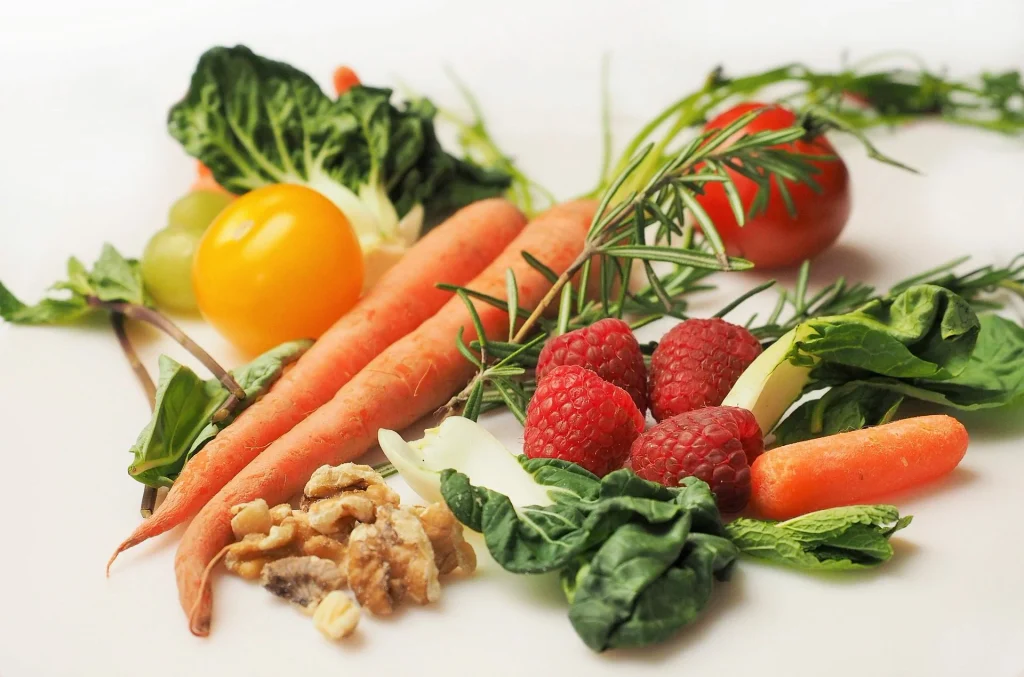
Beta-carotene is the best-known example. It is found in many orange, yellow, and dark-green fruits and vegetables.
Common sources include:
- Carrots
- Sweet potatoes
- Pumpkin
- Spinach
- Kale
- Other dark-green leafy vegetables
- Mangoes
- Papaya
The body’s conversion of carotenoids into vitamin A varies from person to person.
What Does Vitamin A Do?
Vitamin A is involved in several important functions throughout the body.
Vitamin A and Vision
Vitamin A is essential for normal vision.
It participates in the production and function of visual pigments in the retina. These pigments are particularly important for seeing in low-light conditions.
When vitamin A intake is severely inadequate, people may develop difficulty seeing in dim light, commonly called night blindness.
More severe deficiency can damage the eye and may eventually result in blindness. Xerophthalmia refers to the range of eye problems associated with vitamin A deficiency.
Vitamin A and the Immune System
Vitamin A contributes to normal immune function.
It helps maintain epithelial tissues that form protective barriers in areas such as the respiratory tract and digestive tract. It also participates in normal immune responses.
Vitamin A deficiency can increase vulnerability to infections and can be particularly dangerous for children in populations where deficiency is common.
Vitamin A and Growth and Development
Vitamin A is involved in normal cell growth and differentiation.
It is therefore important during periods of rapid growth and development, including childhood and pregnancy.
Adequate vitamin A contributes to the normal development and maintenance of organs and tissues throughout the body.
Vitamin A and Reproductive Health
Vitamin A participates in normal reproductive processes in both men and women.
It is also involved in embryonic development, making adequate vitamin A important during pregnancy.
However, pregnancy requires particular care because excessive amounts of preformed vitamin A can be harmful to a developing fetus.
Vitamin A and Healthy Tissues
Vitamin A helps maintain healthy epithelial tissues, including tissues found in the skin, respiratory system, digestive system, and other organs.
Its role in cell differentiation means that vitamin A contributes to the normal development and maintenance of specialized cells.
Vitamin A Benefits
Maintaining adequate vitamin A intake can support several aspects of health.
Important vitamin A benefits include:
- Supporting normal vision
- Helping maintain healthy eyes
- Supporting normal immune function
- Contributing to normal growth and development
- Supporting reproductive processes
- Helping maintain healthy epithelial tissues
- Participating in normal cellular differentiation
- Supporting the normal function of organs such as the heart, lungs, and eyes
However, getting more vitamin A than the body requires does not necessarily provide additional health benefits. In particular, excessive intake of preformed vitamin A can cause toxicity.
Foods High in Vitamin A
A balanced diet can provide vitamin A through both animal and plant foods.
Liver
Liver is an exceptionally concentrated source of preformed vitamin A.
Because of its high vitamin A content, very large or frequent servings can contribute substantial amounts of vitamin A. People should therefore avoid assuming that eating more liver is always better.
Sweet Potatoes
Orange-fleshed sweet potatoes are rich in beta-carotene.
They can be incorporated into meals in a variety of ways, including roasting, boiling, steaming, or adding them to stews and soups.
Carrots
Carrots contain beta-carotene, which gives them their characteristic orange color.
Regularly including carrots as part of a varied diet can contribute to overall vitamin A intake.
Dark Green Leafy Vegetables
Vegetables such as spinach, kale, and other dark-green leafy vegetables provide carotenoids and many other nutrients.
Including leafy vegetables regularly is a practical way to increase the nutrient density of meals.
Pumpkin
Pumpkin contains beta-carotene and can be used in soups, stews, porridges, and other dishes.
Mangoes and Papaya
Mangoes and papaya provide provitamin A carotenoids and can be included as part of a varied diet.
Eggs
Eggs, particularly the yolk, provide preformed vitamin A along with protein and other nutrients.
Milk and Dairy Products
Milk, cheese, and other dairy products can contribute to vitamin A intake. Some dairy foods are also fortified with vitamin A.
Fish
Fish can provide vitamin A, while some fish-liver products contain particularly concentrated amounts.

Vitamin A Food Sources: Animal vs. Plant Foods
Animal and plant foods provide different forms of vitamin A.
| Food category | Main form of vitamin A | Examples |
|---|---|---|
| Animal foods | Preformed vitamin A | Liver, eggs, dairy, fish |
| Plant foods | Provitamin A carotenoids | Carrots, sweet potatoes, pumpkin, spinach, mangoes |
| Fortified foods | Depends on fortificant | Fortified milk and other products |
Eating a varied diet can provide both preformed vitamin A and provitamin A carotenoids.
How Much Vitamin A Do You Need?
Vitamin A requirements depend on age, sex, and life stage.
Recommended intake is expressed in micrograms of retinol activity equivalents (RAE) because different forms of vitamin A have different biological activity.
For adults, the recommended dietary allowance is generally:
- Adult men: 900 mcg RAE per day
- Adult women: 700 mcg RAE per day
Requirements can change during pregnancy and breastfeeding, while children need different amounts depending on age.
Because vitamin A is stored in the body, consuming substantially more than recommended is not automatically beneficial.
Vitamin A Deficiency
Vitamin A deficiency occurs when the body does not have enough vitamin A to meet physiological needs.
It remains a significant public-health issue in many developing countries, particularly among young children and pregnant women in low-income populations. WHO identifies vitamin A deficiency as an important nutritional problem, especially in parts of Africa and South-East Asia.
Signs and Symptoms of Vitamin A Deficiency
Possible signs include:
- Difficulty seeing in low light
- Night blindness
- Dry eyes
- Xerophthalmia
- Increased susceptibility to infections
- Impaired growth in children
- Other problems associated with severe nutritional deficiency
Eye-related symptoms are particularly important because vitamin A deficiency can progress from night blindness to more severe eye damage if it is not addressed.
Night Blindness
Night blindness is one of the most recognizable manifestations of vitamin A deficiency.
A person may have difficulty seeing in dim lighting or adapting when moving from a brightly lit environment into darkness.
However, night blindness can have causes other than vitamin A deficiency. Persistent vision problems should therefore be evaluated by an appropriate healthcare professional.
Xerophthalmia
Xerophthalmia describes a spectrum of eye changes caused by vitamin A deficiency.
It can include night blindness and progressive changes to the surface of the eye. Severe cases can damage the cornea and result in permanent blindness.
Who Is at Risk of Vitamin A Deficiency?
Certain groups are more likely to experience vitamin A deficiency.
These include:
- Young children in areas where deficiency is common
- Pregnant women in populations with inadequate vitamin A intake
- Breastfeeding women in high-risk populations
- People with severe dietary restrictions
- People with conditions that interfere with fat absorption
- People with certain gastrointestinal disorders
- People experiencing severe malnutrition
Conditions such as Crohn’s disease, ulcerative colitis, and celiac disease can interfere with nutrient absorption and may increase the risk of vitamin A inadequacy in some individuals.
Vitamin A Deficiency in Children
Children require adequate nutrition for normal growth and development.
Vitamin A deficiency can affect children’s vision and immune function and can increase the health risks associated with certain infections.
In countries and regions where vitamin A deficiency is a public-health problem, vitamin A supplementation programs may be used for eligible children alongside broader nutrition and health interventions. WHO recommends vitamin A supplementation in specific high-risk settings according to public-health guidance.
Parents and caregivers should follow local health authority recommendations regarding supplementation rather than giving children high-dose adult vitamin A products.
Vitamin A During Pregnancy
Vitamin A is important during pregnancy because it contributes to normal embryonic development and maternal health.
However, excessive intake of preformed vitamin A can increase the risk of birth defects.
Pregnant women should therefore avoid high-dose vitamin A supplements unless they have been specifically recommended by a qualified healthcare professional.
Obtaining vitamin A through a varied diet is generally an important part of maintaining adequate nutritional status.
Causes of Vitamin A Deficiency
Vitamin A deficiency can result from several factors.
Inadequate Dietary Intake
A diet that consistently provides too few sources of vitamin A or provitamin A carotenoids can contribute to deficiency.
This can be associated with food insecurity, restricted diets, or limited access to diverse foods.
Fat Malabsorption
Vitamin A is fat-soluble, so conditions that interfere with fat digestion or absorption can reduce vitamin A absorption.
Certain gastrointestinal, pancreatic, and liver conditions can affect vitamin A status.
Liver Problems
The liver plays an important role in vitamin A storage and metabolism.
Certain liver disorders can therefore interfere with normal vitamin A handling.
Malnutrition
Vitamin A deficiency can occur alongside other forms of malnutrition.
Addressing nutritional deficiency may therefore require a broader dietary and healthcare approach rather than focusing on vitamin A alone.
Vitamin A Supplements
Vitamin A supplements are available as individual supplements and as components of multivitamins.
Supplementation may be appropriate in people with diagnosed deficiency or in specific public-health programs.
However, supplementation is not necessary for everyone.
Before using a high-dose vitamin A supplement, consider:
- Your normal dietary intake
- Whether deficiency has been diagnosed
- Other supplements you use
- Your age
- Pregnancy status
- Existing medical conditions
- Advice from a healthcare professional
Vitamin A Toxicity
Because vitamin A is fat-soluble and can be stored in the body, excessive intake of preformed vitamin A can lead to toxicity.
This condition is known as hypervitaminosis A.
Possible symptoms of excessive vitamin A intake include:
- Headache
- Nausea
- Dizziness
- Blurred vision
- Fatigue
- Skin changes
- Bone or joint discomfort
- Abnormal liver function
The adult tolerable upper intake level for preformed vitamin A is 3,000 mcg RAE per day. This upper limit applies to total intake from food, beverages, and supplements and does not apply to people taking vitamin A under medical supervision for a specific condition.
Can You Get Too Much Vitamin A From Food?
The form of vitamin A matters.
Preformed vitamin A from sources such as liver can contribute substantial amounts of vitamin A.
Provitamin A carotenoids such as beta-carotene do not cause the same type of vitamin A toxicity. Very high beta-carotene intake can cause the skin to develop a yellow-orange appearance called carotenemia, which is generally harmless and resolves when intake decreases.
However, high-dose beta-carotene supplements have specific safety concerns. NIH notes that smokers, former smokers, and people exposed to asbestos should avoid high-dose beta-carotene supplements because studies have found increased risks of lung cancer and death in these groups.
Vitamin A and Pregnancy Safety
Pregnancy is a particularly important time to pay attention to vitamin A intake.
Adequate vitamin A is necessary, but excessive preformed vitamin A can harm fetal development.
Women who are pregnant or may become pregnant should be cautious with supplements containing high amounts of preformed vitamin A and should discuss supplementation with their healthcare provider.
Vitamin A and Beta-Carotene
Beta-carotene is a provitamin A carotenoid.
The body can convert beta-carotene into vitamin A, although the efficiency of conversion varies.
Beta-carotene is found in many orange, yellow, and dark-green foods.
Good dietary sources include:
- Carrots
- Sweet potatoes
- Pumpkin
- Mangoes
- Papaya
- Spinach
- Kale
- Other dark-green leafy vegetables
Including a variety of colorful plant foods can help increase intake of carotenoids.
How to Improve Vitamin A Absorption
Vitamin A and carotenoids are fat-soluble.
Including some dietary fat with meals containing carotenoid-rich foods can support their absorption.
For example, vegetables can be eaten with foods containing healthy fats such as:
- Avocado
- Nuts and seeds
- Vegetable oils
- Fish
- Other nutrient-dense sources of fat
The goal is a balanced meal rather than consuming excessive amounts of dietary fat.
Cooking and Vitamin A
Cooking can affect carotenoid availability.
In some vegetables, cooking and processing can make certain carotenoids easier for the body to absorb.
However, cooking can also affect other nutrients, so there is no need to rely on a single preparation method.
Eating vegetables prepared in a variety of ways can help create a diverse and nutritious diet.
Vitamin A and Eye Health
Vitamin A is essential for maintaining normal vision.
Adequate vitamin A supports the visual cycle and helps maintain healthy tissues in the eye.
However, vitamin A is not a universal treatment for eye disease.
Eye conditions such as cataracts, glaucoma, diabetic eye disease, and other causes of vision loss have different risk factors and treatments.
Anyone experiencing persistent or worsening vision changes should seek appropriate eye care rather than taking vitamin A supplements without a diagnosis.
Vitamin A and Skin Health
Vitamin A contributes to normal skin-cell growth and differentiation.
Vitamin A-related compounds called retinoids are also used in dermatology for certain skin conditions.
However, oral vitamin A supplements should not be treated as general-purpose skin treatments. Excessive intake can cause toxicity.
A nutritious diet and appropriate evidence-based skin care are more appropriate foundations for maintaining healthy skin.
Vitamin A and Hair Health
Vitamin A contributes to normal cell growth, but more vitamin A does not necessarily mean healthier hair.
Hair loss can have numerous causes, including nutritional deficiencies, hormonal factors, genetics, medical conditions, medications, and other factors.
Excessive vitamin A intake can itself contribute to hair loss.
People experiencing persistent or unexplained hair loss should seek professional evaluation rather than taking high-dose vitamin A supplements.
Vitamin A and Immune Health
Vitamin A is important for normal immune function.
It helps maintain epithelial barriers and supports normal immune responses.
However, vitamin A supplements should not be viewed as a substitute for a balanced diet, vaccination, hygiene, appropriate medical care, or other measures that protect against infectious disease.
For people who are deficient, correcting vitamin A deficiency can be particularly important for normal immune function.
Vitamin A and Other Nutrients
Vitamin A works within a broader nutritional system.
Other nutrients important for overall health include:
- Vitamin C
- Vitamin D
- Vitamin E
- Vitamin K
- B vitamins
- Iron
- Zinc
- Calcium
- Magnesium
- Protein
- Essential fatty acids
A varied diet provides multiple nutrients at the same time.
WHO recommends diets containing a wide variety of nutrient-dense foods, including fruits, vegetables, whole grains, legumes, nuts, seeds, and appropriate animal-source foods.
Vitamin A Deficiency vs. Vitamin A Toxicity
Both insufficient and excessive vitamin A intake can cause health problems.
| Vitamin A deficiency | Excessive preformed vitamin A |
|---|---|
| Night blindness | Headache |
| Dry eyes | Nausea |
| Xerophthalmia | Dizziness |
| Increased vulnerability to infections | Blurred vision |
| Impaired growth in children | Skin changes |
| Severe eye damage | Liver abnormalities |
| Increased health risks in severe deficiency | Bone and joint problems |
The goal is to maintain adequate vitamin A status rather than consuming the highest possible amount.
How to Get Enough Vitamin A Naturally
For many people, a varied diet can provide adequate vitamin A.
Practical strategies include:
- Eat dark-green leafy vegetables regularly.
- Include orange-fleshed sweet potatoes or pumpkin.
- Eat colorful fruits such as mangoes and papaya.
- Include eggs, dairy, fish, or fortified foods where appropriate.
- Eat a variety of vegetables rather than relying on one food.
- Include moderate amounts of healthy dietary fat with meals.
- Avoid unnecessary high-dose vitamin A supplements.
- Seek medical advice if vitamin A deficiency is suspected.
Frequently Asked Questions About Vitamin A
What is vitamin A?
Vitamin A is an essential fat-soluble vitamin needed for normal vision, immune function, growth, development, reproduction, and maintenance of healthy tissues.
What does vitamin A do?
Vitamin A supports normal vision, immune function, cell differentiation, growth and development, reproduction, and the maintenance of several organs and tissues.
What foods are high in vitamin A?
Foods that provide vitamin A include liver, fish, eggs, dairy products, and fortified foods. Plant sources of provitamin A carotenoids include carrots, sweet potatoes, pumpkin, spinach, mangoes, and papaya.
What are the symptoms of vitamin A deficiency?
Symptoms can include difficulty seeing in low light, night blindness, dry eyes, and more severe eye damage. Deficiency can also increase susceptibility to infections and cause other health problems, particularly in vulnerable populations.
Can vitamin A deficiency cause night blindness?
Yes. Night blindness is a recognized manifestation of vitamin A deficiency and can occur because vitamin A is required for normal visual function.
Can you take too much vitamin A?
Yes. Excessive intake of preformed vitamin A can cause toxicity. High doses can produce symptoms such as headache, nausea, dizziness, blurred vision, and liver abnormalities.
Is vitamin A safe during pregnancy?
Vitamin A is necessary during pregnancy, but excessive amounts of preformed vitamin A can increase the risk of fetal harm. Pregnant women should discuss high-dose vitamin A supplements with a healthcare professional.
Is beta-carotene the same as vitamin A?
No. Beta-carotene is a provitamin A carotenoid. The body can convert some beta-carotene into vitamin A.
Is vitamin A good for the skin?
Vitamin A is important for normal skin-cell growth and maintenance. Certain vitamin A-derived retinoids are also used for specific dermatological conditions, but taking high-dose vitamin A supplements is not recommended as a general skin treatment.
Is vitamin A good for eyesight?
Vitamin A is essential for normal vision, and correcting vitamin A deficiency can address deficiency-related vision problems. Taking extra vitamin A when you already have adequate levels does not necessarily improve eyesight.
Should I take a vitamin A supplement?
Not everyone needs a vitamin A supplement. Many people can obtain adequate vitamin A through a varied diet. Supplements may be appropriate in cases of deficiency or under specific public-health programs, but high doses can be harmful.
Which fruits contain vitamin A?
Mangoes and papaya are examples of fruits that contain provitamin A carotenoids. The amount and form of carotenoids vary between foods.
What vegetables are high in vitamin A?
Carrots, orange-fleshed sweet potatoes, pumpkin, spinach, kale, and other dark-green leafy vegetables are useful sources of provitamin A carotenoids.
Final Thoughts on Vitamin A
Vitamin A is an essential nutrient that supports normal vision, immune function, growth, development, reproduction, and healthy tissues. It can be obtained from animal foods containing preformed vitamin A and from colorful plant foods containing provitamin A carotenoids. Vitamin A deficiency remains an important public-health concern in many parts of the world, particularly among young children and pregnant women in vulnerable populations, while excessive intake of preformed vitamin A can also cause harm.
Sources: NIH Office of Dietary Supplements Vitamin A Fact Sheet, the NIH Vitamin A Health Professional Fact Sheet, and the World Health Organization information on vitamin A.