
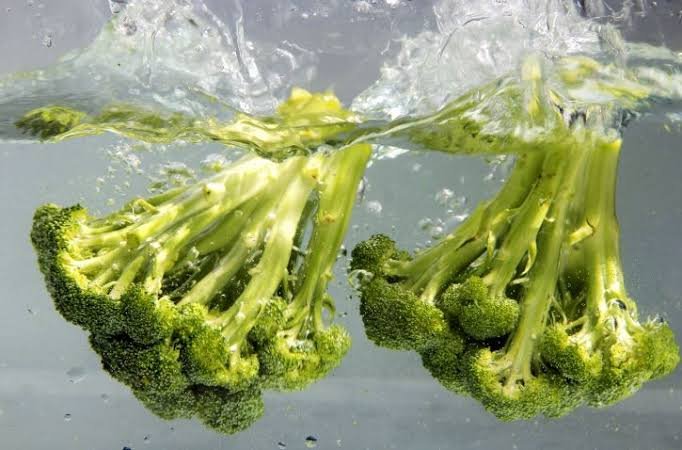
Vitamin K is an essential fat-soluble vitamin that plays an important role in blood clotting, bone health, and several other functions in the body. Although vitamin K deficiency is uncommon among healthy adults who eat a varied diet, certain medical conditions, medications, and problems with nutrient absorption can increase the risk of deficiency.
Table of Contents
Vitamin K occurs naturally in several forms. The two major dietary forms are vitamin K1, also known as phylloquinone, and vitamin K2, a group of compounds known as menaquinones. Vitamin K1 is especially abundant in green leafy vegetables, while vitamin K2 occurs in certain fermented foods and animal-derived foods.
What Is Vitamin K?
Vitamin K is a group of fat-soluble compounds that the body needs for normal blood clotting and other physiological processes.
The name vitamin K comes from the German word “Koagulation,” referring to coagulation, or blood clotting.
Vitamin K works as a cofactor for enzymes that activate several vitamin K-dependent proteins. These proteins are involved in blood coagulation, bone metabolism, and other biological functions.
Unlike water-soluble vitamins, vitamin K is stored and processed as a fat-soluble nutrient. Its absorption in the intestine is therefore influenced by normal fat digestion and absorption.
Types of Vitamin K
The main forms of vitamin K relevant to human nutrition are vitamin K1 and vitamin K2.
Vitamin K1
Vitamin K1, or phylloquinone, is the main dietary form of vitamin K.
It is found primarily in green leafy vegetables and is also present in vegetable oils and some other plant foods.
Common vitamin K1 sources include:
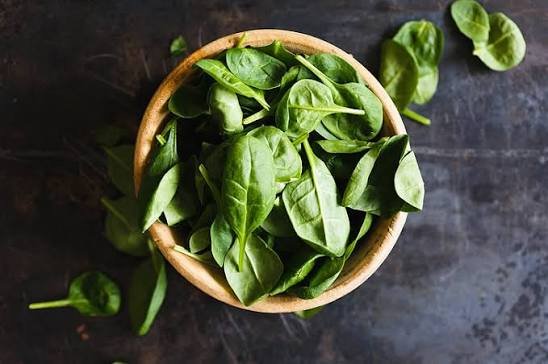
- Spinach
- Kale
- Broccoli
- Lettuce
- Cabbage
- Collard greens
- Green vegetables
- Vegetable oils
Vitamin K2
Vitamin K2 refers to several menaquinones, including MK-4 through MK-13.
Menaquinones occur in certain fermented foods and animal-derived foods. Natto, a fermented soybean food, is particularly rich in certain forms of vitamin K2. Cheese and some other fermented foods may also contain menaquinones.
Some menaquinones are also produced by bacteria in the human digestive tract.
What Does Vitamin K Do?
Vitamin K has several important functions in the body.
Vitamin K and Blood Clotting
The best-established function of vitamin K is its role in normal blood clotting.
Vitamin K is required for the activation of several proteins involved in coagulation, including prothrombin, also known as clotting factor II.
When a blood vessel is damaged, the body needs an effective clotting system to help control bleeding. Adequate vitamin K is therefore essential for this process.
Vitamin K and Bone Health
Vitamin K also contributes to bone metabolism.
It is involved in activating osteocalcin, a vitamin K-dependent protein found in bone. Researchers have studied the relationship between vitamin K intake, vitamin K-dependent proteins, bone mineral density, and osteoporosis. However, bone health depends on many nutrients and lifestyle factors rather than vitamin K alone.
Vitamin K and Calcium Metabolism
Vitamin K-dependent proteins are involved in processes related to calcium metabolism.
Because calcium is important for bones, muscles, nerves, and other functions, vitamin K has attracted scientific interest in relation to bone and mineral health.
However, more research is needed to determine the extent to which vitamin K supplementation affects long-term health outcomes in different populations.

Health Benefits of Vitamin K
1. Supports Normal Blood Clotting
Vitamin K is essential for the normal function of several clotting proteins.
Without sufficient vitamin K, the blood’s ability to clot normally can become impaired. Severe deficiency can lead to abnormal bleeding.
This is one of the primary reasons vitamin K is considered an essential nutrient.
2. Supports Bone Health
Vitamin K participates in the activation of proteins involved in bone metabolism.
Some studies have associated higher vitamin K intake or status with measures of bone health, although research findings are not completely consistent. Bone health also depends on adequate calcium, vitamin D, protein, physical activity, hormones, age, genetics, and overall nutrition.
3. Helps Activate Vitamin K-Dependent Proteins
Vitamin K is needed for the activation of several proteins throughout the body.
These proteins are involved in:
- Blood coagulation
- Bone metabolism
- Calcium-related processes
- Other physiological functions
This means that vitamin K has roles extending beyond blood clotting alone.
Foods High in Vitamin K
A varied diet can provide vitamin K through vegetables, oils, fermented foods, and some animal-derived foods.
Green Leafy Vegetables
Green leafy vegetables are among the richest sources of vitamin K1.
Examples include:
- Kale
- Spinach
- Collard greens
- Lettuce
- Cabbage
- Swiss chard
- Other dark green vegetables
Including leafy greens regularly can make a significant contribution to vitamin K intake.
Broccoli
Broccoli provides vitamin K along with fiber and other vitamins and minerals.
It can be eaten steamed, boiled, roasted, or incorporated into soups, salads, and other meals.
Vegetable Oils
Certain vegetable oils contain vitamin K1.
Soybean and canola oils are among the sources identified by the NIH Office of Dietary Supplements.
Fermented Foods
Some fermented foods contain vitamin K2.
Natto, a traditional fermented soybean food, is particularly rich in menaquinones. Certain cheeses and other fermented foods can also contain vitamin K2, although the amount can vary depending on the microorganisms and fermentation process.
Meat, Eggs, and Dairy Foods
Meat, eggs, and dairy products can provide smaller amounts of vitamin K, including certain menaquinones.
The amount varies depending on the specific food and production methods.
Fruits and Other Foods
Some fruits, including blueberries and figs, contain vitamin K, although leafy green vegetables generally provide substantially more vitamin K1.
Vitamin K Food Sources at a Glance
| Food group | Main vitamin K contribution |
|---|---|
| Kale and leafy greens | Vitamin K1 |
| Spinach | Vitamin K1 |
| Broccoli | Vitamin K1 |
| Lettuce | Vitamin K1 |
| Cabbage | Vitamin K1 |
| Vegetable oils | Vitamin K1 |
| Natto | Vitamin K2 |
| Some cheeses | Vitamin K2 |
| Meat | Some vitamin K2 |
| Eggs | Some vitamin K2 |
| Soybeans | Vitamin K forms vary |
| Some fruits | Smaller amounts of vitamin K |
The exact amount of vitamin K varies according to the food, serving size, preparation method, and other factors.
How Much Vitamin K Do You Need?
Vitamin K intake recommendations are expressed as an adequate intake (AI) rather than a recommended dietary allowance because there is insufficient evidence to establish an RDA.
According to the U.S. National Institutes of Health Office of Dietary Supplements, the adequate intake for adults is:
- Adult men: 120 micrograms (mcg) per day
- Adult women: 90 mcg per day
- Pregnant women: 90 mcg per day
- Breastfeeding women: 90 mcg per day
Children and adolescents have different requirements based on age.
Vitamin K Intake by Age
| Age or life stage | Adequate intake |
|---|---|
| Birth–6 months | 2 mcg/day |
| 7–12 months | 2.5 mcg/day |
| 1–3 years | 30 mcg/day |
| 4–8 years | 55 mcg/day |
| 9–13 years | 60 mcg/day |
| 14–18 years | 75 mcg/day |
| Adult men | 120 mcg/day |
| Adult women | 90 mcg/day |
| Pregnant women | 90 mcg/day |
| Breastfeeding women | 90 mcg/day |
These figures are population-level reference values and should not be interpreted as individualized medical recommendations.
Vitamin K Deficiency
Vitamin K deficiency is relatively uncommon among healthy adults who consume a varied diet.
Clinically significant deficiency is more likely in people with certain medical conditions that interfere with vitamin K absorption or metabolism.
Symptoms of Vitamin K Deficiency
The main clinical consequence of significant vitamin K deficiency is impaired blood clotting.
Possible signs include:
- Easy bruising
- Excessive bleeding
- Prolonged bleeding from cuts
- Nosebleeds
- Bleeding gums
- Heavy menstrual bleeding
- Blood in urine or stool
- Excessive bleeding following an injury or procedure
Bleeding can have many different causes, so these symptoms should not automatically be attributed to vitamin K deficiency.
Causes of Vitamin K Deficiency
Vitamin K deficiency can be associated with several circumstances.
Malabsorption Disorders
Because vitamin K is fat-soluble, disorders that interfere with fat absorption can affect vitamin K status.
Examples include certain gastrointestinal disorders, cystic fibrosis, celiac disease, ulcerative colitis, and short bowel syndrome. Vitamin K status can also be affected following some bariatric procedures.
Certain Medications
Some medications interfere with vitamin K metabolism or its biological activity.
The most important example is warfarin and similar anticoagulant medications.
Newborn Infants
Newborn babies naturally have low vitamin K stores because placental transfer of vitamin K is limited.
Breast milk also contains relatively little vitamin K. As a result, newborns can develop vitamin K deficiency bleeding if preventive vitamin K is not provided according to appropriate medical guidance.
Vitamin K Deficiency and Bleeding
Severe vitamin K deficiency can reduce the activity of vitamin K-dependent clotting proteins.
As a result, blood may take longer to clot and abnormal bleeding can occur.
Vitamin K deficiency bleeding can be particularly serious in newborns. It may occur during the first week of life or later during infancy, with late vitamin K deficiency bleeding sometimes involving severe internal bleeding.
Because unexplained bleeding can have serious causes, anyone experiencing significant or unexplained bleeding should seek medical attention.
Vitamin K and Blood Thinners
Vitamin K has an important interaction with certain blood-thinning medications.
Vitamin K and Warfarin
Warfarin works partly by interfering with vitamin K-dependent clotting processes.
For people taking warfarin, suddenly changing the amount of vitamin K consumed can affect anticoagulation control.
This does not necessarily mean that people taking warfarin should avoid vegetables or other foods containing vitamin K.
Instead, healthcare professionals commonly emphasize maintaining a consistent vitamin K intake and monitoring the medication appropriately.
If you take warfarin, talk with your doctor, pharmacist, or other qualified healthcare professional before making major changes to your diet or starting vitamin K supplements.
Vitamin K and Bone Health
Vitamin K is involved in the activation of osteocalcin and other proteins associated with bone metabolism.
Research has investigated whether vitamin K intake is associated with bone mineral density and fracture risk. Some studies have found associations between vitamin K status or intake and bone-related outcomes, while other research has produced less consistent results.
Other Nutrients Important for Bone Health
Vitamin K should not be considered in isolation.
Healthy bones also require adequate amounts of:
- Calcium
- Vitamin D
- Protein
- Magnesium
- Phosphorus
- Other essential nutrients
Regular weight-bearing physical activity and other lifestyle factors also contribute to maintaining bone health.
Vitamin K1 vs. Vitamin K2
Vitamin K1 and vitamin K2 belong to the same vitamin family but occur in different foods and chemical forms.
| Feature | Vitamin K1 | Vitamin K2 |
|---|---|---|
| Chemical name | Phylloquinone | Menaquinones |
| Common sources | Green leafy vegetables | Fermented and animal foods |
| Examples | Spinach, kale, broccoli | Natto, some cheeses and animal foods |
| Main nutritional role | Vitamin K activity | Vitamin K activity |
| Common supplement forms | Phylloquinone | MK-4, MK-7 |
Vitamin K2 is not one single compound. It includes multiple menaquinones with different structures and properties.
Vitamin K Supplements
Vitamin K is available in multivitamin and mineral supplements as well as standalone supplements.
Common supplemental forms include:
- Vitamin K1
- Phylloquinone
- Phytonadione
- Vitamin K2 MK-4
- Vitamin K2 MK-7
Supplement doses can vary considerably between products.
For most healthy people, obtaining nutrients from a varied diet is generally preferred when possible. However, supplementation may be appropriate in specific medical circumstances.
Who May Need Vitamin K Supplements?
Supplementation may be considered under medical supervision for people with:
- Certain malabsorption conditions
- Some digestive disorders
- Certain nutritional deficiencies
- Specific medical conditions affecting vitamin K status
The need for supplementation should be determined according to individual circumstances.
Can You Get Too Much Vitamin K?
The National Institutes of Health reports that the Food and Nutrition Board did not establish a tolerable upper intake level for vitamin K because of its relatively low potential for toxicity.
However, this does not mean that everyone should take high-dose vitamin K supplements.
People taking warfarin or similar anticoagulants need particular caution because vitamin K can significantly affect these medications.
Always discuss high-dose supplements with a healthcare professional.
Vitamin K for Babies
Vitamin K is especially important during the newborn period.
Babies are born with relatively low vitamin K stores, and breast milk contains limited amounts. Without preventive vitamin K, some newborns can develop vitamin K deficiency bleeding.
This bleeding can occur in the skin, gastrointestinal tract, or other parts of the body and can sometimes involve the brain.
Healthcare professionals commonly administer vitamin K to newborns shortly after birth to prevent this condition.
Parents should discuss newborn vitamin K administration with their healthcare provider.
Vitamin K During Pregnancy
Pregnant women need adequate vitamin K as part of an overall balanced diet.
The adequate intake for pregnant women aged 19 and older is 90 mcg per day according to U.S. dietary reference values.
Pregnant women should avoid taking high-dose vitamin supplements without professional guidance, particularly when multiple supplements are being used simultaneously.
How to Increase Vitamin K Intake Naturally
For people looking to increase dietary vitamin K, adding more vegetables to regular meals is a practical approach.
Try:
- Adding spinach to eggs or soups
- Eating kale in salads
- Including broccoli with lunch or dinner
- Adding cabbage to stews
- Using leafy greens in sandwiches and wraps
- Adding parsley and other herbs to meals
- Including appropriate fermented foods in a balanced diet
Because vitamin K is fat-soluble, consuming leafy vegetables with some dietary fat can improve absorption of vitamin K1 from the vegetables.
Does Cooking Affect Vitamin K?
Cooking can change the nutritional composition of foods, but cooked vegetables can still be valuable sources of vitamin K.
Steaming, sautéing, boiling, and other preparation methods can all be part of a healthy diet.
Rather than focusing on one preparation method, the more important goal is to consume a variety of vegetables regularly.
Vitamin K and a Balanced Diet
Vitamin K is only one part of good nutrition.
A balanced eating pattern should provide a variety of:
- Vegetables
- Fruits
- Whole grains
- Legumes
- Nuts and seeds
- Protein-rich foods
- Healthy fats
Eating different foods helps provide the body with vitamins, minerals, protein, fiber, and other nutrients.
When Should You Talk to a Healthcare Professional?
You should consider speaking with a healthcare professional if you:
- Have unexplained or excessive bleeding
- Have a digestive disorder that affects nutrient absorption
- Take warfarin or another anticoagulant
- Are considering high-dose vitamin K supplements
- Have been diagnosed with a vitamin deficiency
- Are caring for a newborn and have questions about vitamin K
- Take several medications and are considering dietary supplements
Medical advice is particularly important when vitamin K could interact with prescribed medication.
Frequently Asked Questions About Vitamin K
What is vitamin K?
Vitamin K is a fat-soluble vitamin family that is important for normal blood clotting and bone metabolism. The main dietary forms are vitamin K1 and vitamin K2.
What does vitamin K do in the body?
Vitamin K helps activate proteins involved in blood clotting and bone metabolism. It also participates in other physiological processes through vitamin K-dependent proteins.
What foods are high in vitamin K?
Green leafy vegetables such as kale, spinach, collard greens, broccoli, and lettuce are among the best dietary sources of vitamin K1. Some fermented foods, such as natto, contain substantial amounts of vitamin K2.
What are the symptoms of vitamin K deficiency?
Significant vitamin K deficiency can impair blood clotting and lead to abnormal bleeding. Possible signs include easy bruising, nosebleeds, bleeding gums, and prolonged bleeding.
How much vitamin K do adults need per day?
The adequate intake is 120 mcg per day for adult men and 90 mcg per day for adult women according to U.S. dietary reference values.
What is the difference between vitamin K1 and vitamin K2?
Vitamin K1, or phylloquinone, is found primarily in green leafy vegetables. Vitamin K2 refers to a group of menaquinones found in certain fermented and animal-derived foods.
Is vitamin K good for bones?
Vitamin K is involved in bone metabolism and activates proteins such as osteocalcin. However, healthy bones depend on many nutrients and lifestyle factors, including calcium, vitamin D, protein, and physical activity.
Can vitamin K affect blood thinners?
Yes. Vitamin K can interact significantly with warfarin and similar anticoagulants. People taking these medications should generally maintain a consistent vitamin K intake and consult their healthcare provider before making major dietary or supplement changes.
Can babies be deficient in vitamin K?
Yes. Newborns have low vitamin K stores and are at risk of vitamin K deficiency bleeding. Preventive vitamin K administration at birth is used in many healthcare systems to reduce this risk.
Should I take a vitamin K supplement?
Not everyone needs a vitamin K supplement. Many people can obtain sufficient vitamin K through a varied diet. People with certain medical conditions may require supplementation under professional guidance.
Can you get vitamin K from vegetables?
Yes. Green leafy vegetables are major sources of vitamin K1. Spinach, kale, broccoli, lettuce, and other green vegetables can contribute substantially to dietary vitamin K intake.
Is vitamin K fat-soluble?
Yes. Vitamin K is a fat-soluble vitamin, along with vitamins A, D, and E.
Can vitamin K deficiency cause bleeding?
Yes. Severe vitamin K deficiency can impair the activation of blood-clotting proteins and cause abnormal bleeding.
Sources: NIH Office of Dietary Supplements Vitamin K Fact Sheet and NIH Health Professional Vitamin K Fact Sheet.