
Vitamin E is an essential fat-soluble vitamin that plays several important roles in the human body. It is best known for its antioxidant activity, which helps protect cells from oxidative damage. Vitamin E also contributes to normal immune function and other important cellular processes.
Table of Contents
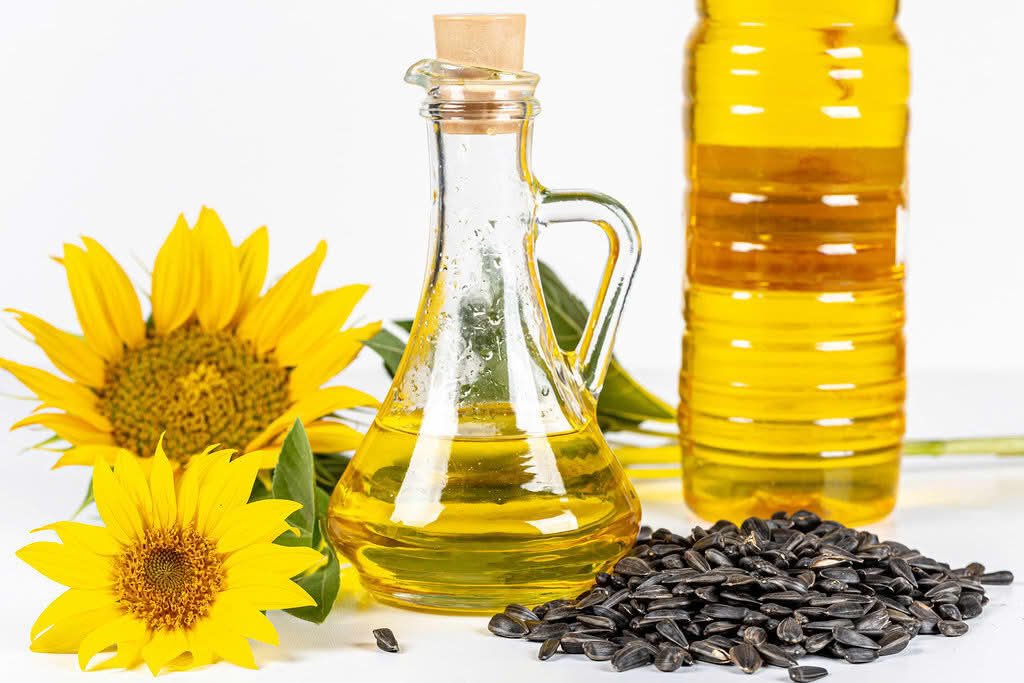
Unlike some nutrients that the body can produce, vitamin E must be obtained through food or, when medically appropriate, supplements. Good dietary sources include nuts, seeds, vegetable oils, avocados, spinach, broccoli, and fortified foods.
For most healthy people, eating a varied and balanced diet provides enough vitamin E. However, vitamin E deficiency can occur in people with certain conditions that interfere with the digestion or absorption of dietary fat.
What Is Vitamin E?
Vitamin E is the collective name for a group of fat-soluble compounds with antioxidant activity. There are eight naturally occurring forms of vitamin E: four tocopherols and four tocotrienols. Of these, alpha-tocopherol is the form recognized as meeting human vitamin E requirements.
Because vitamin E is fat-soluble, it is absorbed along with dietary fat and can be stored in the body. This differs from water-soluble vitamins such as vitamin C, which are not stored in the same way.
Vitamin E is naturally present in several foods and is also available in fortified foods and dietary supplements.
How Does Vitamin E Work in the Body?
One of the most important functions of vitamin E is its antioxidant activity.
Normal metabolism produces molecules known as free radicals or reactive oxygen species. Environmental factors such as cigarette smoke, air pollution, and ultraviolet radiation can also contribute to oxidative stress.
Vitamin E helps protect cell components from oxidative damage, particularly fats within cell membranes. It also participates in immune function and other cellular processes.
Health Benefits of Vitamin E
Vitamin E is essential for normal body function. Its benefits are primarily associated with antioxidant protection, immune function, and maintaining healthy cells.
Vitamin E Provides Antioxidant Protection
Vitamin E is one of the body’s important fat-soluble antioxidants.
Antioxidants help protect cells from oxidative damage caused by reactive molecules. Vitamin E can help prevent the oxidation of fats in cell membranes, helping maintain their normal structure and function.
However, antioxidant activity does not mean that taking large amounts of vitamin E supplements will automatically prevent chronic diseases. Research into vitamin E supplementation and disease prevention has produced mixed results.
Vitamin E Supports Immune Function
Vitamin E contributes to normal immune system function.
Adequate vitamin E helps maintain cell membrane integrity and supports several processes involved in immune responses. Vitamin E deficiency can impair immune function, although deficiency itself is uncommon in healthy people.
Getting adequate vitamin E through a balanced diet is therefore part of maintaining overall nutritional health.
Vitamin E Helps Maintain Healthy Cells
Cell membranes contain fats that can be vulnerable to oxidation. Vitamin E helps protect these fats from oxidative damage.
This function is particularly important because healthy cell membranes are necessary for normal communication between cells and for many biological processes.
Vitamin E Supports Normal Blood and Vascular Function
Vitamin E is involved in several processes related to blood vessels and blood components.
However, this should not be interpreted as evidence that taking vitamin E supplements prevents cardiovascular disease. Clinical trials have generally not shown that routine vitamin E supplementation prevents cardiovascular disease.
Vitamin E and Eye Health
Vitamin E has been studied extensively in relation to eye health and age-related eye conditions.
Antioxidants are important in protecting cells from oxidative stress, including cells within the eye. However, vitamin E supplementation alone should not be considered a treatment or guaranteed prevention for eye diseases.
Certain antioxidant combinations have been studied for specific stages of age-related macular degeneration, but these formulations are different from simply taking a vitamin E supplement by itself.
Vitamin E and Skin Health
Vitamin E is commonly used in skincare products because of its antioxidant properties.
Dietary vitamin E contributes to normal cellular function, including in the skin. Vitamin E is also included in many creams, lotions, oils, and other topical products.
However, claims that vitamin E supplements can dramatically reverse wrinkles, scars, or other skin conditions are not supported by sufficient evidence.
Healthy skin depends on many factors, including genetics, sun exposure, hydration, nutrition, age, and overall health.
Best Food Sources of Vitamin E
Food is generally the preferred way for healthy people to obtain vitamin E.
Nuts, seeds, vegetable oils, and some green leafy vegetables are particularly useful sources.
Nuts and Seeds
Some of the richest dietary sources include:
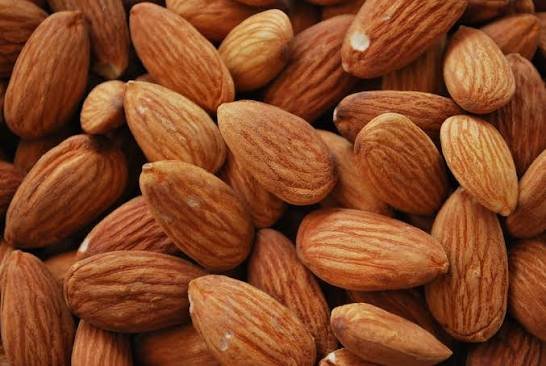
- Almonds
- Sunflower seeds
- Hazelnuts
- Peanuts
- Peanut butter
- Other nuts and seeds
For example, according to the NIH Office of Dietary Supplements, one ounce of dry-roasted sunflower seeds provides about 7.4 mg of alpha-tocopherol, while one ounce of dry-roasted almonds provides about 6.8 mg.
Vegetable Oils
Several vegetable oils contain significant amounts of vitamin E.
Examples include:
- Sunflower oil
- Safflower oil
- Wheat germ oil
- Corn oil
- Soybean oil
Wheat germ oil is particularly concentrated, while sunflower and safflower oils can also make meaningful contributions to daily intake.
Green Leafy Vegetables
Vegetables such as spinach and broccoli contain vitamin E.
They also provide other important nutrients, including vitamin K, folate, vitamin C, carotenoids, and dietary fiber.
Including a variety of vegetables in your diet is therefore more useful than focusing on vitamin E alone.
Fruits Containing Vitamin E
Some fruits provide vitamin E, including:
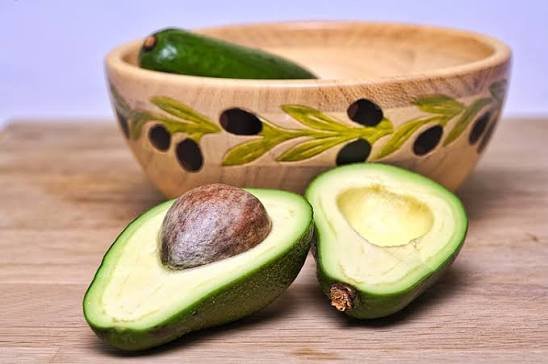
- Avocado
- Mango
- Papaya
- Kiwi
Although fruits generally contain less vitamin E than nuts, seeds, and certain oils, they can still contribute to total dietary intake.
Vitamin E-Rich Foods at a Glance
| Food | Approximate vitamin E contribution |
|---|---|
| Wheat germ oil, 1 tablespoon | 20.3 mg |
| Sunflower seeds, 1 ounce | 7.4 mg |
| Almonds, 1 ounce | 6.8 mg |
| Sunflower oil, 1 tablespoon | 5.6 mg |
| Safflower oil, 1 tablespoon | 4.6 mg |
| Hazelnuts, 1 ounce | 4.3 mg |
| Peanut butter, 2 tablespoons | 2.9 mg |
| Peanuts, 1 ounce | 2.2 mg |
| Cooked spinach, ½ cup | 1.9 mg |
| Cooked broccoli, ½ cup | 1.2 mg |
Actual nutrient content can vary depending on the food variety, preparation method, serving size, and processing.
How Much Vitamin E Do You Need?
Vitamin E requirements vary according to age and life stage.
For most adults, the recommended dietary allowance is 15 mg of alpha-tocopherol per day. Breastfeeding women generally need 19 mg per day.
Recommended Daily Intake of Vitamin E
| Age or life stage | Recommended amount |
|---|---|
| Birth–6 months | 4 mg/day |
| 7–12 months | 5 mg/day |
| 1–3 years | 6 mg/day |
| 4–8 years | 7 mg/day |
| 9–13 years | 11 mg/day |
| 14 years and older | 15 mg/day |
| Pregnancy | 15 mg/day |
| Breastfeeding | 19 mg/day |
These values are general dietary reference values. Individual nutritional needs can vary depending on health status, diet, absorption, and other factors.
Vitamin E Deficiency
Vitamin E deficiency is relatively uncommon in healthy people who consume a varied diet.
When deficiency does occur, it is often associated with conditions that interfere with the digestion or absorption of dietary fat.
What Causes Vitamin E Deficiency?
Possible causes include:
- Fat-malabsorption disorders
- Certain liver diseases
- Cystic fibrosis
- Some gastrointestinal disorders
- Certain inherited conditions
- Severe nutritional problems
- Premature birth
Because vitamin E is fat-soluble, conditions that prevent the body from properly absorbing dietary fat can also interfere with vitamin E absorption.
People with certain disorders, including some liver diseases, cystic fibrosis, and gastrointestinal malabsorption conditions, may have increased nutritional needs or require supplementation under medical supervision.
Symptoms of Vitamin E Deficiency
Severe vitamin E deficiency can affect the nervous system and muscles.
Possible symptoms include:
- Muscle weakness
- Problems with coordination
- Difficulty walking
- Numbness or tingling
- Reduced reflexes
- Vision problems
- Nerve damage
- Muscle damage
These symptoms are not specific to vitamin E deficiency and can occur for many other reasons. Anyone experiencing persistent neurological, muscular, or vision symptoms should seek appropriate medical evaluation.
Who Is at Higher Risk?
People at greater risk may include those with:
- Chronic fat-malabsorption conditions
- Certain gastrointestinal diseases
- Cystic fibrosis
- Certain inherited disorders affecting vitamin E metabolism
- Some liver disorders
- Premature infants
People in these groups may require medical assessment and, in some cases, vitamin E supplementation.
Vitamin E Supplements
Vitamin E supplements are available as capsules, softgels, tablets, liquids, and as ingredients in multivitamin products.
Some supplements contain vitamin E alone, while others combine it with vitamin C, selenium, carotenoids, or other nutrients.
Should You Take a Vitamin E Supplement?
Most healthy people do not necessarily need a separate vitamin E supplement if they consume a balanced diet.
Supplements may be appropriate when a healthcare professional identifies a deficiency or when a medical condition interferes with vitamin E absorption.
Taking high doses simply because vitamin E is an antioxidant is not recommended.
The NIH notes that most vitamin-E-only supplements provide amounts substantially higher than the recommended daily allowance.
Natural vs. Synthetic Vitamin E
Vitamin E supplements may contain natural or synthetic alpha-tocopherol.
Natural forms are commonly identified on labels using terms such as d-alpha-tocopherol, while synthetic forms may use dl-alpha-tocopherol.
The body handles these forms differently, and their biological activity is not identical. Therefore, consumers should pay attention to the specific form and amount listed on a supplement label.
Can You Get Too Much Vitamin E?
Yes. Although vitamin E is an essential nutrient, high-dose supplementation can be harmful.
Vitamin E obtained naturally from foods is not considered a major toxicity concern. The main safety concerns involve high doses of supplemental alpha-tocopherol.
Side Effects of Too Much Vitamin E
Excessive supplemental vitamin E can increase the risk of:
- Bleeding
- Hemorrhagic stroke
- Bruising or unusual bleeding
- Other adverse effects associated with high-dose supplementation
Because vitamin E can affect blood clotting, taking large amounts can be particularly concerning for people who already take medications that affect coagulation.
What Is the Upper Limit for Vitamin E?
For adults, the tolerable upper intake level for supplemental vitamin E is 1,000 mg per day of alpha-tocopherol.
This corresponds to approximately 1,500 IU per day for natural vitamin E or 1,100 IU per day for synthetic vitamin E.
This is an upper safety limit, not a recommended daily target.
People should not interpret the upper limit as an amount they should routinely take.
Vitamin E and Blood-Thinning Medication
People who take anticoagulant or antiplatelet medicines should speak with a healthcare professional before using vitamin E supplements.
High supplemental amounts can increase bleeding risk, and vitamin E may interact with medicines that affect blood clotting.
This is particularly important for people taking medications such as warfarin or other medicines that affect coagulation.
Vitamin E During Pregnancy and Breastfeeding
Vitamin E is an essential nutrient during pregnancy and breastfeeding.
The recommended dietary intake for pregnant adolescents and adults is generally 15 mg per day, while breastfeeding adolescents and adults generally need 19 mg per day.
Most people should obtain vitamin E through food unless a healthcare professional recommends supplementation.
High-dose vitamin E supplementation during pregnancy should not be started without medical advice.
Vitamin E for Children
Children need vitamin E for normal growth, development, and cellular function.
Good food sources include:
- Nuts and seeds, when age-appropriate
- Nut butters
- Avocado
- Green vegetables
- Vegetable oils
- Fortified foods
Whole nuts can be a choking hazard for young children, so foods should be prepared in an age-appropriate form.
Children should not receive high-dose vitamin E supplements unless recommended by a healthcare professional.
Vitamin E and Heart Health
Vitamin E has been studied extensively for its possible role in cardiovascular health.
Because oxidative stress contributes to many biological processes associated with cardiovascular disease, researchers have investigated whether antioxidant supplementation could reduce cardiovascular risk.
However, clinical trials have generally not shown that routine vitamin E supplementation prevents cardiovascular disease.
For cardiovascular health, a broader approach is more important. This includes eating a balanced diet, exercising regularly, avoiding tobacco, maintaining healthy blood pressure and cholesterol levels, and managing other cardiovascular risk factors.
Vitamin E and Cancer
Vitamin E has also been studied for its possible relationship with cancer prevention.
Although its antioxidant properties provide biological reasons for research interest, clinical studies have generally not shown that vitamin E supplements prevent cancer overall.
Some studies have also raised safety concerns about high-dose supplementation in particular populations.
Therefore, vitamin E supplements should not be promoted as a general cancer-prevention treatment.
Vitamin E and Brain Health
Vitamin E is important for normal nervous system function, and severe deficiency can cause neurological problems.
Researchers have investigated whether vitamin E supplementation could help prevent or slow certain neurological diseases.
However, evidence varies according to the condition being studied, and vitamin E supplements should not be considered a universal treatment for memory problems, dementia, or other neurological diseases.
Vitamin E for Skin Health
Vitamin E is frequently used in skincare products because it has antioxidant properties.
Adequate dietary vitamin E supports normal cellular function and contributes to healthy skin as part of overall nutrition.
Does Vitamin E Remove Scars?
Vitamin E is sometimes marketed as a treatment for scars.
However, evidence for using topical vitamin E to improve the appearance of scars is limited and inconsistent. Some people can also develop skin irritation or contact dermatitis from topical vitamin E products.
For persistent or prominent scars, a dermatologist can recommend evidence-based treatment options.
Does Vitamin E Help With Sun Damage?
Vitamin E has antioxidant properties, but vitamin E supplements or topical products should not be considered substitutes for sunscreen.
Effective sun protection includes sunscreen, protective clothing, shade, and limiting excessive exposure to intense sunlight.
Vitamin E and Hair Health
Vitamin E is sometimes marketed as a supplement for hair growth.
Adequate nutrition is important for healthy hair, but there is limited evidence that high-dose vitamin E supplementation causes significant hair growth in people who already have adequate vitamin E levels.
Hair loss can have many causes, including:
- Genetics
- Hormonal changes
- Nutritional deficiencies
- Certain illnesses
- Medications
- Stress
- Scalp conditions
If hair loss is persistent or severe, identifying the underlying cause is more useful than automatically taking vitamin E.
How to Increase Vitamin E Naturally
If you want to increase your vitamin E intake, focus on adding nutrient-rich foods to your regular meals.
Add Nuts and Seeds to Meals
Almonds, sunflower seeds, hazelnuts, and peanuts can provide substantial amounts of vitamin E.
They can be added to:
- Oatmeal
- Yogurt
- Salads
- Smoothies
- Grain dishes
- Homemade snacks
Include Avocado
Avocado provides vitamin E along with unsaturated fats and other nutrients.
It can be added to salads, sandwiches, grain bowls, or eaten alongside other foods.
Eat More Green Vegetables
Spinach, broccoli, and other green vegetables can contribute to your daily vitamin E intake.
They also provide fiber, folate, vitamin K, vitamin C, and other beneficial nutrients.
Use Vegetable Oils Appropriately
Certain vegetable oils are rich sources of vitamin E.
However, oils are calorie-dense, so they should be used in reasonable amounts as part of an overall balanced diet.
Vitamin E Deficiency vs. Low Vitamin E Intake
Having a diet that is relatively low in vitamin E is not necessarily the same as having a clinical vitamin E deficiency.
Clinical deficiency is uncommon in otherwise healthy people.
True deficiency is more strongly associated with conditions that interfere with absorption or metabolism.
If you are concerned about a vitamin deficiency, a healthcare professional can assess your diet, symptoms, medical history, and other relevant factors.
Vitamin E and a Balanced Diet
Vitamin E works as part of a much larger nutritional system.
Instead of focusing on one vitamin, aim to eat a wide variety of foods, including:
- Vegetables
- Fruits
- Whole grains
- Nuts
- Seeds
- Legumes
- Healthy sources of fat
- Protein-rich foods
A varied diet provides vitamin E together with vitamin C, vitamin K, minerals, fiber, protein, and numerous plant compounds.
This approach is generally more beneficial than relying on high-dose supplements.
Common Myths About Vitamin E
Myth: More Vitamin E Is Always Better
This is false.
Vitamin E is essential, but excessive supplementation can increase health risks.
The goal is adequate intake rather than extremely high intake.
Myth: Everyone Needs a Vitamin E Supplement
Not necessarily.
Most healthy people can obtain sufficient vitamin E from food.
Supplements may be useful in specific medical circumstances, especially when absorption is impaired.
Myth: Vitamin E Supplements Prevent Heart Disease
Clinical trials have not established that routine vitamin E supplementation prevents cardiovascular disease.
Myth: Vitamin E Automatically Makes Hair Grow
There is insufficient evidence to conclude that high-dose vitamin E supplements promote hair growth in people who are not deficient.
Myth: Vitamin E Can Replace Sunscreen
It cannot.
Vitamin E’s antioxidant properties do not provide the same protection as sunscreen and other sun-protection measures.
Myth: Natural Supplements Are Always Safe
Natural does not automatically mean risk-free.
High doses of supplemental vitamin E can increase bleeding risk and may interact with medications.
Frequently Asked Questions About Vitamin E
What is vitamin E?
Vitamin E is a group of fat-soluble compounds with antioxidant activity. Alpha-tocopherol is the form of vitamin E recognized as meeting human nutritional requirements.
What are the main benefits of vitamin E?
Vitamin E helps protect cells from oxidative damage and supports normal immune function and other cellular processes.
What foods are high in vitamin E?
Some of the best sources include sunflower seeds, almonds, hazelnuts, peanuts, vegetable oils, avocado, spinach, and other green vegetables.
How much vitamin E do adults need per day?
Adults generally need 15 mg of alpha-tocopherol per day. Breastfeeding adults generally need 19 mg per day.
What happens if you do not get enough vitamin E?
Severe vitamin E deficiency can cause neurological problems, muscle weakness, coordination difficulties, and other health problems. Deficiency is uncommon in healthy people.
Who is most likely to develop vitamin E deficiency?
People with conditions that interfere with fat absorption, certain liver or gastrointestinal disorders, cystic fibrosis, certain inherited conditions, and some premature infants may have a higher risk.
Can vitamin E improve skin?
Vitamin E contributes to normal skin function and has antioxidant properties. It is also used in many skincare products, although evidence for specific cosmetic benefits varies.
Is vitamin E good for hair?
Adequate nutrition supports normal hair health, but there is limited evidence that high-dose vitamin E supplements improve hair growth in people who are not deficient.
Can vitamin E help prevent heart disease?
Routine vitamin E supplementation has not been shown to prevent cardiovascular disease in clinical trials.
Can vitamin E prevent cancer?
Current evidence does not support taking vitamin E supplements as a general strategy for preventing cancer.
Can you get enough vitamin E from food?
Yes. Most healthy people can meet their vitamin E requirements through a varied diet containing nuts, seeds, vegetable oils, vegetables, fruits, and fortified foods.
Is vitamin E fat-soluble?
Yes. Vitamin E is a fat-soluble vitamin, meaning it is absorbed along with dietary fat and can be stored in the body.
Can too much vitamin E be harmful?
Yes. High doses of supplemental vitamin E can increase the risk of bleeding and other adverse effects.
Can vitamin E interact with medications?
Yes. Vitamin E supplements can interact with anticoagulant and antiplatelet medications and may have other medication-related considerations. Anyone taking regular medication should discuss supplementation with a healthcare professional.
Should I take vitamin E supplements every day?
Not everyone needs a vitamin E supplement. If you eat a balanced diet and have no medical condition affecting vitamin E absorption, food is generally the preferred source.
Is vitamin E safe during pregnancy?
Vitamin E is an essential nutrient during pregnancy, but high-dose supplements should not be taken without medical advice. The recommended dietary intake for pregnancy is generally 15 mg per day.
What is the best source of vitamin E?
There is no single best food for everyone. Nuts, seeds, vegetable oils, avocado, spinach, and other green vegetables can all contribute to vitamin E intake.
sources: NIH Office of Dietary Supplements Vitamin E fact sheet and MedlinePlus Vitamin E information
[…] K: Benefits, Sources, Deficiency, Daily Requirements, and More Vitamin E: Benefits, Sources, Deficiency, Dosage, and Everything You Need to Know Malabsorption: Causes, Symptoms, Diagnosis, Treatment, and Prevention Malnutrition: Causes, […]