
Malabsorption is a digestive problem that occurs when the body cannot properly absorb nutrients from food. A person may eat enough food but still develop nutritional deficiencies because the digestive system is unable to break down or absorb nutrients effectively.
Table of Contents
Nutrients affected by malabsorption may include carbohydrates, proteins, fats, vitamins, minerals, and electrolytes. The condition can affect one particular nutrient or several nutrients at the same time.
Malabsorption is not a disease on its own. Instead, it can occur because of various digestive disorders, intestinal diseases, infections, pancreatic problems, liver conditions, certain surgeries, and other medical conditions.
Common symptoms can include chronic diarrhea, bloating, abdominal discomfort, unexplained weight loss, fatigue, weakness, and signs of vitamin or mineral deficiency.
Understanding the causes, symptoms, diagnosis, and treatment of malabsorption can help people recognize when persistent digestive problems require medical evaluation.
What Is Malabsorption?
Malabsorption occurs when nutrients from food are not adequately absorbed into the bloodstream or lymphatic system.
The digestive system must perform several steps before nutrients can be used by the body. Food needs to be digested, broken down into smaller components, and transported across the intestinal lining.
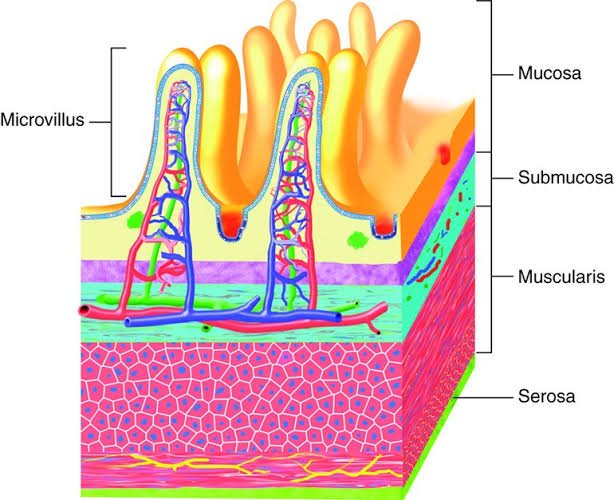
Most nutrient absorption occurs in the small intestine. Specialized structures called villi and microvilli increase the intestinal surface area, allowing nutrients to pass into the body’s circulation.
When digestion or absorption is disrupted, the body may not receive enough nutrients even when food intake appears adequate.
Malabsorption can therefore contribute to nutritional deficiencies and, in severe cases, malnutrition.
Malabsorption vs. Maldigestion
Malabsorption and maldigestion are related but different problems.
What Is Maldigestion?
Maldigestion occurs when food is not properly broken down during the digestive process.
For example, insufficient pancreatic enzymes can interfere with the digestion of fats, proteins, and carbohydrates.
What Is Malabsorption?
Malabsorption occurs when nutrients are not adequately absorbed after digestion.
A person may experience malabsorption because the intestinal lining is damaged, the absorptive surface is reduced, digestive secretions are inadequate, or another process interferes with nutrient transport.
Because digestion and absorption are closely connected, some medical conditions can cause both maldigestion and malabsorption.
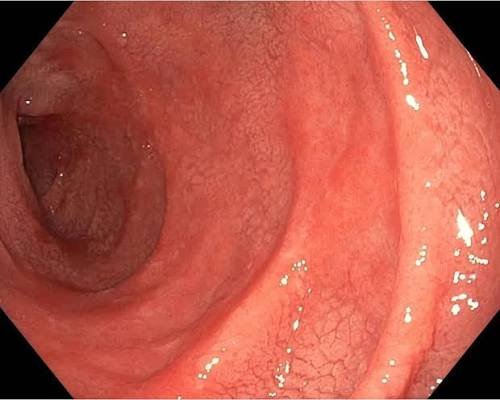
How Does Nutrient Absorption Normally Work?
Digestion begins in the mouth when food is chewed and mixed with saliva. It then travels through the stomach and small intestine, where digestive enzymes, stomach acid, bile, and pancreatic secretions help break food down.
The Role of the Small Intestine
The small intestine is the primary location for nutrient absorption.
It absorbs:
- Carbohydrates
- Amino acids from proteins
- Fatty acids and other products of fat digestion
- Vitamins
- Minerals
- Electrolytes
- Water
- Other substances
The intestinal lining contains villi and microvilli that greatly increase the surface area available for absorption.
The Role of the Pancreas
The pancreas produces digestive enzymes that help break down carbohydrates, proteins, and fats.
When pancreatic enzyme production is insufficient, nutrients may not be properly digested and absorbed.
The Role of the Liver and Bile
The liver produces bile, which helps the body digest and absorb dietary fats.
Problems affecting bile production or flow can interfere with fat absorption and may subsequently affect the absorption of fat-soluble vitamins.
Causes of Malabsorption
Malabsorption can have many different causes. Some conditions damage the intestinal lining, while others interfere with digestion or reduce the amount of intestine available for absorption.
Celiac Disease
Celiac disease is an immune-mediated condition triggered by gluten in susceptible individuals.
Gluten exposure can damage the lining of the small intestine and interfere with nutrient absorption.
People with untreated celiac disease may develop deficiencies involving nutrients such as iron, folate, vitamin B12, calcium, and vitamin D.
Possible symptoms include:
- Diarrhea
- Bloating
- Abdominal discomfort
- Weight loss
- Fatigue
- Anemia
- Nutritional deficiencies
People diagnosed with celiac disease generally require a strict gluten-free diet under appropriate medical and dietary guidance.
Pancreatic Disorders
The pancreas produces enzymes required for the digestion of fats, proteins, and carbohydrates.
Conditions that reduce pancreatic enzyme production can therefore cause digestive problems and nutrient malabsorption.
Examples include:
- Chronic pancreatitis
- Cystic fibrosis
- Certain pancreatic diseases
- Some pancreatic surgeries
Fat malabsorption can be particularly important in pancreatic enzyme insufficiency.
Inflammatory Bowel Disease
Inflammatory bowel diseases such as Crohn’s disease can affect nutrient absorption.
When inflammation affects the small intestine, the intestinal lining may become less effective at absorbing nutrients.
Nutritional deficiencies can also occur because of reduced food intake, intestinal narrowing, surgery, chronic inflammation, or other complications.
Intestinal Infections
Some intestinal infections can interfere with digestion and nutrient absorption.
Parasites, bacteria, viruses, and other microorganisms may damage or irritate the intestinal lining.
Giardiasis, for example, can cause prolonged diarrhea, abdominal discomfort, bloating, and impaired nutrient absorption.
Small Intestinal Bacterial Overgrowth
Small intestinal bacterial overgrowth, commonly called SIBO, occurs when excessive or abnormal numbers of bacteria are present in the small intestine.
These bacteria can interfere with normal digestion and absorption.
Symptoms may include:
- Bloating
- Gas
- Abdominal discomfort
- Diarrhea
- Changes in bowel habits
- Nutritional deficiencies in some cases
Short Bowel Syndrome
Short bowel syndrome can occur when a significant portion of the small intestine has been removed or is not functioning properly.
Because the small intestine is responsible for most nutrient absorption, reduced intestinal length can cause significant malabsorption.
People with severe short bowel syndrome may require specialized nutritional management.
Liver and Biliary Disorders
Bile is important for the digestion and absorption of dietary fat.
Conditions affecting the liver, gallbladder, bile ducts, or bile flow can interfere with fat absorption.
This may also reduce the absorption of vitamins A, D, E, and K.
Gastrointestinal Surgery
Certain gastrointestinal surgeries can change the normal digestive process.
Examples include some bariatric procedures and operations involving removal or bypass of portions of the small intestine.
People who have undergone these procedures may require long-term nutritional monitoring.
Certain Medications
Some medications can interfere with digestion or nutrient absorption.
The effect varies depending on the specific medication, dose, duration of treatment, and individual health circumstances.
Anyone concerned about medication-related malabsorption should discuss the issue with a healthcare professional rather than stopping medication independently.
Symptoms of Malabsorption
The symptoms of malabsorption vary depending on its underlying cause and which nutrients are affected.
Common Digestive Symptoms
Digestive symptoms may include:
- Chronic diarrhea
- Loose stools
- Bulky stools
- Greasy or oily stools
- Abdominal bloating
- Excessive gas
- Abdominal cramps
- Abdominal discomfort
Weight Loss
Unintentional weight loss can occur when the body does not absorb sufficient calories or nutrients.
Weight loss may also occur because chronic digestive symptoms reduce appetite or make eating uncomfortable.
Unexplained weight loss should be evaluated by a healthcare professional.
Fatigue and Weakness
Nutritional deficiencies caused by malabsorption may contribute to fatigue and weakness.
Iron, vitamin B12, folate, protein, and other nutrients are important for energy production, blood formation, and normal body function.
Signs of Nutritional Deficiency
Depending on the nutrient affected, symptoms may include:
- Pale skin
- Muscle weakness
- Easy bruising
- Bone pain
- Tingling or numbness
- Swelling
- Poor wound healing
- Reduced immunity
Malabsorption and Nutritional Deficiencies
One of the most important consequences of chronic malabsorption is nutritional deficiency.
Iron Deficiency
Iron is necessary for producing hemoglobin, which carries oxygen in the blood.
Iron deficiency can cause:
- Fatigue
- Weakness
- Dizziness
- Headaches
- Pale skin
- Reduced exercise tolerance
Severe or prolonged iron deficiency may result in iron-deficiency anemia.
Vitamin B12 Deficiency
Vitamin B12 is important for red blood cell production and normal nervous system function.
Deficiency may cause:
- Fatigue
- Anemia
- Numbness
- Tingling
- Balance problems
- Neurological symptoms
Folate Deficiency
Folate is essential for DNA production and normal red blood cell formation.
Poor absorption can contribute to folate deficiency and megaloblastic anemia.
Calcium and Vitamin D Deficiency
Calcium and vitamin D are important for healthy bones.
Long-term deficiencies can weaken bones and interfere with normal bone mineralization.
Fat-Soluble Vitamin Deficiency
Vitamins A, D, E, and K are fat-soluble vitamins.
When fat absorption is impaired, the body may have difficulty absorbing these vitamins.
Vitamin A deficiency can affect vision and immune function.
Vitamin D deficiency can affect bone health.
Vitamin E deficiency can cause neurological or muscular problems when severe.
Vitamin K deficiency can interfere with normal blood clotting.
Malabsorption in Children
Malabsorption can be particularly concerning in children because adequate nutrition is essential for growth and development.
Signs of Malabsorption in Children
Possible signs include:
- Poor weight gain
- Slow growth
- Chronic diarrhea
- Abdominal bloating
- Nutritional deficiencies
- Muscle wasting
- Reduced energy
Children with persistent diarrhea, unexplained weight loss, or poor growth should be evaluated by a healthcare professional.
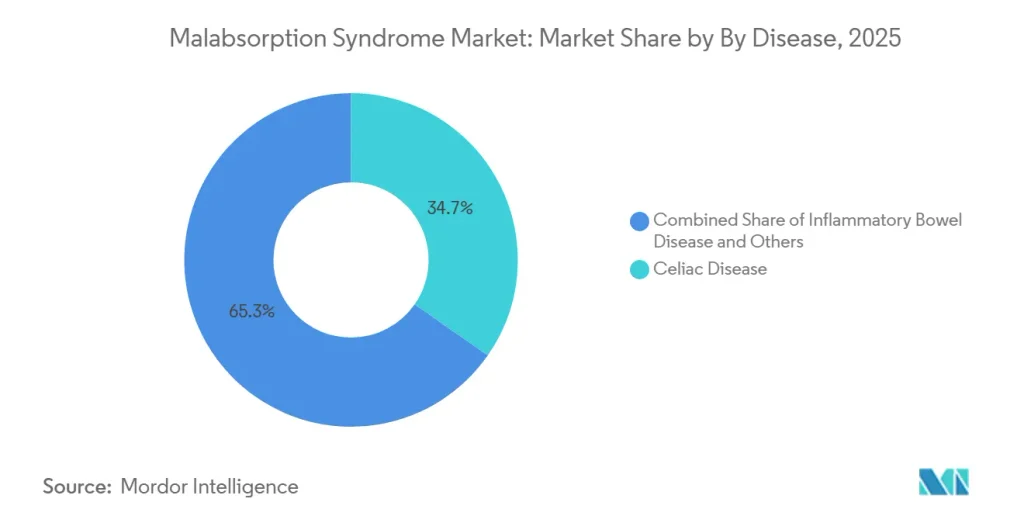
Risk Factors for Malabsorption
The risk of malabsorption depends largely on its underlying cause.
Potential risk factors include:
- Celiac disease
- Crohn’s disease
- Chronic pancreatic disease
- Liver or biliary disorders
- Previous intestinal surgery
- Certain gastrointestinal infections
- Small intestinal bacterial overgrowth
- Short bowel syndrome
- Certain medications
- Chronic gastrointestinal symptoms
People with previous gastrointestinal surgery may require periodic nutritional assessments.
How Is Malabsorption Diagnosed?
There is no single test that identifies every form of malabsorption.
Diagnosis usually begins with a detailed medical history, physical examination, and assessment of nutritional status.
Medical History
A healthcare professional may ask about:
- Duration of symptoms
- Stool changes
- Abdominal pain
- Bloating
- Weight changes
- Diet
- Previous surgery
- Existing medical conditions
- Medications
- Travel history
- Possible exposure to infections
- Family medical history
Blood Tests
Blood tests may be used to identify nutritional deficiencies and complications.
Depending on the suspected cause, testing may include:
- Complete blood count
- Iron studies
- Ferritin
- Vitamin B12
- Folate
- Calcium
- Vitamin D
- Albumin
- Electrolytes
- Liver function tests
Stool Tests
Stool tests may help identify certain causes of diarrhea and malabsorption.
Depending on the situation, testing may assess:
- Fat in stool
- Parasites
- Bacterial infections
- Inflammation
- Pancreatic function
Breath Tests
Breath tests can be used in selected situations to investigate conditions such as lactose intolerance or small intestinal bacterial overgrowth.
Endoscopy and Biopsy
Upper gastrointestinal endoscopy may be used to examine the digestive tract and collect tissue samples.
Small intestinal biopsies can be useful when investigating certain conditions, including celiac disease.
Imaging Tests
Imaging may be recommended when pancreatic, liver, intestinal, or structural problems are suspected.
The appropriate test depends on the person’s symptoms and medical history.
Treatment for Malabsorption
Treatment depends on the underlying cause.
There is no universal treatment for all forms of malabsorption.
Treating the Underlying Cause
Correcting the underlying medical condition is usually the most important part of treatment.
Examples include:
- Following a gluten-free diet for confirmed celiac disease
- Using pancreatic enzyme replacement when medically indicated
- Treating certain intestinal infections
- Managing inflammatory bowel disease
- Treating specific nutritional deficiencies
- Managing complications of intestinal surgery
Nutritional Supplementation
Some people may require vitamin or mineral supplementation.
Depending on the deficiencies identified, supplementation may include:
- Iron
- Vitamin B12
- Folate
- Vitamin D
- Calcium
- Other vitamins or minerals
Supplementation should be individualized because excessive intake of some nutrients can also cause health problems.
Dietary Management
Dietary recommendations depend on the cause of malabsorption.
There is no single “malabsorption diet” suitable for everyone.
For example, people with celiac disease need to avoid gluten, while people with lactose intolerance may need to modify their lactose intake.
A registered dietitian or other qualified healthcare professional can help create an appropriate nutritional plan.
Foods That May Support Nutritional Health
A balanced diet can support nutritional health, although food alone may not correct severe malabsorption.
Protein-Rich Foods
Depending on individual tolerance, protein sources may include:
- Eggs
- Fish
- Poultry
- Lean meat
- Beans
- Lentils
- Yogurt
- Milk or suitable alternatives
- Nuts
- Seeds
Iron-Rich Foods
Examples include:
- Lean meat
- Liver
- Beans
- Lentils
- Dark leafy vegetables
- Fortified cereals
Calcium-Rich Foods
Examples include:
- Milk
- Yogurt
- Cheese
- Calcium-fortified plant beverages
- Calcium-set tofu
- Certain fish
Fruits and Vegetables
A varied selection of fruits and vegetables provides vitamins, minerals, fiber, and other beneficial compounds.
However, people with specific gastrointestinal conditions may need individualized dietary advice regarding fiber and other foods.
Complications of Malabsorption
Long-term or severe malabsorption can result in several complications.
Malnutrition
Insufficient absorption of calories, protein, vitamins, and minerals can contribute to malnutrition.
Severe malnutrition may result in:
- Muscle loss
- Weakness
- Poor wound healing
- Reduced immune function
- Increased susceptibility to infections
Anemia
Iron, vitamin B12, and folate deficiencies can contribute to different types of anemia.
Bone Problems
Poor absorption of calcium and vitamin D can negatively affect bone health.
Electrolyte Imbalances
Persistent diarrhea can cause substantial losses of fluids and electrolytes such as sodium and potassium.
Growth Problems
Children with significant malabsorption may experience impaired growth and development.
Neurological Problems
Certain nutritional deficiencies, particularly severe vitamin B12 or vitamin E deficiency, can affect the nervous system.
Can Malabsorption Be Prevented?
Not all cases of malabsorption can be prevented.
Some causes are related to autoimmune conditions, inherited disorders, structural problems, or medical conditions that cannot always be avoided.
However, several measures can help reduce the risk of certain digestive problems and complications.
Practice Food and Water Safety
Good food and water hygiene can reduce exposure to certain intestinal infections.
Important practices include:
- Washing hands regularly
- Cooking food thoroughly
- Avoiding cross-contamination
- Washing produce appropriately
- Drinking safe water
- Storing food safely
Treat Persistent Digestive Symptoms
Persistent diarrhea, unexplained weight loss, recurrent bloating, or chronic abdominal discomfort should be evaluated rather than ignored.
Monitor Nutrition After Gastrointestinal Surgery
People who have undergone intestinal or bariatric surgery may need regular nutritional monitoring.
Follow Medical Treatment
People diagnosed with conditions that cause malabsorption should follow their prescribed treatment and attend recommended follow-up appointments.
When Should You See a Doctor?
Persistent digestive symptoms should be evaluated, particularly when they occur alongside signs of nutritional deficiency.
Seek medical advice if you experience:
- Persistent diarrhea
- Unexplained weight loss
- Recurrent greasy or oily stools
- Persistent abdominal bloating
- Significant abdominal discomfort
- Ongoing fatigue
- Signs of anemia
- Muscle weakness
- Poor growth in a child
- Swelling associated with possible nutritional deficiency
- Persistent changes in bowel habits
Urgent medical attention may be necessary for severe dehydration, significant gastrointestinal bleeding, severe abdominal pain, fainting, confusion, or other serious symptoms.
Malabsorption vs. Other Digestive Conditions
Malabsorption can produce symptoms that overlap with many other gastrointestinal conditions.
For example, diarrhea and bloating may occur with:
- Irritable bowel syndrome
- Food intolerance
- Gastrointestinal infections
- Inflammatory bowel disease
- Celiac disease
- Pancreatic disorders
- Certain medications
Because symptoms overlap, it is not possible to diagnose malabsorption based on symptoms alone.
Medical evaluation may be necessary to identify the underlying cause.
Frequently Asked Questions About Malabsorption
What is malabsorption?
Malabsorption is a digestive problem in which the body does not adequately absorb nutrients from food. It can affect calories, proteins, carbohydrates, fats, vitamins, minerals, or several nutrients at the same time.
What are the main symptoms of malabsorption?
Common symptoms include chronic diarrhea, bloating, abdominal discomfort, excessive gas, unexplained weight loss, fatigue, weakness, greasy stools, and symptoms caused by nutritional deficiencies.
What causes malabsorption?
Malabsorption can result from conditions such as celiac disease, Crohn’s disease, pancreatic disorders, intestinal infections, small intestinal bacterial overgrowth, short bowel syndrome, liver or biliary disorders, and certain gastrointestinal surgeries.
Can malabsorption cause weight loss?
Yes. Malabsorption can cause unintentional weight loss when the body cannot absorb enough calories or nutrients.
Can malabsorption cause vitamin deficiency?
Yes. Malabsorption can cause deficiencies in vitamins and minerals, including iron, vitamin B12, folate, calcium, vitamin D, and fat-soluble vitamins such as vitamins A, D, E, and K.
Can malabsorption cause anemia?
Yes. Poor absorption of iron, vitamin B12, or folate can contribute to anemia.
What does malabsorption stool look like?
Some forms of fat malabsorption can cause stools that are bulky, greasy, oily, pale, foul-smelling, or difficult to flush. However, stool appearance varies and cannot diagnose malabsorption by itself.
Can malabsorption cause fatigue?
Yes. Malabsorption may contribute to fatigue because of nutritional deficiencies, anemia, inadequate calorie absorption, or protein deficiency.
Is malabsorption the same as malnutrition?
No. Malabsorption refers to impaired absorption of nutrients, while malnutrition refers to inadequate, excessive, or imbalanced nutrition. Malabsorption can contribute to malnutrition.
Can malabsorption be cured?
Treatment depends on the underlying cause. Some causes can be effectively treated, while others require long-term management and nutritional monitoring.
What foods should I avoid if I have malabsorption?
There is no universal list of foods that everyone with malabsorption should avoid. Dietary changes depend on the underlying cause. Unnecessary food restrictions can increase the risk of nutritional deficiencies.
Can malabsorption affect children?
Yes. Significant malabsorption can interfere with children’s nutritional status, weight gain, growth, and development.
Can malabsorption cause bloating?
Yes. Bloating and excessive gas can occur with several conditions associated with malabsorption, including certain carbohydrate intolerances and small intestinal bacterial overgrowth.
How is malabsorption diagnosed?
Diagnosis may involve medical history, physical examination, blood tests, stool tests, breath tests, endoscopy, biopsies, and imaging. The tests selected depend on the suspected cause.
Is there a special diet for malabsorption?
There is no single diet that works for every type of malabsorption. Dietary treatment should address the specific underlying condition and nutritional deficiencies.
Can malabsorption cause bone problems?
Yes. Poor absorption of calcium and vitamin D can contribute to reduced bone health, particularly when malabsorption is prolonged or severe.
When should I seek medical help for suspected malabsorption?
Medical evaluation is appropriate for persistent diarrhea, unexplained weight loss, chronic greasy stools, ongoing abdominal symptoms, unexplained nutritional deficiencies, or signs of anemia.
Key Takeaways
Malabsorption occurs when the digestive system cannot adequately absorb nutrients from food. It can affect individual nutrients or multiple nutrients and may result from problems involving the intestinal lining, pancreas, liver, bile, or intestinal surface area.
The most important points to remember are:
- Malabsorption can affect carbohydrates, proteins, fats, vitamins, and minerals.
- Most nutrient absorption takes place in the small intestine.
- Celiac disease, pancreatic disorders, inflammatory bowel disease, infections, and gastrointestinal surgery can cause malabsorption.
- Common symptoms include diarrhea, bloating, abdominal discomfort, weight loss, fatigue, and nutritional deficiencies.
- Fat malabsorption can interfere with vitamins A, D, E, and K.
- Malabsorption can contribute to iron, vitamin B12, folate, calcium, and vitamin D deficiencies.
- Diagnosis depends on the suspected underlying cause.
- Treatment focuses on addressing the underlying condition and correcting nutritional deficiencies.
- There is no universal diet for malabsorption.
- Persistent digestive symptoms or unexplained nutritional deficiencies should be medically evaluated.
Early identification of the underlying cause can help prevent complications and improve nutritional health. Anyone experiencing persistent gastrointestinal symptoms, unexplained weight loss, or signs of nutrient deficiency should discuss these symptoms with a qualified healthcare professional.
Sources: Cleveland Clinic, Medscape
[…] E: Benefits, Sources, Deficiency, Dosage, and Everything You Need to Know Malabsorption: Causes, Symptoms, Diagnosis, Treatment, and Prevention Malnutrition: Causes, Types, Symptoms, Treatment, and Prevention Overnutrition: Causes, […]
[…] and More Vitamin E: Benefits, Sources, Deficiency, Dosage, and Everything You Need to Know Malabsorption: Causes, Symptoms, Diagnosis, Treatment, and Prevention Malnutrition: Causes, Types, Symptoms, Treatment, and […]