Dietary fiber is one of the most important components of a healthy diet, yet many people do not consume enough of it. Unlike carbohydrates such as starch and sugar, fiber is not completely broken down and absorbed by the human digestive system. Instead, different types of fiber interact with water, digestive contents, and the microorganisms living in the gut in different ways.
A fiber-rich diet can support healthy digestion, regular bowel movements, blood glucose control, cholesterol management, heart health, and a healthy gut microbiome. Foods naturally rich in fiber also tend to provide vitamins, minerals, antioxidants, and other beneficial plant compounds.
Table of Contents
Dietary fiber is found primarily in plant foods such as vegetables, fruits, legumes, whole grains, nuts, and seeds. Some foods contain both soluble and insoluble fiber, while others are particularly rich in one type.
This comprehensive guide explains what dietary fiber is, the different types of fiber, how fiber works in the digestive system, its potential health benefits, the best high-fiber foods, recommended daily intake, how to increase fiber safely, and what can happen when you consume too little or too much.
What Is Dietary Fiber?
Dietary fiber refers to carbohydrate components of plant foods that resist digestion and absorption in the small intestine. Because human digestive enzymes cannot completely break down many types of fiber, they travel into the large intestine where they can influence stool formation and interact with gut microorganisms.
Fiber is different from digestible carbohydrates such as glucose, fructose, and starch. These carbohydrates can be broken down and absorbed to provide energy, whereas dietary fiber generally passes through the digestive tract largely intact or is fermented to varying degrees by bacteria in the colon.
Fiber is naturally present in foods including:
- Fruits
- Vegetables
- Beans and other legumes
- Whole grains
- Nuts
- Seeds
- Some tubers and root vegetables
Modern nutrition also recognizes certain isolated or synthetic fibers that are added to foods or sold as supplements. These are sometimes called functional fibers when they have demonstrated beneficial physiological effects.
Why Is Dietary Fiber Important?
Fiber plays several different roles in the body. Its effects depend on its chemical structure, whether it dissolves or swells in water, how easily it is fermented by gut bacteria, the amount consumed, and the food in which it naturally occurs.
Some fibers help increase stool bulk. Others form gels that slow digestion and nutrient absorption. Some are fermented by gut microorganisms and produce compounds that can influence the health of the colon and potentially other parts of the body.
Because different fibers behave differently, eating a wide variety of fiber-containing plant foods is generally a better strategy than focusing on a single fiber source.
Types of Dietary Fiber
Dietary fiber is often divided into soluble and insoluble fiber. This traditional classification is useful for understanding basic differences, although modern nutrition science recognizes that fiber is more complicated than these two categories.

Soluble Fiber
Soluble fiber dissolves or disperses in water and can form a gel-like material in the digestive tract. Some types of soluble fiber are readily fermented by bacteria in the colon.
Examples include:
- Pectin
- Beta-glucans
- Some gums
- Some mucilages
- Inulin and certain fructans
Soluble fiber can be found in foods such as oats, barley, beans, lentils, peas, apples, citrus fruits, carrots, and some seeds.
Some soluble fibers can slow the movement of food through the digestive tract and slow the absorption of certain nutrients. Certain soluble fibers, particularly viscous fibers, can help reduce LDL cholesterol when consumed as part of an appropriate diet.
Insoluble Fiber
Insoluble fiber does not dissolve readily in water. It can add bulk to stool and help promote normal movement of material through the digestive tract.
Examples include cellulose, some hemicelluloses, and lignin.
Common sources include:
- Whole-wheat products
- Wheat bran
- Brown rice
- Vegetable skins
- Leafy vegetables
- Nuts and seeds
- Some fruits
Insoluble fiber is particularly useful for maintaining normal bowel function and increasing stool bulk.
Fermentable Fiber
Fermentability describes whether gut microorganisms can break down a particular fiber. Many fibers are fermented to some degree in the large intestine.
During fermentation, gut microorganisms can produce short-chain fatty acids and other metabolites. These compounds can interact with intestinal cells and the broader gut environment.
Not every fiber is fermented to the same extent. Some fibers are highly fermentable, while others pass through the digestive tract with relatively little fermentation.
Viscous Fiber
Viscous fibers thicken when mixed with water. This property can slow the movement of nutrients through the digestive tract and may influence blood glucose and cholesterol metabolism.
Oats and barley are particularly well-known sources of beta-glucan, a type of soluble, viscous fiber.
Resistant Starch
Resistant starch is a form of starch that resists digestion in the small intestine and reaches the colon, where some of it can be fermented by gut microorganisms.
It can occur naturally in foods such as legumes, some whole grains, green bananas, and potatoes. The amount of resistant starch in certain cooked foods can also change depending on how the food is cooled and stored.
Resistant starch is sometimes discussed separately from traditional dietary fiber, but it can have fiber-like physiological effects.
Soluble vs. Insoluble Fiber: What’s the Difference?
| Feature | Soluble Fiber | Insoluble Fiber |
|---|---|---|
| Interaction with water | Dissolves or disperses and may form a gel | Does not readily dissolve |
| Fermentation | Many types are readily fermented | Fermentation varies considerably |
| Digestive effect | Can slow digestion and nutrient absorption | Can increase stool bulk |
| Common sources | Oats, barley, beans, fruits, some vegetables | Whole grains, vegetable skins, bran, nuts and seeds |
It is important not to think of soluble fiber as “good” and insoluble fiber as “bad,” or vice versa. Both categories include fibers with different properties, and many foods contain several types simultaneously.
Health Benefits of Dietary Fiber
A diet containing adequate amounts of fiber-rich foods is associated with a wide range of health benefits. The strength of the evidence differs depending on the specific type of fiber, food source, health outcome, and individual.
1. Supports Digestive Health
One of the best-known benefits of dietary fiber is its role in digestive health. Fiber helps regulate the physical characteristics of stool and can support normal bowel movements.
Insoluble and less-fermentable fibers can increase stool bulk, while other fibers influence water content and fermentation in the colon.
A diet containing adequate fiber can therefore be an important part of maintaining normal gastrointestinal function.
2. Helps Prevent Constipation
Low fiber intake can contribute to inadequate stool bulk. Increasing fiber intake can help some people achieve more regular bowel movements.
However, suddenly consuming large amounts of fiber without adequate fluid intake may cause bloating, abdominal discomfort, or changes in bowel habits.
For this reason, fiber intake should generally be increased gradually.
3. Supports a Healthy Gut Microbiome
The large intestine contains trillions of microorganisms, including bacteria that can use certain types of fiber as a food source.
Fermentable fibers can be metabolized by gut microorganisms, producing short-chain fatty acids and other compounds. These interactions are an important area of nutrition research.
Different fibers can affect the gut microbiome differently, which is one reason a diverse diet containing many types of plant foods is valuable.
4. May Help Lower LDL Cholesterol
Some soluble, viscous fibers can help reduce blood LDL cholesterol. This effect is particularly associated with certain fibers such as beta-glucan and psyllium.
Soluble fiber can influence the movement and absorption of bile acids and other substances involved in cholesterol metabolism.
However, eating fiber should not be viewed as a replacement for medical treatment when someone has high cholesterol or cardiovascular disease.
5. Supports Heart Health
Higher dietary fiber intake is associated with better cardiovascular health. This relationship may involve several mechanisms, including improvements in cholesterol levels, blood glucose regulation, blood pressure, body weight, and overall diet quality.
It is also important to recognize that high-fiber foods often contain numerous beneficial nutrients and plant compounds. The health benefits of a fiber-rich diet may therefore result from the entire food pattern rather than fiber acting alone.
6. May Help With Blood Sugar Control
Some types of soluble and viscous fiber can slow digestion and carbohydrate absorption, which may reduce the speed at which blood glucose rises after a meal.
Foods such as beans, lentils, oats, barley, vegetables, and whole fruits can provide fiber along with other nutrients.
People with diabetes should still consider total carbohydrate intake, medications, meal composition, and individual medical advice when managing blood glucose.
7. Helps Promote Fullness
High-fiber foods can contribute to feelings of fullness. Fiber-rich foods often require more chewing, contain substantial water, or expand in the digestive tract.
Foods such as vegetables, fruits, beans, lentils, and whole grains can therefore make meals more filling.
This may be helpful for people attempting to manage calorie intake, although fiber itself is not a magic weight-loss nutrient.
8. Supports Healthy Weight Management
Diets rich in naturally occurring fiber are often associated with healthier body weight. One reason is that high-fiber foods can provide substantial volume and satiety without necessarily providing large amounts of calories.
Replacing highly refined, low-fiber foods with vegetables, fruits, legumes, and whole grains can improve overall diet quality.
Weight management, however, depends on many factors, including total energy intake, physical activity, sleep, genetics, environment, and eating patterns.
9. Supports Normal Colon Function
Fiber influences the physical and chemical environment of the colon. Certain fibers increase stool bulk, while fermentable fibers provide substrates for gut microorganisms.
The resulting changes can influence intestinal transit, microbial activity, and the production of short-chain fatty acids.
10. May Reduce the Risk of Some Chronic Diseases
Higher intake of fiber-rich foods has been associated with lower risks of several chronic health conditions, including cardiovascular disease and type 2 diabetes.
However, it is important to distinguish associations between high-fiber dietary patterns and health outcomes from the effects of isolated fiber supplements. People who consume large amounts of fiber may also eat more fruits, vegetables, legumes, and whole grains and fewer highly processed foods.
Best Sources of Dietary Fiber
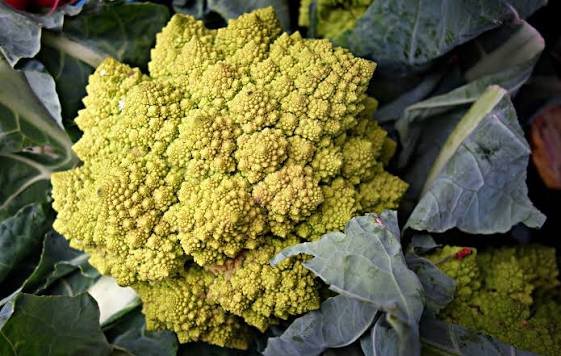
The best way to increase fiber intake is usually to eat a wide variety of naturally fiber-rich foods.
1. Beans and Legumes
Beans and legumes are among the most useful sources of dietary fiber. They can provide both soluble and insoluble fiber along with plant protein, minerals, and other nutrients.
Examples include:
- Kidney beans
- Black beans
- Chickpeas
- Lentils
- Green peas
- Black-eyed peas
- Soybeans
Adding beans or lentils to soups, stews, salads, rice dishes, and vegetable meals is an easy way to increase fiber.
2. Whole Grains
Whole grains contain the bran, germ, and endosperm of the grain. Refining grains typically removes much of the bran and some of the germ, reducing their fiber content.
Examples of whole grains include:
- Oats
- Barley
- Brown rice
- Whole wheat
- Whole-grain maize or corn
- Millet
- Sorghum
- Rye
- Bulgur
- Quinoa
When possible, choosing minimally processed whole grains can help increase dietary fiber.
3. Fruits
Most whole fruits contain fiber, especially when the edible skin is consumed.
Good options include:
- Apples
- Pears
- Oranges
- Guavas
- Berries
- Mangoes
- Avocados
- Bananas
- Passion fruit
- Plums
Whole fruit is generally a better fiber source than fruit juice because juicing can remove much of the fiber.
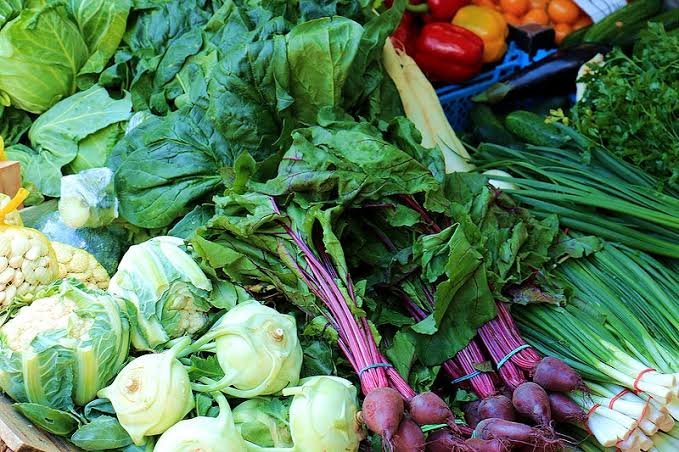
4. Vegetables
Vegetables can make a major contribution to daily fiber intake.
Examples include:
- Broccoli
- Carrots
- Green beans
- Sweet potatoes
- Potatoes with their skin
- Okra
- Spinach
- Kale
- Peas
- Brussels sprouts
- Cabbage
- Cauliflower
Eating a variety of colorful vegetables helps provide different types of fiber and other beneficial plant compounds.
5. Nuts and Seeds
Nuts and seeds provide fiber along with healthy fats, protein, minerals, and other plant compounds.
Good choices include:
- Almonds
- Peanuts
- Walnuts
- Chia seeds
- Flaxseeds
- Pumpkin seeds
- Sunflower seeds
- Sesame seeds
Because nuts and seeds are energy-dense, portion sizes may matter for people who are monitoring calorie intake.
High-Fiber Foods to Include in Your Diet
| Food Group | Examples | Why They Are Useful |
|---|---|---|
| Legumes | Beans, lentils, chickpeas, peas | High in fiber and often rich in plant protein |
| Whole grains | Oats, barley, brown rice, millet, whole wheat | Provide fiber and other nutrients |
| Fruits | Apples, pears, guavas, berries, oranges | Provide fiber, water, vitamins and plant compounds |
| Vegetables | Broccoli, carrots, okra, leafy greens | Provide fiber with relatively low energy density |
| Nuts | Almonds, peanuts, walnuts | Provide fiber, healthy fats and minerals |
| Seeds | Chia, flax, pumpkin and sunflower seeds | Provide fiber plus fats, protein and minerals |
How Much Dietary Fiber Do You Need Per Day?
Fiber recommendations vary according to age, sex, energy intake, pregnancy, and other factors.
A commonly used Dietary Reference Intake is approximately 14 grams of fiber per 1,000 calories consumed. For adults, this corresponds to approximately 25 grams per day for women and 38 grams per day for men in the younger adult age ranges.
Older adults generally have somewhat different targets because recommended intake varies with age and sex.
| Group | Approximate Fiber Target |
|---|---|
| Adult women | About 25 g/day |
| Adult men | About 38 g/day |
| Women over 50 | About 21 g/day |
| Men over 50 | About 30 g/day |
| General guideline | About 14 g per 1,000 kcal |
These values are reference targets rather than universal prescriptions. Individual requirements can differ depending on energy intake, age, sex, health status, and dietary pattern.
Fiber Recommendations for Children and Teenagers
Children also need dietary fiber, but their recommended intake changes as they grow.
Rather than focusing exclusively on a numerical target, parents and caregivers can encourage children to eat a variety of fruits, vegetables, beans, peas, whole grains, nuts, and seeds when age-appropriate.
Children should also be encouraged to drink adequate fluids, particularly when increasing fiber intake.
Fiber During Pregnancy and Breastfeeding
Pregnancy increases nutritional requirements, and fiber remains an important part of a healthy eating pattern during this period.
Fiber-rich foods can help support normal bowel function, which can be particularly useful because constipation is common during pregnancy.
Pregnant and breastfeeding individuals should discuss individualized dietary needs with a qualified healthcare professional, particularly if they have gastrointestinal conditions or other medical concerns.
How to Increase Fiber Intake
If your current diet is low in fiber, increasing intake gradually is usually more comfortable than making a dramatic change overnight.
Start With Breakfast
Choose oatmeal, whole-grain cereal, whole-grain bread, fruit, nuts, or seeds instead of a highly refined breakfast.
Add Beans to Meals
Beans and lentils can be added to soups, stews, salads, curries, rice dishes, wraps, and other meals.
Choose Whole Grains
Replace some refined grains with whole-grain alternatives. Examples include replacing white bread with whole-grain bread or choosing brown rice, oats, barley, millet, sorghum, or other whole grains.
Eat Whole Fruits
Choose whole fruits more often instead of fruit juice. When the skin is edible and safe to eat, keeping it on can provide additional fiber.
Add Vegetables to Main Meals
Try to include vegetables at lunch and dinner. Mixing several vegetables together can also increase dietary variety.
Use Nuts and Seeds
Add small amounts of nuts or seeds to oatmeal, yogurt, salads, vegetable dishes, or smoothies.
Increase Fiber Gradually
Suddenly increasing fiber intake can cause gas, bloating, abdominal discomfort, or changes in bowel movements.
If your current intake is very low, gradually increase fiber over several days or weeks instead of suddenly doubling your intake.
This gives the digestive system and gut microorganisms more time to adapt.
Drink Enough Fluids When Increasing Fiber
Fiber interacts with water in the digestive system. Adequate fluid intake can be particularly important when increasing fiber consumption.
However, there is no universal requirement to drink a specific amount of water simply because you eat fiber. Fluid requirements vary according to body size, climate, physical activity, diet, illness, pregnancy, and other factors.
Water and other nutritious fluids can contribute to overall hydration while fiber-rich foods themselves often contain substantial amounts of water.
What Happens If You Do Not Eat Enough Fiber?
A consistently low-fiber diet can make it more difficult to maintain normal bowel function. It may also be associated with poorer overall diet quality because many low-fiber eating patterns contain fewer vegetables, fruits, legumes, and whole grains.
Low fiber intake is common in diets dominated by highly refined grains, processed snacks, sugary foods, and other foods that contain little naturally occurring fiber.
Increasing fiber-rich whole foods can therefore improve both fiber intake and overall nutritional quality.
Can You Eat Too Much Fiber?
Yes. Although fiber is important, very large amounts can cause digestive problems, particularly when introduced suddenly.
Excessive or rapidly increased fiber intake may cause:
- Gas
- Bloating
- Abdominal discomfort
- Changes in bowel movements
- Diarrhea in some circumstances
- Constipation in some circumstances, particularly when fluid intake is inadequate
People with certain gastrointestinal conditions may need individualized fiber recommendations.
Dietary Fiber and Gas
Some types of fiber are readily fermented by gut microorganisms. Fermentation can produce gases such as hydrogen, carbon dioxide, and methane.
This is a normal biological process, but it can cause noticeable bloating or gas in some individuals.
If high-fiber foods cause discomfort, reduce the rate at which you increase fiber rather than eliminating all fiber-rich foods.
Dietary Fiber and Weight Loss
Fiber can be useful as part of a weight-management diet because many high-fiber foods are filling and relatively low in energy density.
For example, vegetables, fruits, legumes, and whole grains can provide considerable volume and nutrients.
Fiber does not directly cause body fat to disappear, however. Weight loss generally requires a sustained energy deficit, while maintaining adequate nutrition and a balanced eating pattern.
Dietary Fiber and Blood Sugar
Some types of fiber can slow the digestion and absorption of carbohydrates. This can help moderate the rise in blood glucose following a meal.
Whole foods such as beans, lentils, oats, barley, vegetables, and whole fruits combine fiber with other nutrients and can therefore be useful components of a balanced eating pattern.
People taking glucose-lowering medication should not make major dietary changes without considering how those changes may affect blood glucose management.
Dietary Fiber and Cholesterol
Some soluble and viscous fibers can reduce LDL cholesterol. This is one of the better-established physiological effects associated with certain types of fiber.
Oats, barley, legumes, and certain fiber-rich foods can therefore form part of a heart-healthy eating pattern.
However, fiber is only one factor affecting cholesterol. Saturated fat intake, physical activity, body weight, genetics, medications, and overall dietary quality can also influence blood lipid levels.
Fiber and the Gut Microbiome
The gut microbiome refers to the enormous community of microorganisms living in the digestive tract.
Some gut microorganisms use fermentable fibers as substrates. The resulting fermentation products, including short-chain fatty acids, can interact with the intestinal environment.
Research increasingly suggests that the health effects of fiber can depend on the specific fiber type, amount consumed, and characteristics of the individual gut microbiome.
This means there may not be one single “best” fiber for everyone. A diverse diet containing many different plant foods can expose the gut microbiome to a broad range of fibers and other plant compounds.
Whole Foods vs. Fiber Supplements
Fiber supplements can be useful in specific situations, but they should not automatically replace fiber-rich foods.
Whole plant foods provide fiber alongside vitamins, minerals, water, antioxidants, phytochemicals, and other components that may contribute to health.
Examples of supplemental or added fibers include psyllium, inulin, methylcellulose, and certain resistant starches.
People considering a fiber supplement should consider the reason for taking it and whether the particular product is appropriate for their individual health needs.
Is Psyllium Fiber Good for You?
Psyllium is a soluble, viscous fiber derived from the husks of Plantago ovata seeds.
Because it absorbs water and forms a gel-like material, psyllium can affect stool consistency and bowel function. It has also been studied for its effects on blood cholesterol and other metabolic outcomes.
When using psyllium or another concentrated fiber supplement, it is important to follow the product directions and consume it with an appropriate amount of fluid.
Is Fiber Found in Animal Foods?
Naturally occurring dietary fiber is primarily found in plant foods.
Meat, poultry, fish, eggs, and most dairy products do not naturally provide meaningful amounts of dietary fiber.
This is one reason fruits, vegetables, legumes, whole grains, nuts, and seeds are important components of diets designed to provide adequate fiber.
Does Cooking Destroy Fiber?
Cooking does not simply destroy all dietary fiber. However, cooking, processing, grinding, cooling, and other preparation methods can change the physical structure and properties of carbohydrates and fiber.
For example, cooking can soften plant tissues and make certain foods easier to digest. Cooling some cooked starchy foods can increase the proportion of resistant starch.
The overall effect depends on the food and preparation method.
Fiber-Rich Meal Ideas
High-Fiber Breakfast
- Oatmeal topped with berries and chia seeds
- Whole-grain toast with avocado and fruit
- Plain yogurt with fruit, oats, and ground flaxseed
High-Fiber Lunch
- Bean and vegetable salad
- Lentil soup with whole-grain bread
- Brown rice with beans and mixed vegetables
High-Fiber Dinner
- Grilled fish with beans, vegetables, and a whole grain
- Lentil and vegetable stew
- Chicken with roasted vegetables and brown rice
- Bean curry with vegetables and whole-grain grains
High-Fiber Snacks
- Fresh fruit
- A small handful of nuts
- Vegetable sticks with hummus
- Fruit with plain yogurt
- Seeds added to a meal or snack
Common Dietary Fiber Myths
Myth 1: All Fiber Is the Same
Fact: Different fibers have different chemical and physiological properties. Their effects can vary depending on fermentability, viscosity, solubility, dose, and the individual consuming them.
Myth 2: Fiber Is Only Important for Constipation
Fact: Fiber has roles beyond bowel regularity. Certain fibers can affect cholesterol, blood glucose, satiety, and the gut microbiome.
Myth 3: Fiber Supplements Are Always Better Than Food
Fact: Whole plant foods provide fiber together with many other nutrients and beneficial compounds.
Myth 4: You Should Increase Fiber as Quickly as Possible
Fact: Rapid increases can cause digestive discomfort. Gradual increases are usually easier to tolerate.
Myth 5: Fruit Juice Is Equivalent to Whole Fruit
Fact: Whole fruit generally contains more of the fruit’s original fiber structure than juice.
Tips for Reaching Your Daily Fiber Target
- Eat vegetables with most main meals.
- Choose whole fruit instead of juice more often.
- Include beans, lentils, peas, or chickpeas regularly.
- Replace some refined grains with whole grains.
- Add nuts and seeds to meals in appropriate portions.
- Increase fiber gradually if your current intake is low.
- Drink adequate fluids according to your individual needs.
- Eat a variety of plant foods rather than relying on one fiber source.
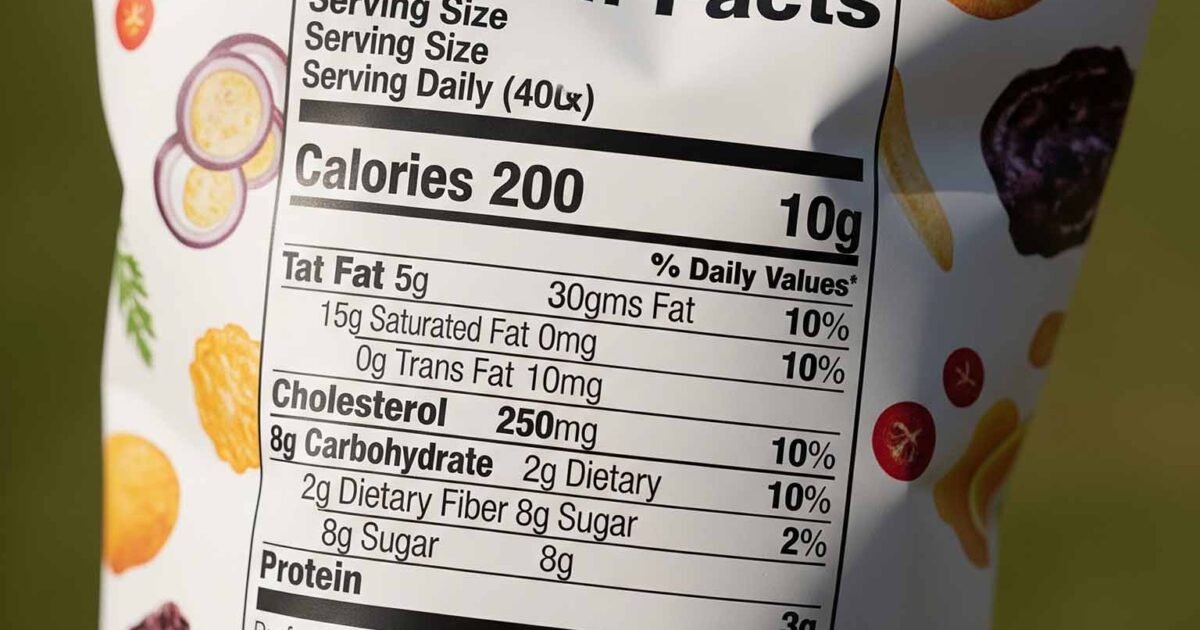
- Read food labels when comparing packaged foods.
- Focus primarily on naturally fiber-rich foods.
Who May Need Individualized Fiber Advice?
Most healthy people can safely increase fiber by eating a variety of plant foods. However, some people may need personalized advice from a healthcare professional.
This can include people with certain gastrointestinal diseases, intestinal narrowing or obstruction, swallowing difficulties, significant unexplained gastrointestinal symptoms, or medical conditions requiring a specialized diet.
Anyone experiencing persistent abdominal pain, unexplained weight loss, blood in the stool, persistent diarrhea, or severe constipation should seek appropriate medical evaluation rather than attempting to manage the symptoms solely by increasing fiber.
Frequently Asked Questions About Dietary Fiber
What is dietary fiber?
Dietary fiber is a group of nondigestible or incompletely digestible carbohydrate components found primarily in plant foods. It can influence stool bulk, digestion, gut microorganisms, blood glucose, and cholesterol depending on the type.
How much fiber should I eat each day?
A commonly used guideline is about 14 grams per 1,000 calories. For many adults, this corresponds to approximately 25 grams per day for women and 38 grams per day for men, although individual recommendations vary by age, sex, energy intake, pregnancy, and other factors.
What foods are highest in fiber?
Some of the best sources include beans, lentils, chickpeas, whole grains, vegetables, fruits, nuts, and seeds.
Is soluble or insoluble fiber better?
Neither is universally better. Soluble and insoluble fibers have different properties and functions, and many foods contain both. A varied diet provides multiple types of fiber.
Can fiber help with constipation?
Yes. Adequate fiber can help support normal bowel function and stool formation. However, increasing fiber too quickly can cause discomfort, and some people with specific gastrointestinal conditions may require individualized advice.
Can dietary fiber help lower cholesterol?
Some soluble and viscous fibers can help reduce LDL cholesterol. Oats, barley, legumes, and psyllium are examples of foods or fibers associated with cholesterol-lowering effects.
Does fiber help with weight loss?
Fiber-rich foods can increase fullness and help create a satisfying diet with relatively low energy density. This can support weight management, but fiber alone does not cause weight loss.
Can too much fiber cause problems?
Yes. Large amounts of fiber, especially when introduced suddenly, can cause gas, bloating, abdominal discomfort, and changes in bowel movements. Gradually increasing intake can improve tolerance.
Do I need a fiber supplement?
Not necessarily. Many people can obtain sufficient fiber from vegetables, fruits, legumes, whole grains, nuts, and seeds. Supplements can be useful in particular circumstances but are not automatically superior to whole foods.
Is fiber good for the gut microbiome?
Many types of fiber can be used by gut microorganisms. Fermentation can produce short-chain fatty acids and other metabolites. Different fibers can affect different microorganisms, which is one reason dietary variety is valuable.
Does meat contain dietary fiber?
No. Dietary fiber occurs primarily in plant foods. Meat, fish, poultry, and eggs do not naturally provide meaningful amounts of dietary fiber.
Conclusion
Dietary fiber is a crucial component of a healthy eating pattern. It supports normal digestive function and can contribute to healthy cholesterol levels, blood glucose regulation, satiety, cardiovascular health, and a diverse gut microbiome.
Fiber is not a single substance. Soluble, insoluble, viscous, fermentable, and resistant forms can behave differently in the digestive system and produce different physiological effects. This is why eating a wide variety of fiber-rich foods is generally more useful than focusing on a single type.
For most people, the simplest way to improve fiber intake is to eat more vegetables, fruits, beans, lentils, whole grains, nuts, and seeds. A common reference target is about 14 grams of fiber per 1,000 calories, with approximately 25 grams per day for many adult women and 38 grams for many adult men.
If your current fiber intake is low, increase it gradually and maintain adequate fluid intake. Most importantly, focus on naturally fiber-rich whole foods as part of an overall balanced and varied diet.
Sources and References
- National Institutes of Health (NIH) – Health Benefits of Dietary Fibers Vary
- NIH Office of Dietary Supplements – Nutrient Recommendations and Databases
- Dietary Guidelines for Americans – 2020–2025
- NCBI Bookshelf – The Role of Dietary Fiber in Health Promotion and Disease Prevention
- NCBI Bookshelf – Dietary Fiber
- NCBI Bookshelf – Carbohydrate Intake for Adults and Children
- NIH News in Health – Rough Up Your Diet
- NCBI/AHRQ – Fiber Intake and Laxation in People With Normal Bowel Function