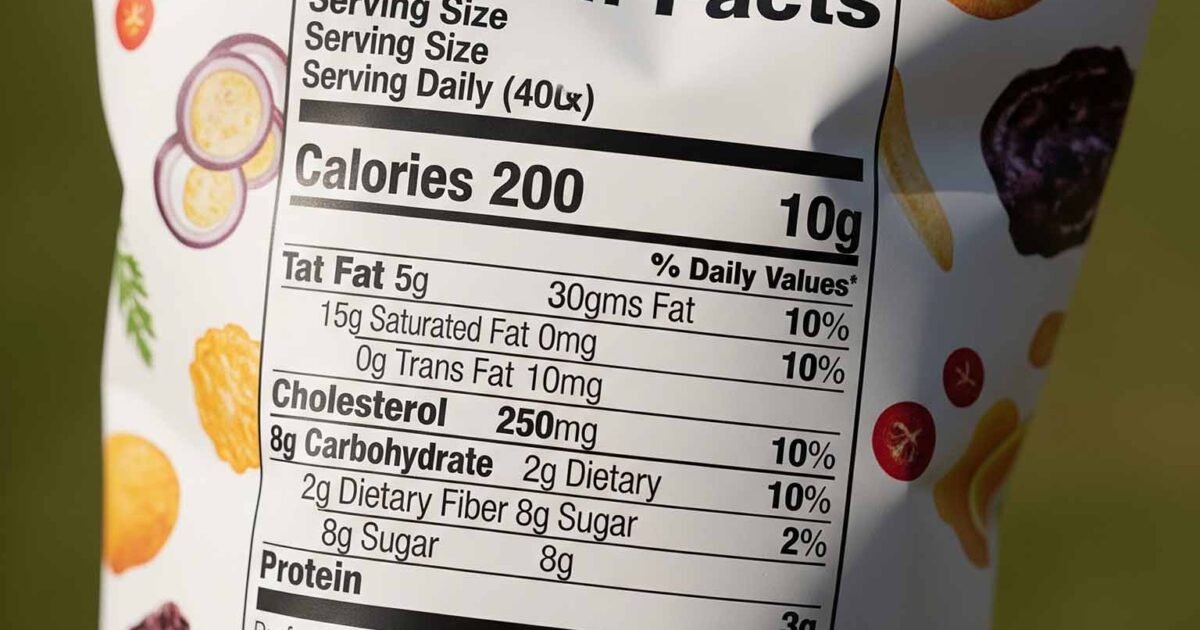
Every day, the human body performs thousands of processes that keep us alive, active, and healthy. From producing energy and repairing damaged tissues to maintaining strong bones, supporting the immune system, and regulating body temperature, these functions depend on a continuous supply of nutrients from food and water.

Essential nutrients are substances the body needs to grow, develop, maintain normal functions, and support overall health. Some nutrients provide energy, while others help regulate metabolism, build tissues, transport oxygen, and protect cells from damage.
Although nutrition textbooks traditionally classify nutrients into six major groups—carbohydrates, proteins, fats, vitamins, minerals, and water—understanding individual nutrient categories and their roles can make healthy eating easier. This guide explores 10 important nutrient categories, including essential fatty acids, essential amino acids, and dietary fiber, explaining how they support the body and where to find them in everyday foods.
Table of Contents
Whether you are learning about nutrition for the first time or looking for practical ways to improve your diet, understanding these nutrients can help you make informed food choices and reduce the risk of nutritional deficiencies.
What Are Essential Nutrients?
Essential nutrients are substances the body cannot produce at all, or cannot produce in sufficient quantities to meet its needs. They must therefore be obtained through food, beverages, or, when necessary, nutritional supplements.

In nutrition science, the six recognized classes of essential nutrients are carbohydrates, proteins, fats, vitamins, minerals, and water. However, not every individual substance within these classes is essential in the strict biochemical sense. For example, the body can manufacture certain fatty acids and amino acids, while others must come from the diet.
Dietary fiber is also an important component of a healthy diet, even though it is not classified as an essential nutrient in the traditional biochemical sense. It supports digestive health, bowel regularity, and other aspects of long-term health.
For this article, the 10 categories are organized to explain both the traditional nutrient groups and several important nutrient subgroups that deserve particular attention.
Why Does the Body Need Nutrients?
Nutrients perform different but interconnected functions in the human body. Their importance extends beyond simply providing calories.
- Energy production: Carbohydrates and fats provide energy, while proteins can also be used for energy when necessary.
- Growth and tissue repair: Proteins, fats, minerals, and other nutrients support the development and maintenance of muscles, organs, skin, and bones.
- Metabolism: Vitamins and minerals help enzymes carry out chemical reactions involved in energy production and other bodily processes.
- Immune defense: Adequate nutrition supports normal immune system function and the body’s ability to respond to infections.
- Fluid balance: Water and electrolytes help maintain the body’s fluid levels and normal cellular function.
- Digestive health: Dietary fiber supports bowel regularity and helps maintain a healthy digestive system.

The 10 Essential Nutrients and Important Nutrient Categories
The following sections explain the functions, food sources, and health importance of 10 key nutrient categories.
1. Carbohydrates: The Body’s Main Energy Source
Carbohydrates are one of the three major macronutrients, alongside proteins and fats. They provide approximately 4 calories per gram and serve as an important source of energy for the brain, muscles, and other tissues.
When carbohydrates are consumed, the digestive system breaks down many of them into simple sugars, particularly glucose. Glucose enters the bloodstream and can be used by cells to produce energy. Excess glucose can be stored as glycogen in the liver and muscles for later use.
Functions of Carbohydrates
- Provide energy for physical activity and daily bodily functions.
- Supply glucose, which is an important fuel for the brain under normal dietary conditions.
- Help maintain glycogen stores in the liver and muscles.
- Spare protein from being used as an energy source when sufficient energy is available.
Types of Carbohydrates
Carbohydrates can be divided into several groups according to their chemical structure and how the body digests them.
Simple carbohydrates: These include sugars such as glucose, fructose, and sucrose. They are naturally present in fruits and milk and may also be added to foods and beverages.
Complex carbohydrates: These include starches found in foods such as rice, potatoes, maize, oats, and other grains. Their digestion and effects on blood glucose depend on factors such as processing, fiber content, and the overall meal.
Fiber-containing carbohydrates: These include components of plant foods that resist digestion in the small intestine and support digestive health.
Best Food Sources of Carbohydrates
- Whole grains, such as oats, brown rice, and whole-wheat bread.
- Starchy foods, such as potatoes, sweet potatoes, cassava, and maize.
- Fruits, including bananas, oranges, mangoes, and apples.
- Legumes, such as beans, peas, and lentils.
For a balanced diet, emphasize minimally processed carbohydrate sources that provide fiber, vitamins, and minerals. Limit excessive consumption of sugary drinks and foods high in added sugars.
2. Proteins: Essential for Growth and Tissue Repair
Protein is a major macronutrient required for building and maintaining muscles, skin, organs, and other body tissues. It provides approximately 4 calories per gram and is made up of smaller compounds called amino acids.
The body uses amino acids to synthesize proteins that perform structural, regulatory, and functional roles. Proteins are involved in the production of enzymes, hormones, antibodies, and transport molecules.
Functions of Protein
- Builds and repairs muscles and other body tissues.
- Supports the production of enzymes involved in digestion and metabolism.
- Contributes to the formation of antibodies and normal immune function.
- Helps maintain fluid balance through proteins such as albumin.
- Supports the production of certain hormones and transport proteins.
Essential Amino Acids
Proteins are composed of 20 commonly used amino acids. Nine are considered essential for adults because the body cannot synthesize them in sufficient amounts. These are histidine, isoleucine, leucine, lysine, methionine, phenylalanine, threonine, tryptophan, and valine.
Essential amino acids must be supplied through the diet. Foods such as eggs, dairy products, fish, meat, soy, and combinations of plant proteins can help meet these requirements.
Best Food Sources of Protein
- Eggs, fish, poultry, and lean meat.
- Milk, yogurt, and other dairy products.
- Beans, lentils, chickpeas, and peas.
- Soybeans, tofu, groundnuts, nuts, and seeds.
Protein requirements vary with age, body size, activity level, pregnancy, and health status. Eating a variety of protein-rich foods throughout the day can help support normal growth and tissue maintenance.
3. Fats: Concentrated Energy and Cell Protection
Fats are an important source of energy, providing approximately 9 calories per gram. They support cell structure, hormone production, nutrient absorption, and the protection of internal organs.
Dietary fat also helps the body absorb the fat-soluble vitamins A, D, E, and K. Without sufficient dietary fat, the absorption of these vitamins may be impaired.
Functions of Fats
- Provide concentrated energy for the body.
- Form important components of cell membranes.
- Help absorb fat-soluble vitamins.
- Support the production of certain signaling molecules and hormones.
- Provide insulation and help protect internal organs.
Types of Dietary Fats
Unsaturated fats: These include monounsaturated and polyunsaturated fats, which are found in foods such as avocados, nuts, seeds, vegetable oils, and oily fish. Replacing some saturated fats with unsaturated fats can support cardiovascular health.
Saturated fats: These are found in foods such as butter, fatty meat, coconut oil, and some dairy products. Excessive intake, particularly when it replaces unsaturated fats, can increase LDL cholesterol in the blood.
Trans fats: Industrially produced trans fats are associated with increased cardiovascular risk. Their consumption should be minimized as much as possible.
Essential Fatty Acids
Two fatty acids are essential in the human diet: linoleic acid, an omega-6 fatty acid, and alpha-linolenic acid, an omega-3 fatty acid.
The body cannot produce these fatty acids in sufficient amounts, so they must be obtained from food. They contribute to cell membrane structure, normal growth, and the production of important signaling molecules.
Long-chain omega-3 fatty acids, particularly EPA and DHA, also support normal brain and eye function. The body can produce limited amounts of these from alpha-linolenic acid, but conversion is relatively inefficient.
Best Food Sources of Healthy Fats
- Avocados, groundnuts, almonds, and other nuts.
- Sunflower, olive, soybean, and other vegetable oils.
- Chia seeds, flaxseeds, and other seeds.
- Sardines, salmon, mackerel, and other oily fish.
A healthy eating pattern includes moderate amounts of fats, emphasizing unsaturated sources while limiting excessive saturated fats and avoiding industrial trans fats.
4. Water: Essential for Life and Hydration
Water is an essential nutrient that the body needs for survival. It makes up a substantial proportion of body weight and is required for nearly every major physiological process.
Water helps transport nutrients, regulate body temperature, remove waste products, lubricate joints, and maintain blood volume.
Functions of Water
- Regulates body temperature through sweating and heat loss.
- Transports nutrients, oxygen, and waste products throughout the body.
- Supports digestion and helps maintain normal bowel function.
- Maintains blood volume and normal circulation.
- Lubricates joints and helps protect sensitive tissues.
How Much Water Does the Body Need?
Water requirements vary depending on age, body size, physical activity, climate, pregnancy, breastfeeding, and health conditions.
People living in hot climates or engaging in strenuous physical activity may need more fluids because they lose additional water through sweating.
Water can be obtained from drinking water, other beverages, and foods with high water content, including fruits and vegetables.
Signs of dehydration may include thirst, dark-colored urine, dizziness, dry mouth, and reduced urination. Severe dehydration requires urgent medical attention.
Healthy Hydration Habits
- Drink water regularly throughout the day.
- Increase fluid intake during hot weather and physical activity.
- Include water-rich foods such as watermelon, oranges, cucumbers, and tomatoes.
- Pay attention to thirst and individual fluid needs.
- Limit excessive consumption of sugary beverages.
There is no single fluid intake target that is appropriate for everyone. People with certain heart or kidney conditions may need individualized fluid guidance from their healthcare providers.
5. Vitamins: Nutrients That Regulate Body Functions
Vitamins are organic compounds required in small amounts to support growth, metabolism, immunity, and normal physiological functions.
Most vitamins cannot be produced by the body in sufficient quantities, making dietary intake necessary. Vitamins do not provide calories, but they help the body use energy from carbohydrates, fats, and proteins.
The 13 Essential Vitamins
The 13 recognized vitamins are divided into two main groups.
Fat-soluble vitamins: Vitamins A, D, E, and K. These dissolve in fat and can be stored in the body.
Water-soluble vitamins: Vitamin C and the eight B vitamins. These generally require more regular dietary intake, although vitamin B12 can be stored in the liver for extended periods.
Functions of Important Vitamins
| Vitamin | Main Function | Food Sources |
|---|---|---|
| Vitamin A | Vision, immunity, and healthy tissues. | Carrots, liver, spinach. |
| Vitamin B1 | Energy metabolism and nerve function. | Whole grains, pork, beans. |
| Vitamin B2 | Energy metabolism and cell function. | Milk, eggs, meat. |
| Vitamin B3 | Cellular energy production. | Fish, poultry, peanuts. |
| Vitamin B5 | Fat and carbohydrate metabolism. | Eggs, meat, legumes. |
| Vitamin B6 | Protein metabolism and nervous system function. | Fish, potatoes, bananas. |
| Vitamin B7 | Metabolism of fats and carbohydrates. | Eggs, nuts, seeds. |
| Vitamin B9 | DNA synthesis and red blood cell formation. | Leafy vegetables, beans, lentils. |
| Vitamin B12 | Red blood cell formation and nerve function. | Meat, fish, eggs, fortified foods. |
| Vitamin C | Collagen formation, wound healing, and iron absorption. | Guavas, citrus fruits, peppers. |
| Vitamin D | Calcium absorption and bone health. | Oily fish, eggs, fortified foods. |
| Vitamin E | Antioxidant protection of cell membranes. | Nuts, seeds, vegetable oils. |
| Vitamin K | Blood clotting and bone metabolism. | Spinach, kale, broccoli. |
What Happens When You Do Not Get Enough Vitamins?
Inadequate vitamin intake can lead to specific deficiency disorders.
- Vitamin A deficiency can cause night blindness and other vision problems.
- Vitamin C deficiency can cause scurvy, which affects connective tissues and wound healing.
- Vitamin D deficiency can contribute to rickets in children and osteomalacia in adults.
- Vitamin B12 deficiency can cause anemia and neurological complications.
- Folate deficiency can cause megaloblastic anemia and is particularly concerning during early pregnancy.
A varied diet containing fruits, vegetables, whole grains, legumes, dairy products, and appropriate animal-source or fortified foods helps provide many essential vitamins.
6. Minerals: Building Blocks for Strong Bones and Healthy Body Functions
Minerals are inorganic elements that support bone formation, fluid balance, nerve signaling, muscle contraction, oxygen transport, and enzyme activity.
Unlike vitamins, minerals are not destroyed by heat during cooking, although some may be lost when foods are washed, processed, or cooked in water that is discarded.
Major Minerals
Major minerals are required in relatively larger amounts. They include calcium, phosphorus, magnesium, sodium, potassium, chloride, and sulfur.
| Mineral | Primary Function | Food Sources |
|---|---|---|
| Calcium | Bone development, muscle contraction, and blood clotting. | Dairy, sardines, fortified foods. |
| Phosphorus | Bone structure and energy transfer. | Meat, dairy, legumes. |
| Magnesium | Muscle and nerve function, enzyme activity. | Nuts, seeds, beans, leafy greens. |
| Sodium | Fluid balance and nerve impulses. | Salt and many foods. |
| Potassium | Muscle contraction, fluid balance, and blood pressure regulation. | Beans, potatoes, bananas. |
| Chloride | Fluid balance and stomach acid production. | Table salt and foods containing salt. |
Trace Minerals
Trace minerals are required in smaller amounts but are equally important for normal health.
- Iron: Helps transport oxygen in the blood and supports energy metabolism. Sources include meat, beans, lentils, and fortified cereals.
- Zinc: Supports immunity, wound healing, and growth. Sources include meat, seafood, legumes, nuts, and seeds.
- Iodine: Required for thyroid hormone production. Sources include iodized salt, seafood, and dairy products.
- Selenium: Supports antioxidant enzymes and thyroid hormone metabolism. Sources include fish, eggs, and meat.
- Copper: Supports iron metabolism, connective tissue formation, and nervous system function. Sources include nuts, seeds, and shellfish.
- Manganese: Supports enzyme activity, bone formation, and metabolism. Sources include whole grains, nuts, and legumes.
- Fluoride: Helps strengthen tooth enamel and reduce dental cavities. Sources include fluoridated water and certain foods.
- Molybdenum: Supports enzymes involved in the metabolism of certain compounds. Sources include legumes, grains, and nuts.
A balanced diet containing a variety of nutrient-dense foods generally helps provide the minerals needed for normal physiological function.
7. Dietary Fiber: Supporting Digestive and Gut Health
Dietary fiber consists of carbohydrates and related plant components that are not completely digested or absorbed in the small intestine.
Although fiber is not classified as an essential nutrient in the traditional biochemical sense, it is an important part of a healthy diet. Adequate fiber intake supports bowel regularity, digestive health, and overall diet quality.
Types of Dietary Fiber
Soluble fiber: This type dissolves in water and can form a gel-like substance in the digestive tract. Certain soluble fibers help lower LDL cholesterol and slow the absorption of glucose.
Insoluble fiber: This type helps add bulk to stool and supports regular bowel movements.
Many plant foods contain a mixture of both soluble and insoluble fiber.
Health Benefits of Dietary Fiber
- Supports regular bowel movements and helps prevent constipation.
- Helps maintain healthy cholesterol levels when certain soluble fibers are consumed regularly.
- Can support blood glucose management by slowing the absorption of carbohydrates.
- Promotes fullness and may help with healthy weight management.
- Provides fermentable material that beneficial gut microorganisms can use.
Best Food Sources of Fiber
- Beans, lentils, chickpeas, and peas.
- Whole grains, oats, and whole-wheat foods.
- Fruits such as guavas, apples, pears, and oranges.
- Vegetables such as carrots, broccoli, and leafy greens.
- Nuts and seeds, including chia and flaxseeds.
Increase fiber intake gradually and drink sufficient fluids to help reduce digestive discomfort. Individual fiber needs vary depending on age, sex, and energy requirements.
8. Essential Amino Acids: The Building Blocks of Protein
Amino acids are the smaller units that combine to form proteins. Although protein is traditionally counted as one of the six major nutrient classes, essential amino acids deserve particular attention because the body cannot produce them in sufficient amounts.
Nine amino acids are essential for adults: histidine, isoleucine, leucine, lysine, methionine, phenylalanine, threonine, tryptophan, and valine.
Why Are Essential Amino Acids Important?
- Support the formation and repair of muscles and other tissues.
- Contribute to the production of enzymes and hormones.
- Support normal growth and development.
- Help maintain the body’s protein balance.
Leucine, isoleucine, and valine are known as branched-chain amino acids. They participate in muscle protein metabolism and can be used as an energy source during certain conditions.
Tryptophan is used to produce serotonin and melatonin, while phenylalanine can be converted into tyrosine, which is involved in the production of several important compounds.
Foods That Provide Essential Amino Acids
- Eggs, milk, yogurt, fish, and meat.
- Soybeans, tofu, and other soy products.
- Beans, lentils, peas, and other legumes.
- Grains, nuts, and seeds as part of a varied diet.
Many animal-source foods and soy provide all nine essential amino acids in adequate proportions. People following plant-based diets can meet their amino acid requirements by eating a variety of protein-rich plant foods throughout the day.
It is not necessary to combine specific plant proteins at every meal. Consuming adequate amounts and a variety of protein sources over the course of the day is generally sufficient for healthy adults.
9. Essential Fatty Acids: Supporting Cells, Brain, and Heart Health
Essential fatty acids are specific types of polyunsaturated fats that the human body cannot manufacture in sufficient amounts. They must be obtained from food.
The two essential fatty acids are linoleic acid, an omega-6 fatty acid, and alpha-linolenic acid, an omega-3 fatty acid.
Functions of Essential Fatty Acids
- Help maintain the structure and flexibility of cell membranes.
- Support normal growth and development.
- Contribute to the production of signaling molecules involved in inflammation and other biological processes.
- Support normal skin function and overall cellular health.
Omega-3 fatty acids EPA and DHA are particularly important for normal brain and eye function. DHA is a structural component of the brain and retina.
Food Sources of Essential Fatty Acids
| Fatty Acid | Food Sources |
|---|---|
| Linoleic acid (Omega-6) | Sunflower oil, soybean oil, groundnuts, and seeds. |
| Alpha-linolenic acid (Omega-3) | Flaxseeds, chia seeds, walnuts, and soybean oil. |
| EPA and DHA (Long-chain Omega-3) | Sardines, salmon, mackerel, and other oily fish. |
Eating a variety of nuts, seeds, vegetable oils, and fish can help provide essential fatty acids. People who do not eat fish may consider discussing suitable sources of EPA and DHA, such as algae-derived products, with a qualified healthcare professional if needed.
10. Electrolytes: Maintaining Fluid Balance and Nerve Function
Electrolytes are minerals that carry an electrical charge when dissolved in body fluids. They are essential for maintaining fluid balance, nerve signaling, muscle contraction, and the body’s acid-base balance.
The major electrolytes include sodium, potassium, chloride, calcium, magnesium, and phosphate.
Although electrolytes overlap with the mineral category, they are discussed separately here because of their important role in hydration and the regulation of body fluids.
Functions of Electrolytes
- Maintain fluid distribution inside and outside cells.
- Support electrical impulses in nerves.
- Help muscles contract and relax normally.
- Contribute to normal heart rhythm.
- Help regulate the body’s acid-base balance.
Important Electrolytes and Their Food Sources
Sodium and chloride: Found in salt and many foods. They help maintain fluid balance and normal nerve and muscle function.
Potassium: Found in beans, potatoes, bananas, and vegetables. It supports muscle contraction and normal blood pressure regulation.
Calcium: Found in dairy products, fortified foods, and certain fish. It supports muscle contraction, nerve signaling, and blood clotting.
Magnesium: Found in nuts, seeds, legumes, and whole grains. It contributes to muscle function, nerve activity, and numerous enzyme reactions.
Electrolytes and Hydration
During prolonged exercise, heavy sweating, vomiting, or diarrhea, the body can lose water and electrolytes. Replacing fluids and, when appropriate, electrolytes helps restore normal fluid balance.
For everyday activities, most healthy people can maintain electrolyte balance through a normal diet and adequate fluid intake.
Sports drinks and electrolyte products are not necessary for everyone. Their usefulness depends on exercise duration, intensity, heat exposure, and the amount of fluid and salt lost.
Severe electrolyte imbalances can be dangerous and require medical evaluation. People with kidney disease or certain heart conditions should seek individualized guidance before using electrolyte supplements.
How to Build a Balanced Diet That Provides Essential Nutrients
Understanding essential nutrients is useful, but applying that knowledge to daily meals is what makes the biggest practical difference.
A balanced diet does not require expensive foods, complicated recipes, or supplements for every nutrient. It focuses on dietary variety, adequate portions, and foods that supply a broad range of nutrients.
1. Include Different Food Groups
Try to include a combination of fruits, vegetables, whole grains or other staple foods, protein-rich foods, and healthy fat sources throughout the day.
For example, a meal containing rice, beans, leafy vegetables, and a small amount of vegetable oil can provide carbohydrates, protein, fiber, minerals, and essential fatty acids.
2. Choose Nutrient-Dense Foods
Nutrient-dense foods provide vitamins, minerals, protein, fiber, or other beneficial nutrients relative to their energy content.
Examples include legumes, eggs, vegetables, fruits, fish, whole grains, and unsweetened dairy products.
3. Eat a Variety of Plant Foods
Different plant foods contain different combinations of vitamins, minerals, fiber, and other beneficial compounds.
Eating a variety of fruits, vegetables, legumes, nuts, and whole grains can help provide a broader range of nutrients than relying on only a few foods.
4. Maintain Adequate Protein and Healthy Fat Intake
Include suitable protein sources in regular meals and use moderate amounts of unsaturated fats from foods such as groundnuts, seeds, avocados, vegetable oils, and fish.
These foods provide essential amino acids, essential fatty acids, and other nutrients that support growth, tissue maintenance, and normal cellular function.
5. Stay Hydrated
Drink water regularly and adjust your fluid intake according to activity level, weather, and individual needs.
In hot climates, including regions of Tanzania and other parts of East Africa, adequate hydration is particularly important during outdoor work, exercise, and periods of high temperatures.
Common Nutritional Deficiencies and Their Effects
When the body does not receive enough of a particular nutrient, a nutritional deficiency may develop. The effects depend on the nutrient, the severity of the deficiency, and how long the inadequate intake continues.
| Nutrient | Possible Consequences of Deficiency |
|---|---|
| Iron | Iron deficiency anemia, fatigue, weakness, and reduced exercise tolerance. |
| Vitamin A | Night blindness and impaired vision. |
| Vitamin D | Rickets in children and osteomalacia in adults. |
| Vitamin B12 | Anemia, numbness, tingling, and neurological complications. |
| Vitamin C | Scurvy, bleeding gums, and poor wound healing. |
| Iodine | Goiter and impaired thyroid function. |
| Calcium | Reduced bone health and increased risk of bone problems over time. |
| Protein and energy | Muscle wasting, impaired growth, and protein-energy malnutrition. |
| Water | Dehydration, dizziness, and impaired physical function. |
Symptoms such as fatigue, weakness, hair loss, or dizziness can have many causes and should not automatically be attributed to nutritional deficiencies.
If you suspect a deficiency, consult a healthcare professional. Depending on your symptoms and circumstances, they may recommend dietary assessment, blood tests, or other investigations before recommending treatment.
Frequently Asked Questions About Essential Nutrients
What are the six essential nutrients?
The six traditional classes of essential nutrients are carbohydrates, proteins, fats, vitamins, minerals, and water. Each group performs different functions, from providing energy and building tissues to regulating metabolism and maintaining fluid balance.
Why are nutrients important for the human body?
Nutrients provide energy, support growth and tissue repair, regulate biological processes, maintain immune function, and help keep organs and body systems functioning properly. Inadequate intake can interfere with these processes and contribute to nutritional deficiencies.
What are the most important nutrients for daily health?
All essential nutrients are important, and no single nutrient can replace the functions of another. A balanced diet should provide adequate carbohydrates, protein, essential fats, vitamins, minerals, and water, alongside sufficient dietary fiber.
Can the body produce essential nutrients?
The body can produce some nutrients but cannot manufacture all essential nutrients in sufficient amounts. Essential amino acids, essential fatty acids, most vitamins, and certain minerals must be obtained through the diet. Water must also be consumed regularly to replace losses.
Can you get all essential nutrients from food?
Many healthy people can meet their nutritional needs through a varied and balanced diet. However, people with certain medical conditions, restrictive diets, or increased nutritional requirements may need fortified foods or supplements under appropriate professional guidance.
What happens if you do not consume enough essential nutrients?
Inadequate intake can cause nutritional deficiencies, reduced energy levels, impaired growth, weakened immune function, and other health complications. The effects depend on the nutrient involved and the severity and duration of the deficiency.
Are dietary supplements necessary for everyone?
No. Supplements are not automatically necessary for everyone who eats a balanced diet. They can be useful when a deficiency is diagnosed, when dietary intake is inadequate, or when specific life stages or medical conditions increase nutritional requirements.
What is the difference between nutrients and calories?
Calories measure the energy supplied by food. Carbohydrates, proteins, and fats provide energy, while vitamins and minerals do not provide calories. Water also provides no calories but is essential for life. A food can be high in calories while providing relatively few vitamins and minerals.
Conclusion
The human body depends on a wide range of nutrients to maintain health, support growth, and perform essential biological functions. Carbohydrates, proteins, and fats provide energy and structural components, while vitamins and minerals help regulate metabolism, maintain bones, support immunity, and protect tissues.
Water is essential for hydration and nearly every bodily process, while dietary fiber supports digestive health. Essential amino acids and essential fatty acids provide specific building blocks that the body cannot produce in sufficient quantities. Electrolytes help maintain fluid balance, nerve signaling, and normal muscle function.
Although these 10 nutrient categories have been discussed separately, they work together. A deficiency or imbalance in one area can affect other processes throughout the body.
The most practical approach to meeting nutritional needs is to eat a varied diet that includes fruits, vegetables, whole grains, legumes, suitable protein sources, healthy fats, and adequate water. Individual needs vary, so people with medical conditions, suspected deficiencies, or special nutritional requirements should seek professional advice.
By understanding essential nutrients and making informed food choices, you can build healthier eating habits that support long-term well-being.
Sources and Further Reading
The following authoritative organizations provide additional information on essential nutrients, dietary recommendations, and healthy eating:
- World Health Organization (WHO): Healthy Diet
- World Health Organization: Micronutrients
- National Institutes of Health: Vitamins and Minerals Fact Sheets
- USDA: Human Nutrition and Food Safety
- Food and Agriculture Organization of the United Nations: Nutrition
Disclaimer: This article is intended for educational purposes only and does not replace professional medical advice, diagnosis, or treatment. Nutrient requirements vary between individuals. Consult a qualified healthcare professional or registered dietitian for personalized dietary guidance or suspected nutritional deficiencies.